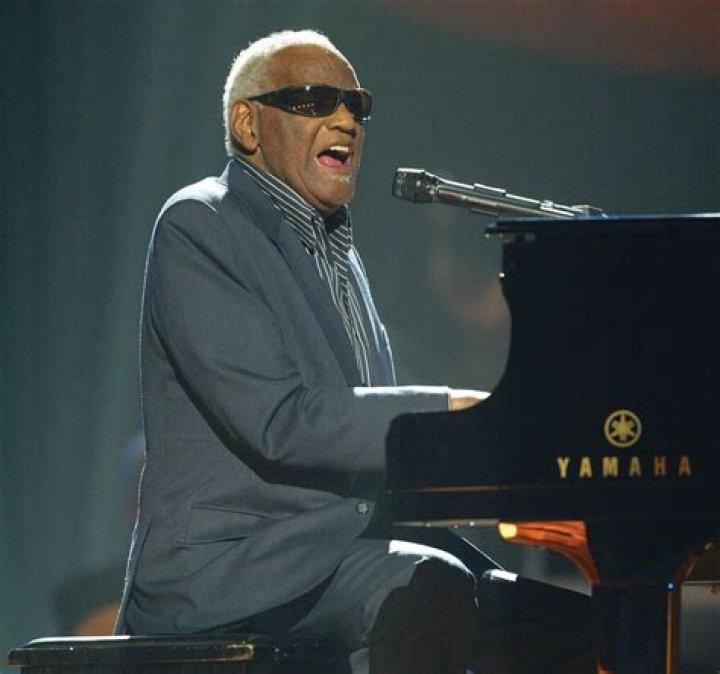
Ray Charles, the name synonymous with soulful music, is an icon who left an indelible mark on the world of rhythm and blues. Born with a remarkable talent, Charles transcended genres and became a pioneer in the music industry. His contributions to music are unmatched, and his legacy continues to inspire generations of musicians worldwide.
From his early days as a blind child in Greenville, Florida, Ray Charles demonstrated an extraordinary ability to connect with music. His journey from obscurity to becoming a global sensation is nothing short of inspirational. Overcoming personal challenges, he became a symbol of resilience and determination.
As we delve deeper into the life and career of Ray Charles, it becomes evident that his impact extends beyond music. His ability to blend genres like gospel, jazz, and blues created a unique sound that resonated with audiences across the globe. In this article, we will explore his life, achievements, and the lasting influence he has had on the music industry.
Biography of Ray Charles
Basic Information
Before diving into the details of Ray Charles' life, let's take a look at some key facts about this legendary musician:
| Full Name | Ray Charles Robinson |
|---|---|
| Birth Date | September 23, 1930 |
| Place of Birth | Albany, Georgia |
| Date of Death | June 10, 2004 |
| Occupation | Singer, Pianist, Composer |
| Genres | Soul, Blues, Jazz, Gospel, R&B |
Ray Charles' life was marked by both triumphs and struggles, making him one of the most fascinating figures in music history. His ability to overcome adversity and create timeless music has earned him a place in the hearts of millions.
Early Life and Background
Ray Charles was born on September 23, 1930, in Albany, Georgia. His family later moved to Greenville, Florida, where he spent much of his childhood. Tragedy struck early in his life when he lost his sight at the age of seven due to glaucoma. Despite this setback, Charles showed an early interest in music and began learning to play the piano.
His mother, Aretha Robinson, played a pivotal role in shaping his character and encouraging his musical aspirations. She instilled in him a sense of independence and resilience, traits that would later define his career. Charles attended the Florida School for the Deaf and Blind, where he received formal music training and developed his skills as a pianist and composer.
Musical Career
Early Beginnings
Ray Charles' musical career began in the late 1940s when he started performing in nightclubs across the southeastern United States. His unique style, characterized by a blend of gospel, blues, and jazz, quickly gained attention. He signed his first recording contract with Swingtime Records in 1952, which marked the beginning of his professional journey.
Hit Records
Charles' breakthrough came with the release of "I Got a Woman" in 1954, a song that became a defining moment in the development of soul music. Over the years, he released numerous hit records, including "What'd I Say," "Georgia on My Mind," and "Hit the Road Jack." His ability to create soulful melodies and heartfelt lyrics resonated with audiences worldwide.
Breakthrough and Fame
Ray Charles' rise to fame was meteoric, and he soon became one of the most recognizable names in the music industry. His performances were electrifying, and his music transcended racial barriers during a time of segregation in the United States. He was a trailblazer who paved the way for future artists by breaking down barriers and challenging conventions.
Throughout the 1960s and 1970s, Charles continued to release chart-topping albums and singles. His collaborations with other artists, such as Aretha Franklin and Quincy Jones, further cemented his status as a musical legend.
Blending Genres: A Ray Charles Specialty
One of Ray Charles' most significant contributions to music was his ability to blend genres seamlessly. He combined elements of gospel, blues, jazz, and country to create a sound that was uniquely his own. This genre-blending approach influenced countless artists and helped shape the evolution of popular music.
- Gospel: Charles' deep-rooted connection to gospel music added a spiritual dimension to his work.
- Blues: His blues influences were evident in his soulful vocals and emotive performances.
- Jazz: Incorporating jazz elements into his music allowed him to experiment with complex arrangements.
- Country: His 1962 album "Modern Sounds in Country and Western Music" showcased his versatility and expanded his audience.
Legacy and Influence
Ray Charles' legacy is one of innovation and inspiration. He broke down barriers in the music industry and paved the way for future generations of musicians. His influence can be seen in the work of artists like Stevie Wonder, Alicia Keys, and Bruno Mars, who have cited him as a major influence.
In 2003, Ray Charles was inducted into the Blues Hall of Fame, further recognizing his contributions to the genre. His music continues to be celebrated and studied by music scholars and enthusiasts alike.
Personal Life and Challenges
Despite his success, Ray Charles faced numerous personal challenges throughout his life. His battle with drug addiction in the 1960s was a well-documented struggle, but he eventually overcame it and became an advocate for rehabilitation programs. His personal life was also marked by several marriages and children, adding to the complexity of his character.
Awards and Recognition
Ray Charles received numerous awards and honors during his lifetime, recognizing his contributions to music and culture. Some of his most notable achievements include:
- Induction into the Rock and Roll Hall of Fame (1986)
- Recipient of 12 Grammy Awards
- Presidential Medal of Freedom (1993)
- National Medal of Arts (1993)
These accolades underscore his lasting impact on the music industry and his status as a cultural icon.
Famous Quotes by Ray Charles
Ray Charles was known not only for his music but also for his insightful and inspiring quotes. Here are some of his most memorable statements:
- "I don't care too much for money. It can't buy me the kind of satisfaction I get from making music."
- "Music is the great uniter. An incredible force. Something that people who differ on everything and anything else can have in common."
- "I was blind, but I had vision."
Conclusion
Ray Charles remains one of the most influential figures in the history of music. His ability to transcend genres and create timeless melodies has left an indelible mark on the industry. From his humble beginnings in Greenville, Florida, to becoming a global sensation, Charles' journey is a testament to the power of perseverance and creativity.
We invite you to share your thoughts on Ray Charles' life and music in the comments below. Feel free to explore other articles on our site that celebrate the lives of legendary musicians. Together, let's keep the legacy of Ray Charles alive and inspire future generations to pursue their dreams.
For further reading, consider exploring sources such as Biography.com and Rolling Stone, which provide additional insights into his life and career.