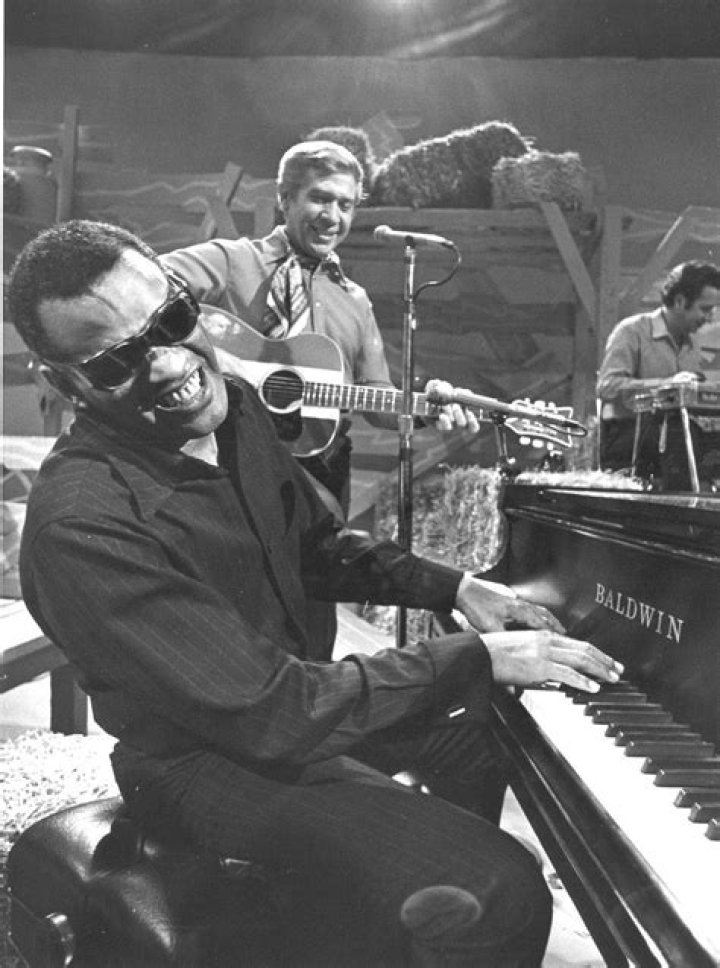
Ray Charles is a name that echoes through the corridors of music history, a legendary figure whose contributions have left an indelible mark on the industry. Known for his soulful voice and unparalleled musicianship, Ray Charles remains an iconic figure in the world of rhythm and blues, jazz, and soul music. His work transcends genres, inspiring countless artists and captivating audiences worldwide.
Born into humble beginnings, Ray Charles rose to prominence through sheer talent and perseverance. His unique sound, blending gospel, jazz, and blues, created a new genre that came to be known as soul music. This innovative approach not only redefined the music landscape but also broke racial barriers in the industry during a tumultuous time in American history.
Today, Ray Charles continues to be celebrated as one of the most influential musicians of all time. His legacy lives on through his timeless music, which continues to resonate with both old and new generations. In this article, we will delve into the life, career, and lasting impact of Ray Charles, exploring what made him a true musical legend.
Biography
Early Life and Background
Ray Charles Robinson was born on September 23, 1930, in Albany, Georgia. From an early age, Charles faced numerous challenges, including the loss of his younger brother and the onset of blindness due to glaucoma by the age of seven. Despite these adversities, his passion for music remained unwavering. Charles attended the Florida School for the Deaf and Blind, where he learned to play various instruments, including piano, organ, saxophone, and trumpet.
Here is a summary of his early life:
| Born | September 23, 1930 |
|---|---|
| Place of Birth | Albany, Georgia, USA |
| Blindness | Lost vision completely by age 7 |
| Education | Florida School for the Deaf and Blind |
| Profession | Singer, Pianist, Composer |
Musical Career
Ray Charles embarked on his musical career in the early 1950s, initially performing in small clubs and bars in the Southeast. His breakthrough came with the release of "I Got a Woman" in 1954, a song that combined gospel and blues elements, setting the stage for the soul music genre. Over the years, Charles released numerous hit songs, including "What'd I Say," "Georgia on My Mind," and "Hit the Road Jack," earning him widespread acclaim.
Ray Charles and the Birth of Soul Music
Ray Charles is often credited with pioneering soul music, a genre that combines elements of gospel, rhythm and blues, and jazz. His ability to blend these styles seamlessly created a sound that resonated deeply with audiences. Songs like "What'd I Say" exemplify this fusion, showcasing Charles' powerful voice and innovative arrangements.
According to music historian Robert Palmer, "Ray Charles' music was revolutionary in its combination of sacred and secular themes, paving the way for future artists." This groundbreaking approach not only defined his career but also inspired a new generation of musicians.
Musical Influences and Legacy
Ray Charles' music was influenced by a variety of genres and artists. Growing up, he was inspired by jazz legends like Art Tatum and gospel singers such as Mahalia Jackson. These influences are evident in his work, where he often incorporated elements of jazz improvisation and gospel fervor into his performances.
His legacy extends beyond music, as he became a symbol of resilience and perseverance. Charles' ability to overcome personal challenges and achieve success in a racially segregated society serves as an inspiration to many. Today, his influence can be heard in the works of contemporary artists across multiple genres.
Awards and Recognition
Throughout his career, Ray Charles received numerous accolades for his contributions to music. Some of his notable awards include:
- 18 Grammy Awards
- Induction into the Rock and Roll Hall of Fame in 1986
- Presidential Medal of Freedom in 2003
- Grammy Lifetime Achievement Award in 1987
These honors reflect the immense respect and admiration he garnered from both peers and fans alike. His induction into the Rock and Roll Hall of Fame highlights his role as a foundational figure in the development of modern music.
The Ray Charles Movie
Background and Impact
In 2004, the biographical film "Ray" was released, chronicling the life and career of Ray Charles. Directed by Taylor Hackford and starring Jamie Foxx as Ray Charles, the movie received critical acclaim and numerous awards, including an Academy Award for Best Actor for Foxx's portrayal.
The film not only brought renewed attention to Charles' music but also shed light on his struggles with addiction and the racial barriers he faced in the music industry. It serves as a testament to his enduring legacy and the impact he had on the world of music.
Health Challenges and Resilience
Throughout his life, Ray Charles faced numerous health challenges, including addiction issues and chronic health conditions. Despite these obstacles, he demonstrated remarkable resilience, continuing to perform and record music until his later years. His battle with drug addiction in the 1960s became public, but he successfully overcame it, becoming an advocate for rehabilitation programs.
Charles' ability to overcome these challenges and maintain his artistic integrity is a testament to his strength and determination. His story serves as an inspiration to those facing similar struggles, emphasizing the importance of perseverance and recovery.
Personal Life and Family
Ray Charles' personal life was as complex as his music. He was married twice and had twelve children with various partners. Despite the challenges of balancing family and career, Charles remained committed to his craft, often touring extensively to support his family.
His second wife, Della Bea Robinson, played a significant role in his life, providing support during his recovery from addiction and remaining a constant presence throughout his career. Their relationship highlights the importance of familial support in overcoming personal challenges.
Ray Charles' Impact on Music and Society
Ray Charles' impact on music and society cannot be overstated. His innovative approach to blending genres created a new sound that influenced countless artists across various musical styles. Beyond his contributions to music, Charles also played a pivotal role in breaking racial barriers in the industry, paving the way for future African American artists.
In conclusion, Ray Charles remains a towering figure in the world of music, whose legacy continues to inspire and influence new generations. His music transcends time and genre, resonating with audiences worldwide. We invite you to explore more about this legendary artist by reading related articles or sharing your thoughts in the comments below.
Feel free to share this article with friends and family, and don't forget to check out our other content on music legends!



