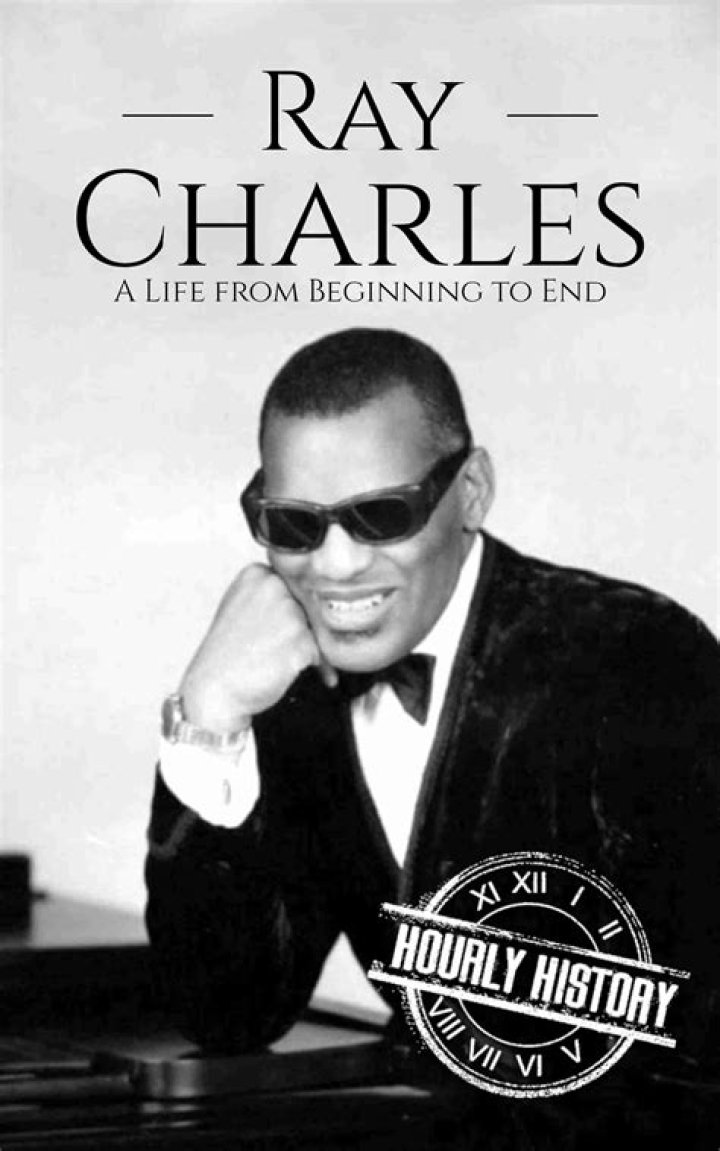
Ray Charles, an iconic figure in the world of music, is celebrated as one of the most influential artists of the 20th century. His unique blend of gospel, blues, and R&B created a new genre known as soul music, which left an indelible mark on the industry. His journey from humble beginnings in Georgia to becoming a global sensation is nothing short of inspirational.
As we delve into the biography of Ray Charles, we uncover not only his musical genius but also the personal challenges he faced throughout his life. From overcoming blindness at a young age to battling drug addiction, Ray Charles emerged stronger, leaving behind a legacy that continues to inspire millions worldwide.
This article will explore the life and career of Ray Charles, highlighting his contributions to music, his struggles, and the impact he had on future generations. Whether you're a fan of his music or simply curious about his life story, this comprehensive guide will provide you with all the information you need to appreciate the man behind the music.
Biography of Ray Charles
Biographical Overview
Ray Charles Robinson, later known simply as Ray Charles, was born on September 23, 1930, in Albany, Georgia. He grew up in Greenville, Florida, where he developed a passion for music at an early age. Despite losing his sight by the age of seven due to glaucoma, Charles never let his blindness hinder his ambitions. His determination and talent propelled him to become one of the most celebrated musicians in history.
Data and Facts
Below is a summary of key data points about Ray Charles:
| Full Name | Ray Charles Robinson |
|---|---|
| Date of Birth | September 23, 1930 |
| Place of Birth | Albany, Georgia |
| Occupation | Singer, Pianist, Composer |
| Genre | R&B, Blues, Soul, Jazz, Gospel |
| Years Active | 1947–2004 |
Early Life and Background
Growing up in a modest household, Ray Charles was introduced to music by his mother, Aretha Robinson, who encouraged him to pursue his passion. At the Florida School for the Deaf and the Blind, Charles learned to play various instruments, including the piano, organ, saxophone, and trumpet. His early exposure to different genres laid the foundation for his innovative style later in life.
Musical Career
Breaking into the Music Industry
Ray Charles began his professional career in the late 1940s, performing in local bands and clubs. By the 1950s, he had gained recognition for his distinctive sound, which combined elements of blues, gospel, and jazz. Hits like "I Got a Woman" and "What'd I Say" cemented his place in the music world.
Key Milestones
- 1954: Released "I Got a Woman," which became a crossover hit.
- 1959: Released "What'd I Say," a groundbreaking track that showcased his vocal prowess.
- 1962: Released the album "Modern Sounds in Country and Western Music," which brought country music to a broader audience.
Ray Charles' Contribution to Music Genres
Ray Charles is often credited with creating the soul music genre by blending gospel, blues, and R&B. His ability to fuse different styles into a cohesive sound revolutionized the music industry. According to the Rock & Roll Hall of Fame, Charles' influence can still be heard in contemporary music today.
Personal Life
Beyond his music, Ray Charles led a complex personal life. He married three times and fathered 12 children. His battle with drug addiction in the 1960s was well-documented, but he successfully overcame it, becoming an advocate for rehabilitation programs.
Challenges Faced by Ray Charles
Throughout his life, Ray Charles faced numerous challenges, including:
- Blindness from glaucoma at a young age.
- Drug addiction during the peak of his career.
- Racial discrimination in the music industry during the segregated era.
Despite these obstacles, Charles persevered, using his experiences to fuel his artistry.
Legacy of Ray Charles
Inspiring Future Artists
Ray Charles' influence extends far beyond his own era. Artists such as Stevie Wonder, Aretha Franklin, and Alicia Keys have cited him as a major influence. His innovative approach to music paved the way for future generations to experiment and push boundaries.
Memorials and Tributes
Various tributes have been paid to Ray Charles, including the establishment of the Ray Charles Foundation, which supports music education and research. Additionally, the biographical film "Ray," starring Jamie Foxx, brought his story to a wider audience, earning critical acclaim and numerous awards.
Awards and Recognition
Ray Charles received numerous accolades throughout his career, including:
- 18 Grammy Awards, including the Grammy Lifetime Achievement Award.
- Induction into the Rock & Roll Hall of Fame in 1986.
- Recipient of the Kennedy Center Honors in 1986.
These honors reflect the profound impact he had on the music industry and popular culture.
Influence on Modern Music
The influence of Ray Charles can be seen in the work of countless contemporary artists. His ability to transcend genres and connect with audiences of all backgrounds remains unparalleled. As noted by Billboard, his music continues to resonate with new generations, proving its timeless appeal.
Conclusion
In conclusion, Ray Charles' biography is one of triumph and innovation. From his early days in Florida to his rise as a global music icon, Charles left an indelible mark on the industry. His contributions to soul music, his personal struggles, and his enduring legacy make him a true legend.
We invite you to share your thoughts on Ray Charles in the comments below. For more fascinating stories about legendary musicians, explore our other articles. Together, let's celebrate the life and music of one of the greatest artists the world has ever known.
Source: Rock & Roll Hall of Fame, Billboard