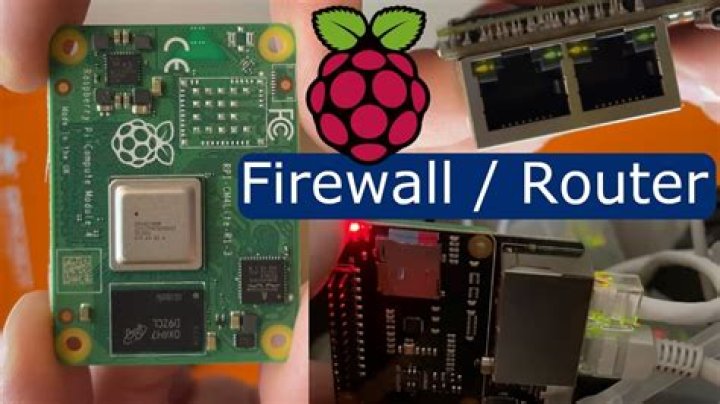
Setting up a Raspberry Pi 4 as a router firewall is a game-changer for securing your home or small business network. This powerful device offers unparalleled flexibility and customization, making it an ideal choice for tech enthusiasts and professionals alike. With its robust capabilities, the Raspberry Pi 4 can transform your network infrastructure into a secure fortress against cyber threats.
As technology evolves, so do the methods used by cybercriminals to exploit vulnerabilities in networks. A Raspberry Pi 4 router firewall acts as a first line of defense, ensuring that unauthorized access is blocked and sensitive data remains protected. This guide will walk you through the process of setting up and configuring your Raspberry Pi 4 as a router firewall, empowering you to take control of your network security.
Whether you're a beginner or an advanced user, this comprehensive tutorial will provide step-by-step instructions and valuable insights into creating a secure and efficient network setup. Let's dive into the world of Raspberry Pi 4 router firewalls and discover how they can enhance your digital security.
Introduction to Raspberry Pi 4 Router Firewall
The Raspberry Pi 4 has become a popular choice for DIY networking projects, including setting up a router firewall. Its compact size, affordability, and versatility make it an excellent option for those looking to secure their networks without breaking the bank. By leveraging the power of open-source software, users can create a customized router that meets their specific security needs.
Why Choose Raspberry Pi 4 for Your Router?
There are several reasons why the Raspberry Pi 4 is ideal for router firewall applications:
- High-performance processor capable of handling network traffic efficiently.
- Dual-band Wi-Fi and Gigabit Ethernet for fast and reliable connectivity.
- Support for multiple operating systems, including specialized Linux distributions designed for networking.
- Extensive community support and a wealth of resources available online.
Hardware Requirements for Raspberry Pi 4 Router
Before diving into the setup process, it's essential to gather the necessary hardware components. Here's a list of items you'll need:
- Raspberry Pi 4 Model B
- MicroSD card (16GB or larger)
- Power adapter with sufficient wattage
- Ethernet cables for connecting devices
- Optional: USB Wi-Fi adapter for additional wireless capabilities
Software Setup for Router Firewall
Choosing the right software is crucial for setting up a Raspberry Pi 4 router firewall. Popular options include:
Operating Systems
Raspberry Pi OS is a reliable choice for beginners, while advanced users may prefer specialized distributions like:
- Pi-hole for ad-blocking capabilities
- pfSense for advanced routing and firewall features
- OpenWrt for lightweight and customizable solutions
Installing Raspberry Pi OS
Installing Raspberry Pi OS is a straightforward process that involves downloading the image file, writing it to your microSD card, and booting the device. Follow these steps:
- Download the latest version of Raspberry Pi OS from the official website.
- Use a tool like Balena Etcher to write the image to your microSD card.
- Insert the microSD card into your Raspberry Pi 4 and power it on.
Configuring Network Settings
Once Raspberry Pi OS is installed, you'll need to configure the network settings to ensure proper connectivity. This includes setting up:
Static IP Address
A static IP address ensures that your Raspberry Pi 4 remains reachable on the network. To configure this:
- Open the terminal and edit the
/etc/dhcpcd.conffile. - Add the desired static IP address, subnet mask, and gateway information.
DHCP Server
A DHCP server allows your Raspberry Pi 4 to assign IP addresses to connected devices automatically. Use a package like dnsmasq to set this up.
Setting Up a Firewall on Raspberry Pi
A firewall is a critical component of any secure network setup. With the Raspberry Pi 4, you can use tools like iptables or ufw to create a robust firewall configuration.
Using UFW (Uncomplicated Firewall)
UFW is a user-friendly tool for managing firewall rules. To install and configure UFW:
- Run
sudo apt install ufwto install the package. - Enable the firewall with
sudo ufw enable. - Set up rules to allow or deny specific types of traffic.
Enhancing Network Security
While setting up a firewall is a significant step towards securing your network, there are additional measures you can take to enhance protection:
Regular Updates
Keep your Raspberry Pi 4 and all installed software up to date to patch security vulnerabilities. Use the following commands:
sudo apt updatesudo apt upgrade
Strong Passwords
Ensure that all accounts on your Raspberry Pi 4 use strong, unique passwords. Consider enabling two-factor authentication for added security.
Optimizing Router Performance
To get the most out of your Raspberry Pi 4 router, consider the following optimization tips:
Adjusting CPU Frequency
Increasing the CPU frequency can improve performance, but be cautious of overheating. Use the raspi-config tool to adjust settings.
Monitoring Network Traffic
Tools like iftop or vnstat can help you monitor and analyze network traffic, ensuring optimal performance.
Troubleshooting Common Issues
Even with careful planning, issues can arise during setup. Here are some common problems and their solutions:
Connection Problems
If devices cannot connect to your Raspberry Pi 4 router, check the following:
- Ensure DHCP is properly configured.
- Verify that the firewall rules are not blocking necessary traffic.
Conclusion and Next Steps
Setting up a Raspberry Pi 4 router firewall is an excellent way to secure your network and gain valuable hands-on experience with networking technologies. By following the steps outlined in this guide, you can create a customized and secure router tailored to your needs.
We encourage you to share your experiences and ask questions in the comments section below. Additionally, explore related articles on our website to deepen your understanding of Raspberry Pi and networking concepts. Together, let's build a safer digital world!