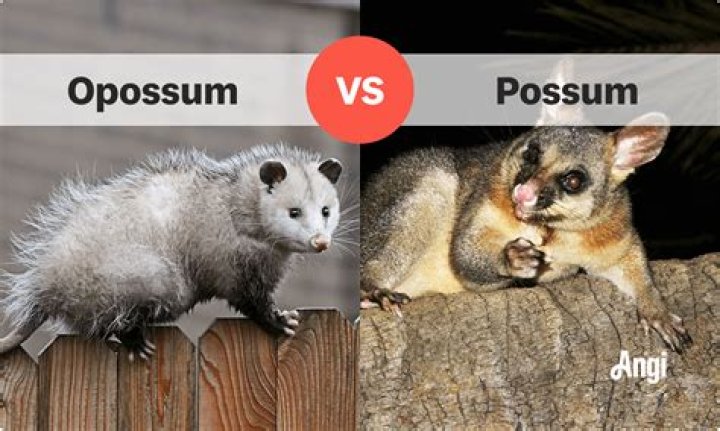
Possums and opossums are often confused with one another, but they are distinct creatures with unique characteristics and habitats. Both animals share a similar name, but they belong to separate families and have evolved in different parts of the world. Understanding the differences between possums and opossums is crucial for anyone interested in wildlife or biology. This article aims to delve deep into their distinctions, habitats, behaviors, and ecological roles.
As we explore the world of possums vs opossums, it becomes evident that these animals have unique adaptations that allow them to thrive in their respective environments. Whether you're a nature enthusiast or simply curious about the animal kingdom, this guide will provide valuable insights into their biology, behaviors, and the role they play in ecosystems around the globe.
By the end of this article, you'll have a clearer understanding of what makes possums and opossums different and how these differences affect their survival strategies. Let's embark on this journey to uncover the fascinating world of these marsupials.
What Are Possums?
Possums are marsupials native to Australia and surrounding regions, such as New Guinea. These animals are part of the family Phalangeridae and are characterized by their furry appearance, bushy tails, and nocturnal behavior. Possums play a vital role in the ecosystems they inhabit, often serving as seed dispersers and contributing to forest regeneration.
There are over 70 species of possums, each adapted to specific environments. They range in size from small, mouse-like creatures to larger, tree-dwelling animals. Below are some key characteristics of possums:
- Nocturnal behavior
- Tree-dwelling mammals
- Strong climbing abilities
- Varied diets, including fruits, leaves, and insects
Common Possum Species
Some of the most well-known possum species include the common brushtail possum and the ringtail possum. These animals are often found in urban areas, where they adapt to human environments by nesting in roofs or gardens.
What Are Opossums?
Opossums, on the other hand, are marsupials native to the Americas. They belong to the family Didelphidae and are primarily found in North and South America. Unlike possums, opossums are known for their unique trait of "playing dead" when threatened, a behavior called thanatosis.
Opossums are highly adaptable creatures that can survive in a variety of environments, from forests to urban areas. They are omnivorous, feeding on a wide range of foods, including insects, fruits, and carrion. Below are some distinguishing features of opossums:
- Prehensile tails for climbing
- Omnivorous diet
- Highly adaptable
- Up to 13 brood pouches for raising their young
The Virginia Opossum
The Virginia opossum is the most well-known species of opossum and the only marsupial native to North America. It is often seen scavenging in urban areas and is known for its distinctive white face and gray fur.
Key Differences Between Possums and Opossums
While possums and opossums may sound similar, they differ significantly in terms of geography, physical characteristics, and behavior. Below is a detailed comparison of the two:
Geographical Distribution
Possums are exclusively found in Australia and surrounding regions, while opossums are native to the Americas. This geographical separation has led to distinct evolutionary paths for both groups of animals.
Physical Characteristics
Possums generally have bushy tails and furrier bodies compared to opossums, which have hairless, prehensile tails. Possums also tend to have more vibrant fur colors, ranging from gray to brown, while opossums have a more uniform grayish appearance.
Behavioral Traits
Possums are primarily tree-dwellers, while opossums are more versatile in their habitats, often living on the ground or in burrows. Opossums are also known for their defensive behavior of "playing dead," a trait not observed in possums.
Habitats and Adaptations
Both possums and opossums have adapted to their environments in remarkable ways. Their habitats and lifestyles reflect their evolutionary history and ecological roles.
Possum Habitats
Possums thrive in forested areas, where they spend most of their time in trees. They have strong claws and prehensile tails that allow them to climb and navigate their arboreal homes with ease.
Opossum Habitats
Opossums are highly adaptable and can live in a variety of environments, including forests, grasslands, and urban areas. Their ability to scavenge for food and their versatile diet contribute to their success in diverse habitats.
Ecological Roles
Both possums and opossums play important roles in their respective ecosystems. They contribute to processes such as seed dispersal, pest control, and nutrient cycling.
Seed Dispersal
Possums are essential seed dispersers in Australian forests. By consuming fruits and defecating the seeds, they help regenerate vegetation and maintain biodiversity.
Pest Control
Opossums are natural predators of insects, rodents, and snakes. They help control pest populations, making them valuable allies in agriculture and urban environments.
Reproduction and Life Cycle
The reproductive strategies of possums and opossums highlight their marsupial heritage. Both animals give birth to underdeveloped young, which continue to develop in a pouch.
Possum Reproduction
Possums have relatively short gestation periods, typically lasting around 16-18 days. After birth, their young crawl into the mother's pouch, where they continue to develop for several months.
Opossum Reproduction
Opossums also have short gestation periods, averaging around 12-13 days. Their young, called joeys, develop in the mother's pouch for about two months before venturing out into the world.
Conservation Status
While possums and opossums are generally not considered endangered, certain species face threats from habitat loss, climate change, and human activities.
Threats to Possums
Possum populations in Australia are affected by deforestation, urbanization, and introduced predators such as foxes and cats. Conservation efforts focus on protecting native habitats and controlling invasive species.
Threats to Opossums
Opossums in the Americas face threats from habitat destruction and road mortality. However, their adaptability has allowed them to persist in many areas despite these challenges.
Myths and Misconceptions
There are several myths surrounding possums and opossums that have persisted over time. Understanding the truth about these animals helps dispel common misconceptions.
Possum Myths
One common myth is that possums are harmful to humans or pets. In reality, they are shy, non-aggressive creatures that pose little threat to people or animals.
Opossum Misconceptions
Many people believe that opossums are carriers of rabies, but this is untrue. Opossums have a lower body temperature than most mammals, making them resistant to rabies and other diseases.
Conclusion
In conclusion, possums and opossums are fascinating marsupials with distinct characteristics and roles in their ecosystems. While they share some similarities, their differences in geography, physical traits, and behavior make them unique in their own right. By understanding these differences, we can appreciate the diversity of the animal kingdom and the importance of conservation efforts to protect these creatures.
We invite you to share your thoughts and questions in the comments section below. If you enjoyed this article, please consider sharing it with others who may find it interesting. For more information on wildlife and biodiversity, explore our other articles on the site.




