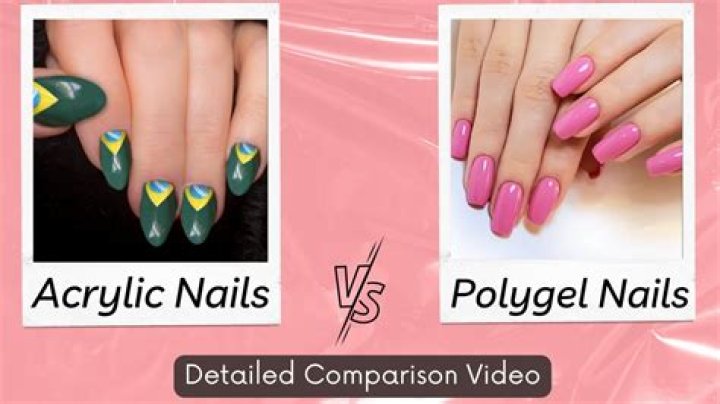
Choosing the right nail extension method can significantly enhance your beauty routine. Polygel and acrylic nails are two popular options that offer unique benefits and challenges. Whether you're a nail technician or someone looking to enhance your natural nails, understanding the differences between polygel vs acrylic is crucial for making an informed decision.
Nails have become a powerful form of self-expression, and the nail industry continues to grow rapidly. According to Statista, the global nail care market is projected to reach $12.6 billion by 2025. With so many options available, it's essential to weigh the pros and cons of each method to find what works best for your lifestyle.
This article will provide a comprehensive comparison of polygel vs acrylic nails, covering everything from application techniques, maintenance, cost, durability, and potential risks. By the end, you'll have all the information you need to make a confident decision.
Introduction to Polygel and Acrylic Nails
Polygel and acrylic nails are two of the most popular nail extension methods in the beauty industry. Both options provide a way to enhance the appearance of natural nails, offering strength, durability, and a polished finish. However, they differ significantly in terms of application, maintenance, and overall experience.
Polygel, a newer innovation in the nail industry, combines the benefits of gel and acrylic nails, offering a lightweight, flexible, and odorless alternative. Acrylic nails, on the other hand, have been a staple in the industry for decades, known for their strength and affordability.
Understanding the differences between these two methods is essential for anyone looking to invest in nail extensions. Whether you prioritize convenience, durability, or aesthetics, this comparison will help you make an informed choice.
What is Polygel?
Definition and Characteristics
Polygel is a hybrid material that combines the best qualities of gel and acrylic nails. It is applied in a similar way to gel nails but offers the strength and flexibility of acrylics. One of the key advantages of polygel is its lightweight feel, making it a popular choice for those who find acrylics too heavy or uncomfortable.
Key Features of Polygel:
- Odorless application
- Flexible and lightweight
- Easy to remove
- Natural-looking finish
Application Process
The application process for polygel involves applying a thin layer of the product onto the natural nail or a tip. Unlike acrylic nails, polygel does not require a liquid monomer, making the process cleaner and less messy. Once applied, the polygel is cured under a UV or LED lamp, similar to gel nails.
According to nail professionals, polygel is an excellent choice for clients who want a strong yet natural-looking nail extension without the strong smell associated with acrylics.
Understanding Acrylic Nails
Definition and Characteristics
Acrylic nails have been a staple in the nail industry for decades. They are created by mixing a liquid monomer with a powder polymer, which hardens to form a strong, durable surface. Acrylic nails are known for their strength and ability to withstand daily wear and tear.
Key Features of Acrylic Nails:
- Highly durable
- Affordable
- Versatile shaping options
- Strong smell during application
Application Process
Applying acrylic nails involves a more traditional method compared to polygel. The nail technician mixes the liquid monomer with the powder polymer to create a putty-like consistency, which is then applied to the natural nail or a tip. The mixture hardens quickly, allowing for immediate shaping and filing.
While acrylic nails are strong and long-lasting, the application process can be messier and more time-consuming than polygel. Additionally, the strong odor of the liquid monomer may be off-putting for some clients.
Application Process
Step-by-Step Guide
Both polygel and acrylic nails require a skilled technician for proper application. However, the processes differ significantly in terms of materials and techniques used.
Polygel Application:
- Prepare the natural nail by filing and cleaning
- Apply a base coat or primer
- Apply a thin layer of polygel onto the nail or tip
- Cure under a UV or LED lamp
- Shape and file the nail to desired length and style
Acrylic Application:
- Prepare the natural nail by filing and cleaning
- Mix the liquid monomer with the powder polymer
- Apply the mixture onto the nail or tip
- Shape and file the nail to desired length and style
- Allow the nail to harden before finishing
Maintenance Tips
Extending the Life of Your Nails
Maintenance is crucial for keeping both polygel and acrylic nails in top condition. Regular fill-ins and proper care can extend the life of your nail extensions and prevent damage.
Polygel Maintenance:
- Visit your nail technician every 2-3 weeks for fill-ins
- Avoid using acetone-based nail polish removers
- Minimize exposure to water and harsh chemicals
Acrylic Maintenance:
- Visit your nail technician every 2-3 weeks for fill-ins
- Use a non-acetone nail polish remover
- File your nails regularly to maintain shape
Cost Comparison
Understanding the Financial Investment
Cost is an important factor to consider when choosing between polygel and acrylic nails. While both options offer value, the upfront and ongoing costs can vary depending on the salon and region.
Cost Breakdown:
- Polygel: Typically more expensive upfront, ranging from $40 to $80
- Acrylic: More affordable, ranging from $30 to $60
- Fill-ins: Both options require regular fill-ins every 2-3 weeks, costing between $20 and $40
Durability and Longevity
How Long Do They Last?
Durability is a key consideration when choosing between polygel and acrylic nails. Both options offer long-lasting results, but they differ in terms of flexibility and resistance to chipping.
Polygel Durability:
- Flexible and less prone to cracking
- Can last up to 3 weeks with proper maintenance
- Easy to repair and remove
Acrylic Durability:
- Highly durable and resistant to breakage
- Can last up to 4 weeks with proper maintenance
- Requires a more intensive removal process
Health Considerations
Potential Risks and Benefits
Health and safety should always be a priority when choosing nail extensions. Both polygel and acrylic nails have their own set of potential risks and benefits.
Polygel Health Considerations:
- Odorless application reduces respiratory irritation
- Less likely to cause allergic reactions
- Gentle removal process minimizes damage to natural nails
Acrylic Health Considerations:
- Strong odor during application may irritate sensitive individuals
- Potential for allergic reactions to the liquid monomer
- Intensive removal process can weaken natural nails
Aesthetic Differences
Which Looks Better?
Aesthetics play a significant role in choosing between polygel and acrylic nails. Both options offer a polished finish, but they differ in terms of texture and appearance.
Polygel Aesthetics:
- Natural-looking finish
- Smooth and shiny surface
- Flexible for various nail shapes and designs
Acrylic Aesthetics:
- Strong and structured appearance
- Wide range of color and design options
- Perfect for bold and dramatic looks
Which One is Right for You?
Finding the Perfect Fit
Choosing between polygel and acrylic nails ultimately depends on your personal preferences and lifestyle. Consider factors such as comfort, maintenance, cost, and health when making your decision.
Who Should Choose Polygel?
- Those who prioritize a natural look
- Individuals with sensitive skin or respiratory issues
- People looking for a lightweight and flexible option
Who Should Choose Acrylic?
- Those who need strong and durable nails
- Individuals on a budget
- People who want a bold and structured appearance
Conclusion
In conclusion, both polygel and acrylic nails offer unique advantages and disadvantages. Polygel provides a lightweight, odorless, and natural-looking option, while acrylic nails offer strength, affordability, and versatility. By considering factors such as cost, maintenance, and health, you can make an informed decision that suits your needs.
We encourage you to share your thoughts and experiences in the comments below. Which method do you prefer, polygel or acrylic? Let us know, and don't forget to explore our other articles for more beauty tips and tricks!



