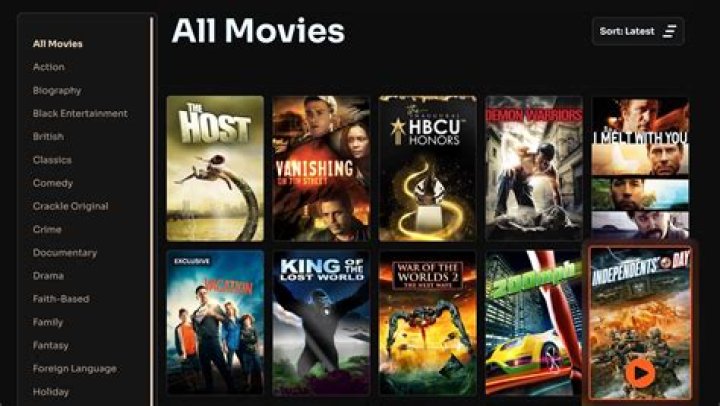
In the era of digital transformation, piracy has become a significant concern for businesses, content creators, and consumers alike. The ease of accessing unauthorized content through the internet has created a global issue that affects industries ranging from software development to entertainment. As technology evolves, so do the methods of piracy, making it essential to understand its implications and how to combat it effectively.
Piracy refers to the unauthorized reproduction, distribution, or use of copyrighted material. This practice has been around for decades, but the rise of the internet has amplified its impact. From illegal downloads of movies and music to the unauthorized sharing of software, piracy poses a serious threat to intellectual property rights and the economy as a whole.
This article aims to provide a comprehensive overview of piracy, its effects, and the steps individuals and organizations can take to protect themselves. By understanding the legal and ethical implications of piracy, we can work towards a more secure digital environment.
What is Piracy?
Piracy, in its simplest form, is the act of using or distributing copyrighted material without the permission of the rightful owner. This can include anything from software programs to movies, music, books, and even digital art. The term "piracy" originates from the maritime world, where pirates would steal goods from ships at sea. In the digital age, the concept has evolved to encompass intellectual property theft.
Definition of Piracy
Piracy is often associated with illegal downloading, streaming, or sharing of copyrighted content. It can occur through various channels, including peer-to-peer networks, torrent sites, and unauthorized streaming platforms. The key characteristic of piracy is the lack of authorization from the copyright holder, which makes it a violation of intellectual property laws.
Types of Piracy
Piracy manifests in different forms depending on the type of content being pirated. Below are some of the most common types:
- Software Piracy: The unauthorized copying, distribution, or use of software programs.
- Music Piracy: The illegal downloading or sharing of music files without paying the rightful owner.
- Movie Piracy: The unauthorized distribution or streaming of movies, often through torrent sites or unauthorized platforms.
- Game Piracy: The illegal downloading or distribution of video games, which can include cracked versions of games.
History of Piracy
Piracy has a long history that predates the digital age. In the early days of recorded music, piracy involved the unauthorized duplication of vinyl records. As technology advanced, so did the methods of piracy. The advent of the internet in the late 20th century revolutionized how people consumed content, leading to a surge in online piracy.
Key Milestones in the History of Piracy
Some notable milestones in the history of piracy include:
- 1970s: The rise of cassette tapes made it easier for people to duplicate music.
- 1990s: The introduction of CD burners allowed users to create their own copies of music and software.
- 2000s: Peer-to-peer networks like Napster popularized the sharing of music files.
Economic Impact of Piracy
The economic impact of piracy is significant. According to a report by the International Chamber of Commerce (ICC), global losses due to piracy and counterfeiting could reach up to $2.3 trillion by 2022. This figure highlights the magnitude of the problem and the need for effective solutions.
Sectors Most Affected by Piracy
Industries such as software development, entertainment, and publishing are among the hardest hit by piracy. The loss of revenue not only affects companies but also leads to job losses and reduced investment in new projects.
Legal Implications of Piracy
Piracy is not only unethical but also illegal. Copyright laws exist to protect the rights of creators and ensure they receive fair compensation for their work. Engaging in piracy can result in legal consequences, including fines and even imprisonment in severe cases.
Penalties for Piracy
The penalties for piracy vary depending on the jurisdiction and the severity of the offense. In the United States, for example, individuals found guilty of copyright infringement can face statutory damages ranging from $750 to $30,000 per work infringed. If the infringement is deemed willful, the penalties can increase to up to $150,000 per work.
Piracy in the Software Industry
The software industry is one of the most affected by piracy. According to a study by the Business Software Alliance (BSA), the global commercial value of pirated software was estimated at $46 billion in 2018. This loss of revenue impacts software developers' ability to innovate and create new products.
Impact on Small Businesses
Small businesses are particularly vulnerable to software piracy, as they may lack the resources to enforce copyright laws effectively. This can lead to a loss of competitive advantage and hinder growth.
Piracy in the Entertainment Industry
The entertainment industry, including movies, music, and television, is another major victim of piracy. Streaming services have made it easier than ever for users to access pirated content, leading to significant revenue losses for content creators.
Strategies to Combat Piracy
Entertainment companies are employing various strategies to combat piracy, such as implementing digital rights management (DRM) technologies and offering affordable legal alternatives to consumers.
How to Prevent Piracy
Preventing piracy requires a multi-faceted approach involving both technological solutions and educational initiatives. Below are some strategies that can help reduce the incidence of piracy:
- Education and Awareness: Educating users about the legal and ethical implications of piracy can encourage them to choose legal alternatives.
- Technological Solutions: Implementing DRM technologies and encryption can make it more difficult for pirates to access copyrighted material.
- Legal Alternatives: Offering affordable and convenient legal options can reduce the demand for pirated content.
Alternatives to Piracy
Consumers have a wide range of legal alternatives to piracy, including subscription-based services, pay-per-view options, and free or freemium models. These alternatives not only support creators but also provide a safer and more reliable way to access content.
Benefits of Legal Alternatives
Using legal alternatives to piracy offers several benefits, including:
- Access to high-quality, ad-free content.
- Support for creators and the industry as a whole.
- Protection from malware and other security risks associated with pirated content.
Future of Piracy
The future of piracy will likely be shaped by advancements in technology and changes in consumer behavior. As streaming services continue to grow in popularity, the demand for pirated content may decrease. However, pirates will undoubtedly adapt to new technologies, making it essential for industries to remain vigilant and proactive in their efforts to combat piracy.
Predictions for the Future
Some predictions for the future of piracy include:
- Increased Use of AI and Blockchain: These technologies could play a significant role in detecting and preventing piracy.
- Greater Collaboration Between Industries: Sharing resources and knowledge can enhance the effectiveness of anti-piracy efforts.
Conclusion
Piracy remains a significant challenge in the digital age, affecting industries and consumers worldwide. By understanding its causes, effects, and potential solutions, we can work towards a future where intellectual property rights are respected and creators are fairly compensated for their work.
We invite you to join the conversation by leaving a comment or sharing this article with others. Together, we can raise awareness about the importance of combating piracy and supporting legal alternatives. For more insights on digital trends and cybersecurity, explore our other articles on the site.