Python developers often seek efficient ways to interact with cloud services such as Amazon Web Services (AWS). One of the most popular methods is through the boto3 library, which acts as a bridge between Python and AWS services. This article provides an in-depth guide to installing and using boto3, ensuring seamless integration for your projects.
As cloud computing becomes increasingly vital for businesses and developers, understanding how to leverage AWS resources is crucial. Boto3, the official AWS SDK for Python, enables developers to manage AWS services programmatically, automating tasks and optimizing workflows.
This guide will walk you through the installation process of boto3, its features, and practical use cases. Whether you're a beginner or an experienced developer, this article will equip you with the knowledge to harness the power of AWS through Python.
Introduction to Boto3
Boto3 is the Amazon Web Services (AWS) Software Development Kit (SDK) for Python, which allows Python developers to write software that makes use of AWS services like Amazon S3, Amazon EC2, DynamoDB, and more. By integrating boto3 into your Python projects, you can automate tasks, manage resources, and build scalable applications.
With its user-friendly interface and extensive documentation, boto3 has become an essential tool for developers working with AWS. It supports both low-level access to AWS APIs and higher-level abstractions, making it suitable for a wide range of applications.
Why Choose Boto3?
- Officially supported by AWS
- Comprehensive support for AWS services
- Active community and extensive documentation
- Regular updates and improvements
How to Install Boto3 Using Pip
Installing boto3 is a straightforward process, thanks to Python's package manager, pip. To get started, ensure that Python and pip are installed on your system. Once you have confirmed their presence, you can proceed with the installation of boto3.
Steps to Install Boto3
- Open your terminal or command prompt.
- Run the following command:
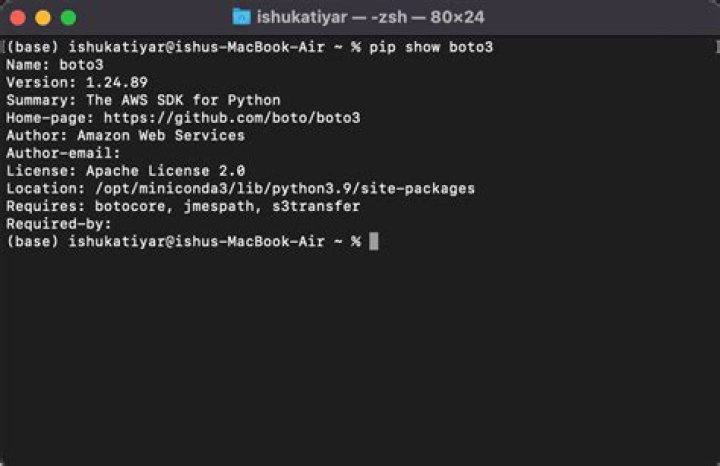
pip install boto3. - Verify the installation by running:
pip show boto3.
For users working in virtual environments, it's recommended to activate the environment before installing boto3 to avoid conflicts with system-wide packages.
Prerequisites for Using Boto3
Before diving into boto3, there are a few prerequisites you should meet to ensure smooth operation:
- Python Installed: Boto3 supports Python versions 3.7 and above. Ensure you have the latest version installed.
- AWS Account: You need an active AWS account to access its services.
- AWS Credentials: Configure your AWS credentials locally using the AWS CLI or by setting environment variables.
Configuring AWS credentials is crucial, as boto3 uses these to authenticate and authorize API requests. Follow the official AWS documentation to set up your credentials securely.
Key Features of Boto3
Boto3 offers a wide array of features that cater to the needs of modern cloud developers. Below are some of the standout features:
- Resource-Oriented Interface: Simplifies interactions with AWS services by providing high-level abstractions.
- Service Client Interface: Offers direct access to AWS APIs for advanced use cases.
- Waiters and Paginators: Facilitates handling long-running operations and large datasets efficiently.
- Event-driven Programming: Supports event-driven architectures through AWS Lambda integration.
These features make boto3 a versatile tool for both beginners and experienced developers, enabling them to build robust cloud-based applications.
AWS Services Supported by Boto3
Boto3 provides support for a vast array of AWS services, empowering developers to interact with almost every aspect of AWS programmatically. Some of the key services supported include:
Storage Services
- Amazon S3
- Amazon Glacier
- Amazon EFS
Compute Services
- Amazon EC2
- AWS Lambda
- Elastic Beanstalk
Additionally, boto3 supports database services like Amazon RDS and DynamoDB, networking services such as VPC and Route 53, and many others.
Practical Examples of Boto3 Usage
To better understand how boto3 works, let's explore some practical examples:
Example 1: Uploading a File to Amazon S3
Using boto3, you can easily upload files to Amazon S3 with just a few lines of code:
import boto3
s3 = boto3.client('s3')
s3.upload_file('file_name', 'bucket_name', 'object_name')
Example 2: Launching an EC2 Instance
Launching an EC2 instance programmatically is another common use case:
ec2 = boto3.resource('ec2')
instance = ec2.create_instances(ImageId='ami-0abcdef1234567890', MinCount=1, MaxCount=1)
These examples demonstrate the simplicity and power of boto3 in managing AWS resources.
Common Issues and Troubleshooting
While boto3 is a powerful tool, users may encounter issues during setup or usage. Below are some common problems and their solutions:
- Authentication Errors: Ensure your AWS credentials are correctly configured.
- Permission Denied: Check IAM policies and roles to verify appropriate permissions.
- Timeout Errors: Increase the timeout settings in your boto3 configuration.
Referencing the boto3 documentation and AWS forums can provide additional insights into resolving specific issues.
Best Practices for Using Boto3
To maximize the benefits of boto3, consider adopting the following best practices:
- Use Virtual Environments: Isolate your project dependencies to avoid conflicts.
- Secure Credentials: Never hardcode AWS credentials in your code. Use environment variables or IAM roles instead.
- Optimize Resource Usage: Close connections and release resources when they're no longer needed.
By adhering to these practices, you can ensure secure, efficient, and maintainable code.
Alternatives to Boto3
While boto3 is the official AWS SDK for Python, there are alternative libraries and tools available:
- AWS CLI: Command-line interface for AWS services.
- Terraform: Infrastructure-as-code tool for managing AWS resources.
- Ansible: Automation tool with AWS modules for configuration management.
Each alternative has its own strengths and use cases, so it's essential to choose the one that best fits your project requirements.
Conclusion and Next Steps
In conclusion, boto3 is an indispensable tool for Python developers looking to integrate AWS services into their projects. By following the steps outlined in this guide, you can successfully install and utilize boto3 to manage AWS resources effectively.
We encourage you to explore further by experimenting with boto3's features and services. Don't forget to share your experiences and insights in the comments below. Additionally, consider subscribing to our newsletter for more informative articles and tutorials.
Thank you for reading, and happy coding!