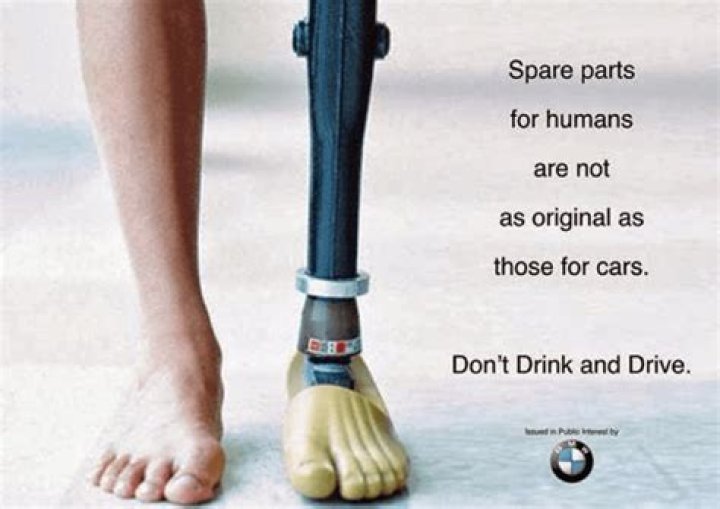
Advertising is an art and science that combines creativity with psychology to influence consumer behavior. Pathos commercials play a crucial role in this dynamic by appealing directly to the emotions of the audience. These advertisements create a deep connection between the brand and the viewer, making the message more memorable and impactful.
Emotional advertising has been proven to significantly increase brand recall, customer loyalty, and overall sales. By tapping into human emotions such as happiness, sadness, fear, or nostalgia, pathos commercials can resonate with viewers on a personal level. This approach not only builds trust but also strengthens the brand's reputation over time.
In today's competitive market, businesses must understand how to harness the power of pathos effectively. This article explores the concept of pathos commercials, their importance, strategies for creating them, and real-world examples to help marketers craft compelling emotional campaigns.
What is Pathos?
Pathos is a rhetorical device that appeals to the emotions of the audience. In the context of advertising, pathos commercials aim to evoke feelings such as joy, sorrow, excitement, or even fear to influence consumer decisions. By creating an emotional connection, advertisers can make their messages more compelling and memorable.
Pathos is one of the three modes of persuasion identified by Aristotle, alongside ethos (appealing to ethics) and logos (appealing to logic). While ethos focuses on credibility and logos relies on reasoning, pathos taps into the emotional core of the audience, making it particularly effective in marketing.
How Pathos Works in Advertising
The effectiveness of pathos commercials lies in their ability to bypass rational thinking and connect directly with the viewer's emotions. When done correctly, these ads can leave a lasting impression, prompting consumers to take action, whether it's purchasing a product or supporting a cause.
Why Pathos Commercials Matter
Pathos commercials are essential in modern advertising because they cater to the emotional side of human decision-making. Studies show that emotions play a significant role in influencing purchasing behavior, often outweighing rational considerations. Brands that successfully leverage pathos can build stronger relationships with their audience, leading to increased loyalty and repeat business.
Additionally, pathos commercials are more likely to be shared on social media platforms, amplifying their reach and impact. Emotional content tends to resonate with viewers, encouraging them to engage with the brand and spread the message organically.
Understanding the Role of Emotions in Advertising
Emotions are powerful drivers of human behavior, and advertisers have long recognized their potential in shaping consumer attitudes. Pathos commercials capitalize on this by using storytelling, visuals, and music to evoke specific feelings. For instance, a commercial featuring a heartwarming story of family bonding can evoke nostalgia, while an ad highlighting the dangers of climate change may instill fear and urgency.
Types of Emotions Used in Pathos Commercials
- Positive emotions: Happiness, love, excitement, and pride.
- Negative emotions: Sadness, fear, anger, and guilt.
- Mixed emotions: Bittersweet moments, hope, and inspiration.
Strategies for Creating Effective Pathos Commercials
To create pathos commercials that resonate with the audience, advertisers must employ specific strategies that enhance emotional engagement. Below are some proven techniques for crafting impactful emotional advertisements:
1. Use Compelling Storytelling
Storytelling is a powerful tool in pathos commercials. By weaving a narrative that captures the viewer's attention, advertisers can create a deeper emotional connection. The story should be relatable, authentic, and aligned with the brand's values.
2. Leverage Visuals and Music
Visual elements and music play a crucial role in evoking emotions. High-quality visuals and carefully chosen soundtracks can enhance the emotional impact of the advertisement, making it more memorable for the audience.
3. Focus on Universal Themes
Pathos commercials that tap into universal themes such as love, family, friendship, and hope are more likely to resonate with a diverse audience. These themes transcend cultural and linguistic barriers, making the message more inclusive and impactful.
Real-World Examples of Pathos Commercials
Several brands have successfully utilized pathos in their advertising campaigns, achieving remarkable results. Below are some notable examples:
1. Apple's "Shot on iPhone" Campaign
Apple's "Shot on iPhone" series showcases real-life moments captured by users, emphasizing the device's ability to preserve precious memories. This campaign evokes feelings of nostalgia and pride, resonating with viewers on a personal level.
2. Google's "Year in Search" Videos
Google's annual "Year in Search" videos highlight key moments and trends from the past year, blending positive and negative emotions to create a powerful narrative. These videos often leave viewers feeling inspired and hopeful.
The Psychology Behind Emotional Advertising
The effectiveness of pathos commercials can be attributed to the principles of psychology. Emotions influence decision-making by creating mental shortcuts that guide behavior. When viewers experience strong emotions while watching an advertisement, they are more likely to remember the brand and act on their feelings.
Moreover, emotional advertising can trigger the release of neurotransmitters such as dopamine and oxytocin, which are associated with pleasure and bonding. This biological response reinforces the positive association between the viewer and the brand.
Measuring the Success of Pathos Commercials
Evaluating the success of pathos commercials involves tracking key metrics such as brand recall, emotional resonance, and consumer engagement. Advertisers can use tools like surveys, focus groups, and digital analytics to gather insights into the effectiveness of their campaigns.
Additionally, monitoring social media activity, such as likes, shares, and comments, can provide valuable feedback on the audience's emotional response to the advertisement.
Challenges in Using Pathos in Advertising
While pathos commercials offer numerous benefits, they also present certain challenges. One of the primary concerns is the risk of emotional manipulation, which can lead to backlash if the audience perceives the advertisement as insincere or exploitative.
Another challenge is striking the right balance between emotional appeal and brand messaging. Overemphasis on emotions may overshadow the product or service being advertised, reducing its effectiveness in driving sales.
Ethical Considerations in Pathos Commercials
Advertisers must approach pathos commercials with ethical responsibility, ensuring that their messages are authentic and respectful. Exploiting sensitive topics or inducing negative emotions for commercial gain can damage the brand's reputation and erode consumer trust.
Transparency and honesty are essential in building long-term relationships with the audience. Brands should prioritize creating emotional connections that align with their values and mission, rather than resorting to manipulative tactics.
Conclusion and Call to Action
Pathos commercials are a powerful tool in modern advertising, enabling brands to connect with their audience on an emotional level. By understanding the role of emotions in decision-making and employing effective strategies, advertisers can craft compelling campaigns that leave a lasting impact.
We invite you to share your thoughts on this article and explore other resources on our website. For more insights into emotional advertising and marketing strategies, feel free to browse our collection of articles or leave a comment below. Together, let's elevate the art of advertising and create meaningful connections with consumers.
Data Source: Nielsen, Harvard Business Review, Journal of Advertising Research



