When it comes to root vegetables, yams and sweet potatoes are often confused with one another. Both are nutritious, versatile, and widely consumed across the globe. However, understanding their nutritional differences is essential for making informed dietary choices. Whether you're a health enthusiast or simply curious about what these vegetables offer, this article dives deep into the nutritional value of yams versus sweet potatoes.
Despite their similar appearances, yams and sweet potatoes differ significantly in terms of taste, texture, and nutrient content. While yams are native to Africa and Asia, sweet potatoes are originally from Central and South America. Both vegetables have gained popularity worldwide due to their health benefits and culinary versatility.
This article will explore the nutritional profiles, health benefits, and culinary uses of yams and sweet potatoes. By the end, you'll have a clearer understanding of which one suits your dietary needs better. Let's get started!
Introduction to Yams and Sweet Potatoes
What Are Yams?
Yams are starchy root vegetables that are native to Africa and Asia. They have a rough, bark-like skin and are generally larger than sweet potatoes. Yams are a staple food in many African countries and are also popular in parts of Asia, Latin America, and the Caribbean. They are rich in carbohydrates and provide a significant source of energy.
What Are Sweet Potatoes?
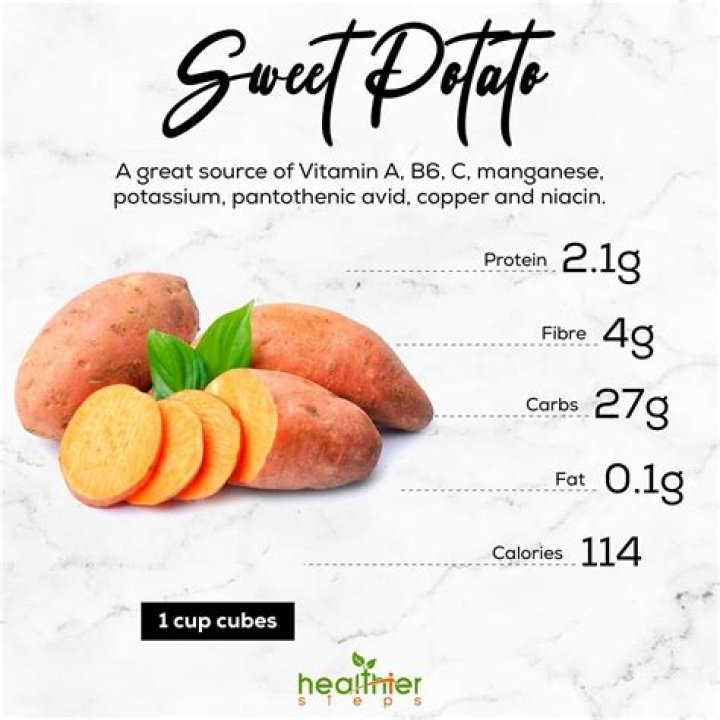
Sweet potatoes, on the other hand, are native to Central and South America. They come in various colors, including orange, white, and purple, and have a sweeter taste compared to yams. Sweet potatoes are packed with vitamins, minerals, and antioxidants, making them a favorite among health-conscious individuals.
Nutritional Comparison: Yams vs Sweet Potatoes
Both yams and sweet potatoes are nutrient-dense foods, but their nutritional profiles differ in several ways. Below is a detailed comparison of their macronutrient and micronutrient content.
Calories and Macronutrients
- Yams: A 100-gram serving of yams contains approximately 118 calories, with 28 grams of carbohydrates and 1 gram of protein.
- Sweet Potatoes: A 100-gram serving of sweet potatoes contains around 86 calories, with 20 grams of carbohydrates and 2 grams of protein.
As you can see, yams are slightly higher in calories and carbohydrates, while sweet potatoes offer more protein per serving.
Vitamin Content in Yams and Sweet Potatoes
Vitamins play a crucial role in maintaining overall health. Both yams and sweet potatoes are excellent sources of essential vitamins, but their vitamin profiles differ significantly.
Vitamin A
Sweet potatoes, especially the orange-fleshed varieties, are exceptionally high in Vitamin A. A single serving can provide over 400% of the daily recommended intake. Yams, however, contain very little Vitamin A.
Vitamin C
Both yams and sweet potatoes are good sources of Vitamin C, which supports immune function and collagen production. Sweet potatoes, however, have a slightly higher Vitamin C content.
Mineral Content: Yams vs Sweet Potatoes
Minerals are vital for various bodily functions, including bone health, muscle function, and nerve transmission. Here's how yams and sweet potatoes stack up in terms of mineral content.
Potassium
Potassium is an essential mineral that helps regulate blood pressure and supports heart health. Both yams and sweet potatoes are rich in potassium, but sweet potatoes tend to have a higher concentration.
Manganese
Manganese is important for bone development and metabolism. Yams are particularly high in manganese, making them a great choice for those looking to boost their mineral intake.
Fiber and Carbohydrates in Yams and Sweet Potatoes
Fiber and carbohydrates are key components of any balanced diet. Both yams and sweet potatoes are excellent sources of dietary fiber, which aids digestion and promotes satiety.
Fiber Content
- Yams: A 100-gram serving of yams contains around 4 grams of fiber.
- Sweet Potatoes: A 100-gram serving of sweet potatoes contains approximately 3 grams of fiber.
While yams have a slight edge in fiber content, both vegetables are beneficial for maintaining digestive health.
Glycemic Index and Blood Sugar Impact
The glycemic index (GI) measures how quickly a food raises blood sugar levels. Understanding the GI of yams and sweet potatoes is important, especially for individuals with diabetes or insulin resistance.
Glycemic Index of Yams
Yams generally have a higher glycemic index compared to sweet potatoes, meaning they can cause a more rapid spike in blood sugar levels. However, the exact GI value can vary depending on the cooking method and variety of yam.
Glycemic Index of Sweet Potatoes
Sweet potatoes, particularly the orange-fleshed varieties, have a lower glycemic index. This makes them a better option for those looking to manage their blood sugar levels.
Health Benefits of Yams and Sweet Potatoes
Beyond their nutritional content, both yams and sweet potatoes offer numerous health benefits. Here are some of the key advantages of incorporating these vegetables into your diet.
Anti-Inflammatory Properties
Both yams and sweet potatoes contain antioxidants that help reduce inflammation in the body. Sweet potatoes, in particular, are rich in beta-carotene, a powerful antioxidant that supports immune health.
Heart Health
The potassium content in both yams and sweet potatoes makes them excellent for supporting heart health. Potassium helps regulate blood pressure and reduces the risk of cardiovascular diseases.
Best Cooking Methods for Yams and Sweet Potatoes
The way you cook yams and sweet potatoes can affect their nutritional value and taste. Here are some of the best cooking methods for these root vegetables.
Baking
Baking is one of the healthiest ways to prepare yams and sweet potatoes. It preserves their nutrients and enhances their natural sweetness.
Boiling
Boiling is another excellent option, especially if you want to reduce the glycemic impact of these vegetables. However, some water-soluble nutrients may be lost during the boiling process.
Culinary Uses and Recipe Ideas
Yams and sweet potatoes are incredibly versatile in the kitchen. Here are some creative ways to incorporate them into your meals.
Sweet Potato Fries
Who doesn't love crispy sweet potato fries? Simply slice sweet potatoes into strips, toss them with olive oil and spices, and bake until golden brown.
Yam Soup
For a comforting and nutritious meal, try making a creamy yam soup. Add vegetables, herbs, and spices to enhance the flavor.
Conclusion and Final Thoughts
Both yams and sweet potatoes are nutrient-dense root vegetables that offer a wide range of health benefits. While yams are higher in calories and carbohydrates, sweet potatoes excel in Vitamin A and fiber content. The choice between the two ultimately depends on your dietary needs and preferences.
We encourage you to experiment with both yams and sweet potatoes in your cooking. Whether you're baking, boiling, or roasting, these vegetables are sure to add flavor and nutrition to your meals. Don't forget to share your favorite recipes in the comments below and explore more articles on our site for additional health and wellness tips!
References:
- U.S. Department of Agriculture. (2021). FoodData Central.
- World Health Organization. (2020). Healthy Diet Guidelines.
- Harvard T.H. Chan School of Public Health. (2022). The Nutrition Source.



