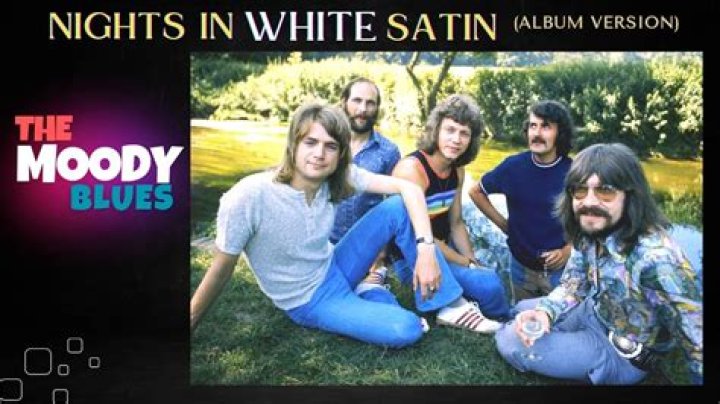
There’s a song that has transcended generations, resonating with listeners across the globe. "Nights in White Satin," by The Moody Blues, remains one of the most iconic tracks in music history. This article will explore the origins, meaning, and lasting impact of this legendary piece, delving into its cultural significance and musical brilliance.
From its haunting melodies to its poetic lyrics, "Nights in White Satin" has captured the hearts of millions since its release in 1967. The song's ability to evoke emotion and nostalgia has ensured its place in the annals of rock music. In this article, we will uncover the story behind the song, its creation, and the band that brought it to life.
Whether you're a long-time fan of The Moody Blues or new to their music, this deep dive into "Nights in White Satin" promises to provide insights and appreciation for one of the most beloved songs of all time. Let's journey together through the world of symphonic rock and discover what makes this track so special.
The Moody Blues: A Brief Biography
Formation and Early Years
Formed in Birmingham, England, in 1964, The Moody Blues quickly became one of the most innovative and influential bands of their era. Initially starting as a rhythm and blues group, they soon evolved into pioneers of the progressive rock genre. Their unique sound combined rock instrumentation with orchestral elements, setting them apart from their contemporaries.
Key Members and Their Contributions
The band's lineup featured several talented musicians, each contributing to their distinctive style. Key members included Justin Hayward, whose soaring vocals and songwriting skills were instrumental in creating hits like "Nights in White Satin." Here's a brief overview of the band members:
| Name | Role | Notable Contributions |
|---|---|---|
| Justin Hayward | Vocals, Guitar | Primary songwriter and lead vocalist |
| Ray Thomas | Vocals, Flute | Flute solos and harmony vocals |
| Mike Pinder | Vocals, Keyboards | Innovative use of the Mellotron |
| John Lodge | Vocals, Bass | Strong basslines and vocal harmonies |
| Graeme Edge | Drums, Vocals | Poetic drumming and spoken word segments |
The Origins of "Nights in White Satin"
"Nights in White Satin" was written by Justin Hayward when he was just 18 years old. Inspired by his unrequited love for a girl he met at a holiday camp, the song captures the bittersweet nature of young romance. Initially rejected by the band's record label, Decca, the track eventually found its place on their 1967 album "Days of Future Passed," thanks to the vision of producer Tony Clarke.
Understanding the Lyrics
Themes and Emotions
The lyrics of "Nights in White Satin" explore themes of love, longing, and isolation. The imagery of "nights in white satin" evokes a sense of purity and nostalgia, while lines like "I'm lonely still" convey the ache of unfulfilled desires. The song's poetic nature has allowed listeners to interpret its meaning in various ways, making it a timeless piece of art.
Key Verses and Their Significance
- "I'm lonely still; it's such a lonely world": Highlights the universal experience of loneliness.
- "And I would give the world to love you": Expresses the depth of the protagonist's feelings.
- "The days grow short, when you reach forty": A poignant reminder of the passage of time.
The Recording Process
The recording of "Nights in White Satin" was groundbreaking for its time. The band utilized the Mellotron, an early keyboard instrument that could mimic orchestral sounds, to create its lush arrangements. This innovative approach helped define the symphonic rock sound that The Moody Blues became known for. The track was recorded at London's Decca Studios, with each member contributing their unique talents to bring the song to life.
Key Musical Elements
Instrumentation and Arrangement
The song's rich instrumentation includes electric guitar, bass, drums, and the iconic Mellotron strings. The interplay between these instruments creates a tapestry of sound that draws listeners in. The arrangement builds gradually, starting with a gentle introduction before reaching a powerful crescendo.
Vocal Performance
Justin Hayward's vocal performance is a masterclass in emotive singing. His ability to convey the song's heartfelt emotions has been praised by critics and fans alike. The harmonies provided by the rest of the band add depth and texture to the overall sound.
Cultural Impact and Legacy
"Nights in White Satin" has had a lasting impact on popular culture. It has been covered by numerous artists, including Elton John and The Electric Light Orchestra, and has appeared in various films and television shows. The song's enduring popularity is a testament to its universal appeal and emotional resonance.
Live Performances of "Nights in White Satin"
Over the years, The Moody Blues have performed "Nights in White Satin" countless times on stage. Each performance brings something new to the table, with the band often incorporating live orchestras to enhance the symphonic elements. These concerts have allowed fans to experience the magic of the song in a live setting, creating unforgettable memories.
Critical and Audience Reception
Upon its release, "Nights in White Satin" received mixed reviews from critics, some of whom found its length and complexity challenging. However, audiences embraced the song, and it eventually became one of The Moody Blues' biggest hits. Over time, critics have come to recognize its genius, with many citing it as one of the greatest songs of all time.
Related Songs and Albums
For fans of "Nights in White Satin," there are several other tracks and albums by The Moody Blues worth exploring. Albums like "In Search of the Lost Chord" and "Seventh Sojourn" showcase the band's continued evolution and creativity. Songs such as "Question," "Tuesday Afternoon," and "Isn't Life Strange" further exemplify their ability to blend rock and orchestral elements seamlessly.
Conclusion
"Nights in White Satin" is more than just a song; it's a testament to the power of music to transcend time and touch hearts. From its humble beginnings to its status as a classic, the track has left an indelible mark on the world of music. As we've explored its origins, meaning, and impact, it's clear why this song continues to resonate with listeners of all ages.
We invite you to share your thoughts and experiences with "Nights in White Satin" in the comments below. Feel free to explore more articles on our site that delve into the rich history of music and its impact on our lives. Together, let's celebrate the artistry and passion that make music such a vital part of our world.
Data sources and references: