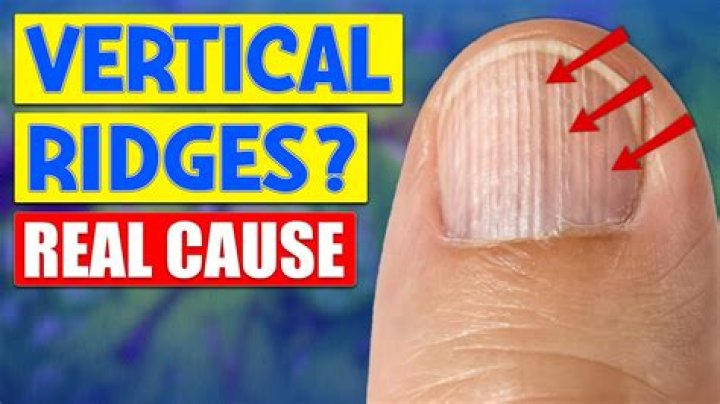
Vertical ridges on nails are a common concern for many people. These raised lines that run from the cuticle to the tip of the nail can sometimes indicate underlying health issues or simply be a natural part of aging. Understanding what causes them and how to manage them is essential for maintaining healthy nails.
Our nails are a reflection of our overall health, and any changes in their appearance can provide valuable insights into what's happening inside our bodies. Vertical ridges, while often harmless, can sometimes signal nutrient deficiencies or other health problems. In this article, we will delve into the causes, symptoms, and solutions for managing vertical ridges on nails.
This comprehensive guide is designed to provide you with actionable insights and expert advice on how to take care of your nails and address any concerns you may have about vertical ridges. Whether you're dealing with this issue for the first time or looking to better understand its implications, you're in the right place.
What Are Nail Vertical Ridges?
Vertical ridges on nails refer to the raised lines or grooves that appear on the surface of the nail plate. These ridges run vertically from the base of the nail near the cuticle to the tip. While they are often harmless, they can sometimes be indicative of underlying health conditions.
These ridges are more common as we age, but they can also occur in younger individuals due to various factors such as nutritional deficiencies or environmental influences. Understanding their causes and effects is crucial for maintaining healthy nails.
Causes of Vertical Ridges
Age-Related Changes
As we age, our nails undergo natural changes. The production of collagen and elastin decreases, which can lead to the development of vertical ridges. This is a normal part of the aging process and is usually not a cause for concern.
Nutritional Deficiencies
A lack of essential vitamins and minerals, such as vitamin B12, iron, or zinc, can contribute to the formation of vertical ridges. Ensuring a balanced diet rich in these nutrients can help maintain nail health.
Medical Conditions
Certain medical conditions, such as psoriasis, eczema, or thyroid disorders, can also cause vertical ridges. If you suspect an underlying health issue, it's important to consult a healthcare professional for proper diagnosis and treatment.
Symptoms Associated with Vertical Ridges
While vertical ridges themselves may not cause discomfort, they can be accompanied by other symptoms, such as:
- Brittle nails
- Discoloration
- Thinning of the nail plate
- Splitting or peeling of the nails
These symptoms can further impact the appearance and strength of your nails, making it important to address the underlying causes.
Diagnosis of Vertical Ridges
If you notice vertical ridges on your nails, it's essential to determine whether they are a normal part of aging or indicative of an underlying health issue. A dermatologist or healthcare provider can evaluate your nails and assess any potential causes.
Diagnosis may involve:
- A thorough examination of the nails
- Review of medical history
- Blood tests to check for nutritional deficiencies or thyroid disorders
Treatment Options
Medical Treatments
If vertical ridges are caused by an underlying medical condition, treating the condition can help improve nail health. For example, managing thyroid disorders or addressing psoriasis can reduce the appearance of ridges.
Nutritional Supplements
In cases where nutritional deficiencies are the cause, supplements such as biotin, vitamin E, or zinc may be recommended. These supplements can support nail growth and strength.
Nail Care Products
Using moisturizing nail creams or ridge fillers can help smooth out the appearance of vertical ridges. These products can also protect the nails from further damage.
Preventing Vertical Ridges
While some causes of vertical ridges, such as aging, are unavoidable, there are steps you can take to prevent or minimize their appearance:
- Maintain a balanced diet rich in vitamins and minerals
- Stay hydrated to keep nails moisturized
- Avoid exposure to harsh chemicals and excessive hand washing
- Use gloves when cleaning or doing household chores
By adopting these habits, you can promote healthier nails and reduce the likelihood of developing vertical ridges.
Nutrition and Nail Health
Nutrition plays a vital role in maintaining healthy nails. Key nutrients that support nail health include:
- Biotin: Helps strengthen nails and reduce brittleness
- Vitamin C: Promotes collagen production for stronger nails
- Zinc: Supports nail growth and repair
- Omega-3 Fatty Acids: Provides moisture and flexibility to nails
Incorporating foods rich in these nutrients into your diet can significantly improve nail health and reduce the risk of developing vertical ridges.
Home Remedies for Vertical Ridges
There are several natural remedies you can try at home to address vertical ridges:
- Soak your nails in a mixture of apple cider vinegar and water to balance pH levels
- Apply coconut oil or almond oil to moisturize and strengthen nails
- Use aloe vera gel to soothe and hydrate the nail bed
These remedies can complement other treatments and provide additional benefits for your nails.
When to See a Doctor
While vertical ridges are often harmless, there are certain situations where it's important to seek medical attention:
- If the ridges are accompanied by pain, swelling, or discoloration
- If you notice sudden changes in nail appearance
- If the ridges interfere with your daily activities
A healthcare professional can provide a proper diagnosis and recommend appropriate treatment options.
Conclusion
Vertical ridges on nails are a common concern that can be caused by a variety of factors, including aging, nutritional deficiencies, and underlying health conditions. By understanding their causes and taking proactive steps to address them, you can maintain healthier nails and improve your overall well-being.
We encourage you to share your thoughts or experiences in the comments below. If you found this article helpful, don't forget to share it with others who might benefit from the information. For more tips on nail care and health, explore our other articles on the site.
References:
- Mayo Clinic. (2021). Nail Ridges: Causes and Treatments. Retrieved from [Mayo Clinic Website]
- Harvard Health Publishing. (2020). Nutrition and Nail Health. Retrieved from [Harvard Health Website]
- American Academy of Dermatology. (2022). Managing Nail Conditions. Retrieved from [AAD Website]



