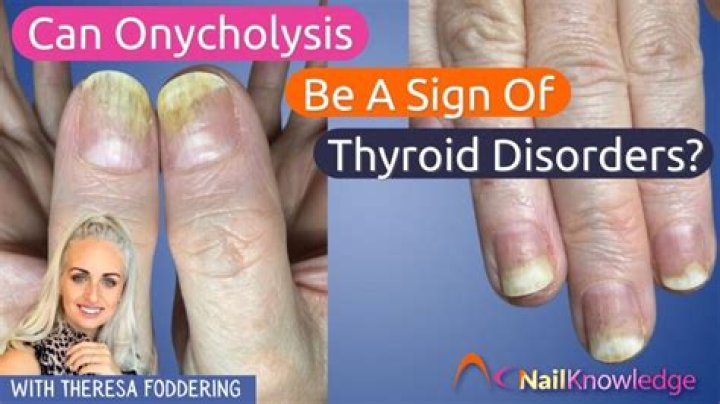
Are you noticing unusual ridges on your nails and wondering if they could be connected to thyroid problems? Many people are surprised to learn that the health of your nails can sometimes reflect deeper issues within your body, including potential thyroid disorders. Nail ridges, which appear as vertical or horizontal lines on the nails, might not always be a cause for concern, but in some cases, they could indicate an underlying health condition. In this article, we will explore the connection between nail ridges and thyroid problems, shedding light on why this relationship matters and what steps you can take to address it.
Thyroid disorders are more common than you might think, affecting millions of people worldwide. These conditions can disrupt the body's hormonal balance, leading to a wide range of symptoms that may manifest in unexpected ways, such as through nail abnormalities. While nail ridges alone are not a definitive indicator of thyroid problems, they can serve as a warning sign that warrants further investigation.
Understanding the link between nail ridges and thyroid health is crucial for anyone who wants to maintain overall wellness. By recognizing the signs early and seeking appropriate medical advice, you can take control of your health and prevent potential complications. Let’s dive deeper into this fascinating topic and uncover the science behind it.
What Are Nail Ridges?
Nail ridges refer to the raised lines or grooves that appear on the surface of the nails. These ridges can either be vertical, running from the base of the nail to the tip, or horizontal, crossing the nail horizontally. While vertical ridges are relatively common and often harmless, horizontal ridges, also known as Beau's lines, may indicate a more serious underlying issue.
Vertical ridges tend to become more prominent with age and are usually not a cause for concern. However, when combined with other symptoms, such as brittle nails or discoloration, they could point to an underlying health condition, including thyroid problems. Understanding the nature of these ridges is the first step in determining whether they warrant medical attention.
Basics of Thyroid Health
The thyroid gland is a butterfly-shaped organ located at the base of the neck. It plays a crucial role in regulating metabolism, energy levels, and overall bodily functions by producing hormones such as thyroxine (T4) and triiodothyronine (T3). When the thyroid produces too much or too little of these hormones, it can lead to conditions like hyperthyroidism or hypothyroidism, respectively.
Hypothyroidism, characterized by an underactive thyroid, is often associated with symptoms such as fatigue, weight gain, and dry skin. On the other hand, hyperthyroidism, marked by an overactive thyroid, can cause weight loss, rapid heartbeat, and anxiety. Both conditions can affect the health of your nails, leading to changes such as ridges, brittleness, or discoloration.
The Connection Between Nail Ridges and Thyroid Problems
Research has shown that there is a potential link between nail ridges and thyroid disorders. Thyroid hormones are essential for maintaining the health of skin, hair, and nails. When these hormones are imbalanced, it can lead to changes in the structure and appearance of the nails.
For instance, individuals with hypothyroidism may experience brittle nails with vertical ridges, while those with hyperthyroidism might notice horizontal ridges or nail separation from the nail bed. Although nail ridges alone are not a definitive sign of thyroid problems, they can serve as an early warning sign that warrants further investigation.
Types of Nail Ridges
There are two main types of nail ridges:
- Vertical Ridges: These are the most common type and typically run from the base of the nail to the tip. They are often associated with aging but can also indicate underlying health issues.
- Horizontal Ridges (Beau's Lines): These ridges cross the nail horizontally and may appear as deep grooves. They are often linked to severe illness, injury, or nutritional deficiencies.
Causes of Nail Ridges Beyond Thyroid Issues
While thyroid problems can cause nail ridges, there are other potential causes as well. These include:
- Aging
- Nutritional deficiencies (e.g., iron, zinc, or vitamin B12)
- Psoriasis
- Repetitive trauma to the nails
- Chemotherapy or radiation therapy
It’s important to consider these factors when evaluating the cause of nail ridges. Consulting a healthcare professional can help determine whether the ridges are related to thyroid problems or another condition.
Diagnosing Thyroid Disorders
Diagnosing thyroid disorders involves a combination of medical history evaluation, physical examination, and laboratory tests. Common tests include:
- Thyroid-stimulating hormone (TSH) test: Measures the level of TSH in the blood to assess thyroid function.
- Thyroxine (T4) test: Evaluates the amount of T4 in the blood to determine whether the thyroid is overactive or underactive.
- Thyroid ultrasound: Provides a detailed image of the thyroid gland to detect abnormalities.
Early diagnosis and treatment of thyroid disorders can prevent complications and improve overall quality of life.
Treating Thyroid-Related Nail Changes
Treating nail changes caused by thyroid problems involves addressing the underlying thyroid disorder. For hypothyroidism, synthetic thyroid hormone replacement therapy is often prescribed. In cases of hyperthyroidism, treatments may include anti-thyroid medications, radioactive iodine therapy, or surgery.
In addition to medical treatment, adopting a healthy lifestyle can support nail and thyroid health. This includes maintaining a balanced diet, staying hydrated, and avoiding habits that can harm the nails, such as biting or excessive use of nail polish remover.
Preventing Nail Ridges and Thyroid Problems
Preventing nail ridges and thyroid problems requires a proactive approach to health. Some preventive measures include:
- Regular medical check-ups to monitor thyroid function
- A nutritious diet rich in vitamins and minerals
- Staying physically active
- Managing stress through relaxation techniques
By prioritizing your overall health, you can reduce the risk of developing nail ridges and thyroid-related issues.
Nutritional Tips for Healthy Nails and Thyroid
Nutrition plays a vital role in maintaining the health of both your nails and thyroid. Key nutrients to focus on include:
- Iron: Essential for red blood cell production and oxygen transport.
- Zinc: Supports immune function and promotes nail growth.
- Vitamin B12: Crucial for nerve function and DNA synthesis.
- Omega-3 fatty acids: Promote skin and nail health.
Incorporating foods rich in these nutrients, such as leafy greens, nuts, seeds, and fatty fish, can help maintain optimal nail and thyroid health.
Expert Advice and Research
Experts in the field of dermatology and endocrinology emphasize the importance of recognizing the connection between nail health and thyroid function. Studies have shown that addressing thyroid imbalances can lead to improvements in nail appearance and overall well-being.
For example, a study published in the Journal of Clinical Endocrinology & Metabolism found that patients with hypothyroidism who received adequate treatment experienced significant improvements in nail ridges and other nail abnormalities. This highlights the importance of seeking medical advice if you notice persistent nail changes.
Kesimpulan
In conclusion, nail ridges can sometimes be an indicator of thyroid problems, particularly when accompanied by other symptoms. Understanding the connection between nail health and thyroid function is essential for early detection and treatment of potential disorders. By maintaining a healthy lifestyle, monitoring your thyroid health, and seeking medical advice when needed, you can take proactive steps to ensure optimal well-being.
We encourage you to share this article with others who may benefit from the information. If you have any questions or experiences to share, feel free to leave a comment below. Additionally, explore our other articles for more insights into health and wellness topics. Together, let’s promote a healthier, happier you!