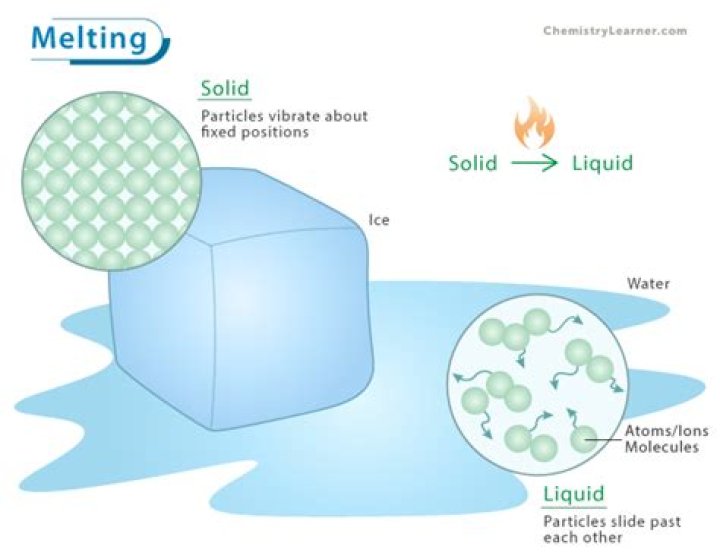
Steel melting is an essential process in modern engineering and manufacturing, where raw materials are transformed into high-quality steel products through advanced metallurgical techniques. This process plays a critical role in shaping industries worldwide, from construction to automotive production. Understanding the science behind steel melting is crucial for engineers, manufacturers, and anyone interested in material science.
Steel has been a cornerstone of human progress for centuries, and its production has evolved significantly over time. The melting of steel allows for the creation of alloys with specific properties tailored to meet diverse industrial needs. From reinforcing bars for construction to high-performance steel for aerospace applications, the versatility of this material is unmatched.
In this article, we will delve into the intricacies of steel melting, exploring the science behind the process, the technologies involved, and its practical applications. Whether you're a professional in the field or simply curious about how steel is produced, this guide will provide you with valuable insights and information.
The Science Behind Melting Steel
Steel melting involves complex physical and chemical processes. At its core, the process transforms raw materials, such as iron ore, scrap metal, and alloying elements, into molten steel. The key to successful steel production lies in controlling the temperature, composition, and purity of the molten material.
Key Factors in Steel Melting
Several factors influence the effectiveness of the steel melting process:
- Temperature Control: Maintaining the optimal temperature ensures that the raw materials are fully melted and mixed.
- Material Composition: The choice of raw materials and alloying elements determines the properties of the final product.
- Purity Levels: Removing impurities such as sulfur and phosphorus is critical for producing high-quality steel.
Understanding these factors is essential for engineers and metallurgists to optimize the steel melting process and achieve desired outcomes.
A Brief History of Steel Melting
The history of steel melting dates back thousands of years, with early civilizations using rudimentary techniques to produce steel. Over time, advancements in technology and metallurgy have revolutionized the process, making it more efficient and precise.
Key Milestones in Steel Melting History
Here are some significant milestones in the development of steel melting:
- 1850s: The Bessemer process was invented, allowing for mass production of steel.
- 1870s: The open-hearth process was introduced, providing better control over steel composition.
- 1950s: The development of the basic oxygen furnace (BOF) further improved efficiency and quality.
These innovations laid the foundation for modern steel production methods.
The Steel Melting Process
The steel melting process typically involves several stages, each designed to refine the material and achieve the desired properties. Below is an overview of the key steps:
Stages of Steel Melting
- Charging: Raw materials, such as iron ore and scrap metal, are loaded into the melting furnace.
- Melting: The materials are heated to high temperatures, typically around 1,500°C, to create molten steel.
- Refining: Impurities are removed, and alloying elements are added to achieve the desired composition.
- Casting: The molten steel is poured into molds to form solid shapes, such as ingots or slabs.
Each stage requires precise control to ensure the quality and consistency of the final product.
Types of Steel Melting Furnaces
Various types of furnaces are used in the steel melting process, each with its own advantages and applications. Below are some of the most common types:
Electric Arc Furnace (EAF)
The EAF is widely used for melting scrap metal and producing high-quality steel. It operates by passing an electric current through the metal, generating intense heat that melts the material.
Basic Oxygen Furnace (BOF)
The BOF is another popular method for steel production. It involves blowing oxygen into molten iron to remove impurities and refine the material.
Induction Furnace
Induction furnaces use electromagnetic induction to heat and melt metal. They are commonly used for smaller-scale production and offer excellent control over the melting process.
Selecting the right furnace type depends on factors such as production scale, material composition, and desired properties.
Applications of Melted Steel
Melted steel finds applications in a wide range of industries due to its versatility and strength. Below are some of the most prominent uses:
Construction Industry
Steel is extensively used in construction for reinforcing structures, building bridges, and creating skyscrapers. Its high strength-to-weight ratio makes it ideal for these applications.
Automotive Industry
In the automotive sector, steel is used to manufacture car frames, body panels, and other components. Its durability and crash resistance make it a preferred choice for vehicle production.
Aerospace Industry
High-performance steel alloys are used in aerospace applications, where materials must withstand extreme conditions and stresses.
These examples highlight the diverse applications of melted steel across various industries.
Challenges in Steel Melting
Despite its importance, steel melting faces several challenges that must be addressed to ensure sustainable production:
Energy Consumption
Steel melting is an energy-intensive process, requiring significant amounts of electricity or fuel. Reducing energy consumption is a key focus for improving efficiency and reducing costs.
Material Quality
Maintaining consistent material quality is crucial for producing reliable steel products. Variations in raw material composition can affect the final product's properties.
Environmental Concerns
The steel industry is one of the largest contributors to greenhouse gas emissions. Implementing cleaner technologies and practices is essential for reducing the environmental impact.
Addressing these challenges requires ongoing research and innovation in steel production methods.
Environmental Impact and Sustainability
The environmental impact of steel melting is a growing concern, prompting efforts to develop more sustainable production methods. Below are some strategies being implemented:
Recycling Steel
Recycling scrap metal reduces the need for raw materials and lowers energy consumption. It also helps minimize waste and conserve natural resources.
Carbon Capture and Storage
Technologies such as carbon capture and storage (CCS) are being explored to reduce emissions from steel production facilities.
Renewable Energy
Using renewable energy sources, such as wind and solar power, can significantly reduce the carbon footprint of steel melting operations.
These initiatives aim to create a more sustainable future for the steel industry.
Innovations in Steel Melting Technology
Advancements in technology continue to drive innovation in steel melting. Below are some notable developments:
Smart Furnaces
Smart furnaces equipped with sensors and automation systems allow for real-time monitoring and control of the melting process, improving efficiency and reducing waste.
Advanced Alloys
Research into advanced steel alloys is leading to the development of materials with improved properties, such as increased strength and corrosion resistance.
Nanotechnology
Nanotechnology is being explored to enhance the performance of steel products at the molecular level, offering new possibilities for material science.
These innovations have the potential to transform the steel industry and open up new opportunities for growth.
Economic Aspects of Steel Melting
The economics of steel melting are influenced by factors such as raw material costs, energy prices, and market demand. Below are some key considerations:
Raw Material Costs
The cost of raw materials, such as iron ore and scrap metal, is a significant factor in steel production economics. Fluctuations in global commodity prices can impact profitability.
Energy Prices
Energy costs account for a substantial portion of steel production expenses. Efficient energy management is critical for maintaining competitiveness.
Market Demand
Steel demand varies across regions and industries, affecting production levels and pricing strategies. Understanding market trends is essential for success in the steel industry.
Managing these economic factors is crucial for ensuring the viability of steel melting operations.
The Future of Steel Melting
As technology continues to evolve, the future of steel melting looks promising. Advances in automation, artificial intelligence, and renewable energy are expected to drive further improvements in efficiency and sustainability.
Looking ahead, the steel industry will likely focus on:
- Developing cleaner production methods.
- Expanding the use of recycled materials.
- Exploring new applications for advanced steel alloys.
By embracing innovation and sustainability, the steel industry can continue to meet the needs of a rapidly changing world.
Conclusion
In conclusion, steel melting is a vital process that underpins modern engineering and manufacturing. From its historical roots to current advancements, the science and technology behind steel production continue to evolve. Understanding the key factors, challenges, and innovations in steel melting is essential for anyone involved in the industry.
We invite you to share your thoughts and experiences in the comments below. For more insights into material science and engineering, explore our other articles on the site. Together, let's shape the future of steel production and contribute to a sustainable world.




