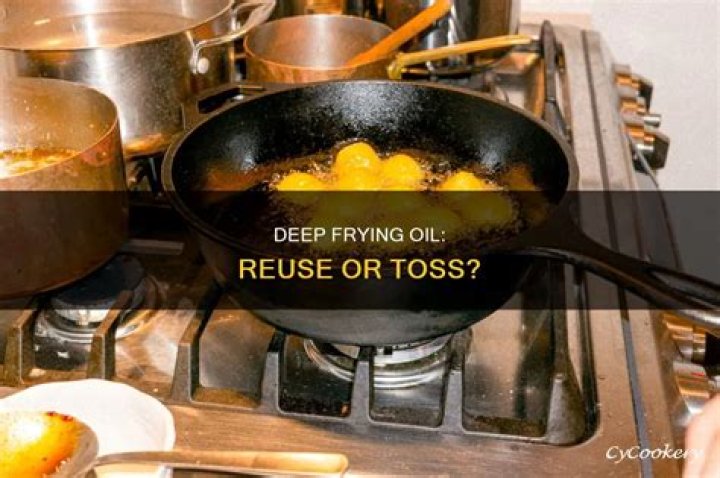
Deep frying oil reuse has become a popular topic among home cooks and professional chefs alike. Many people are looking for ways to save money while ensuring food safety and maintaining the quality of their fried dishes. But how many times can you reuse frying oil before it becomes unsafe? This article will explore the science behind reusing cooking oil, tips for proper handling, and the best practices to ensure your food stays delicious and safe.
Deep frying is an art that requires precision and knowledge. Whether you're frying chicken, french fries, or donuts, the oil you use plays a critical role in the taste and texture of your food. However, with the rising cost of cooking oil and growing concerns about waste, learning how to safely reuse frying oil can make a significant difference in your kitchen.
In this guide, we will delve into the dos and don'ts of reusing frying oil, provide expert tips, and answer common questions to help you make the most of your cooking oil without compromising safety or flavor. Let's dive in!
Benefits of Reusing Deep Frying Oil
Reusing deep frying oil offers several advantages, especially for those who fry food regularly. Here are some of the key benefits:
Cost Savings
One of the most significant advantages of reusing cooking oil is the cost savings. High-quality frying oils, such as peanut oil or avocado oil, can be expensive. By reusing oil multiple times, you can significantly reduce your grocery expenses while maintaining the quality of your fried dishes.
Environmental Impact
Properly reusing and disposing of cooking oil can help reduce waste and minimize environmental damage. When cooking oil is discarded improperly, it can clog drains and harm aquatic ecosystems. Reusing oil responsibly ensures that you are doing your part to protect the planet.
Consistency in Flavor
Believe it or not, reusing frying oil can enhance the flavor of your food. Over time, the oil absorbs flavors from the ingredients you fry, which can add depth and complexity to your dishes. However, this benefit only applies if the oil is properly maintained and not overused.
The Science Behind Reusing Cooking Oil
When you reuse cooking oil, several chemical changes occur that can affect its quality and safety. Understanding these changes is essential for making informed decisions about how many times you can reuse frying oil.
Thermal Degradation
As oil is heated repeatedly, it undergoes thermal degradation, which can lead to the formation of harmful compounds such as acrylamides and aldehydes. These compounds not only affect the taste and smell of the oil but can also pose health risks if consumed in large quantities.
Oxidation
Oxidation occurs when oil reacts with oxygen in the air, causing it to break down and produce off-flavors. To minimize oxidation, it's important to store used oil in airtight containers away from light and heat.
Smoke Point
Each type of oil has a specific smoke point, which is the temperature at which it begins to break down and produce smoke. Reusing oil lowers its smoke point, so it's crucial to monitor the temperature carefully to avoid burning the oil or creating harmful fumes.
Potential Risks of Reusing Frying Oil
While reusing frying oil can save money and reduce waste, there are potential risks involved if it's not done properly. Here are some of the risks you should be aware of:
Food Safety Concerns
Reused oil can harbor bacteria and other contaminants if it's not strained and stored correctly. Always ensure that the oil is free of food particles and debris before storing it for future use.
Health Implications
Repeatedly heating oil can lead to the formation of harmful compounds that may increase the risk of certain health conditions, such as heart disease and cancer. Limiting the number of times you reuse oil and choosing stable oils with high smoke points can help mitigate these risks.
Quality Degradation
Over time, reused oil can lose its original flavor and aroma, affecting the taste of your dishes. To maintain the quality of your fried foods, it's important to replace the oil when it starts to look or smell off.
Tips for Safe Reuse of Deep Frying Oil
Following these tips can help you safely and effectively reuse frying oil while minimizing risks:
- Strain the oil through a fine mesh sieve or cheesecloth to remove food particles.
- Store the oil in a clean, airtight container away from light and heat.
- Use a thermometer to monitor the temperature and avoid overheating the oil.
- Limit the number of times you reuse oil to prevent degradation and the formation of harmful compounds.
- Choose oils with high smoke points, such as peanut oil or canola oil, for better durability.
Proper Storage of Used Cooking Oil
Proper storage is crucial for extending the life of your frying oil. Here are some best practices for storing used cooking oil:
Use the Right Container
Select a container made of glass or food-grade plastic that is resistant to oil degradation. Avoid using metal containers, as they can react with the oil and cause spoilage.
Keep It Cool and Dark
Store the oil in a cool, dark place, such as a pantry or cupboard, to slow down oxidation and preserve its quality. Avoid exposing the oil to direct sunlight or heat sources.
Label and Date the Container
Label the container with the type of oil and the date it was last used. This will help you keep track of how many times the oil has been reused and ensure that you use the oldest oil first.
How Many Times Can You Reuse Deep Frying Oil?
The number of times you can safely reuse frying oil depends on several factors, including the type of oil, the temperature, and the foods being fried. As a general rule, most oils can be reused 3-5 times before they start to degrade significantly. However, it's important to monitor the oil's appearance, smell, and taste after each use to determine when it's time to replace it.
Alternatives to Reusing Frying Oil
If reusing frying oil isn't an option for you, consider these alternatives:
Oil Recycling Programs
Many communities offer oil recycling programs that convert used cooking oil into biodiesel or other useful products. Check with your local waste management facility to see if such programs are available in your area.
Composting
Small amounts of oil can be composted, but it's important to do so in moderation and only if your compost system can handle grease. Avoid adding large quantities of oil to your compost, as it can attract pests and slow down the decomposition process.
Proper Disposal
If you choose not to reuse or recycle your oil, dispose of it properly by sealing it in a non-recyclable container and placing it in the trash. Never pour oil down the drain, as it can cause clogs and environmental damage.
Frequently Asked Questions About Deep Frying Oil Reuse
Can You Reuse Oil After Frying Chicken?
Yes, you can reuse oil after frying chicken, but it's important to strain it thoroughly to remove any food particles. Chicken oil can also add flavor to future batches, but be cautious of how many times you reuse it.
How Do You Know When to Replace Frying Oil?
Signs that it's time to replace frying oil include a dark color, a strong smell, or a noticeable change in taste. If the oil starts smoking at lower temperatures, it's also a good indicator that it's time for a fresh batch.
Is Reusing Oil Unhealthy?
Reusing oil in moderation is not inherently unhealthy, but repeated heating can lead to the formation of harmful compounds. To minimize health risks, limit the number of times you reuse oil and choose stable oils with high smoke points.
Sources and References
For more information on deep frying oil reuse, refer to the following sources:
- USDA Food Safety and Inspection Service - https://www.fsis.usda.gov/
- Harvard T.H. Chan School of Public Health - https://www.hsph.harvard.edu/
- Food and Drug Administration (FDA) - https://www.fda.gov/
Conclusion
Reusing deep frying oil can be a cost-effective and environmentally friendly practice if done correctly. By understanding the science behind oil degradation, following proper storage techniques, and monitoring the quality of your oil, you can safely reuse it multiple times without compromising the taste or safety of your food.
We encourage you to share your thoughts and experiences with frying oil reuse in the comments below. For more tips and guides on cooking and food safety, explore our other articles and stay informed!