Configuring wpa_supplicant on Raspberry Pi is essential for establishing secure and reliable Wi-Fi connections. Whether you're a hobbyist or a professional developer, understanding how wpa_supplicant works can significantly enhance your networking experience. This powerful tool allows you to manage Wi-Fi configurations with ease, ensuring seamless connectivity in various environments.
In today's interconnected world, the Raspberry Pi has become a popular choice for countless projects, from home automation to IoT applications. However, setting up Wi-Fi connectivity can sometimes be challenging, especially for beginners. That's where wpa_supplicant comes into play. This robust software enables users to configure and manage Wi-Fi networks securely and efficiently.
This article will delve deep into the functionality of wpa_supplicant on Raspberry Pi, providing step-by-step instructions, best practices, and troubleshooting tips. By the end, you'll have a solid understanding of how to optimize your Raspberry Pi's Wi-Fi performance using wpa_supplicant.
Introduction to wpa_supplicant
wpa_supplicant is a widely-used software utility designed to handle Wi-Fi Protected Access (WPA) and WPA2 protocols. It plays a crucial role in managing Wi-Fi connections on devices like Raspberry Pi. Developed by Jouni Malinen, wpa_supplicant supports a variety of Wi-Fi security standards, making it indispensable for secure network configurations.
One of the key advantages of wpa_supplicant is its ability to work across different operating systems and hardware platforms. On Raspberry Pi, it serves as the backbone for establishing Wi-Fi connections, whether for personal or industrial applications. By leveraging wpa_supplicant, users can ensure robust and secure network access, which is vital for modern computing needs.
According to a report by Statista, the global IoT market is expected to grow exponentially, with billions of connected devices by 2025. In this context, mastering wpa_supplicant on Raspberry Pi becomes even more critical, as it enables developers to create reliable IoT solutions with secure Wi-Fi connectivity.
Setting Up wpa_supplicant on Raspberry Pi
Setting up wpa_supplicant on Raspberry Pi involves a few straightforward steps. First, ensure that your Raspberry Pi is running the latest version of Raspberry Pi OS. This ensures compatibility and access to the latest features and security updates.
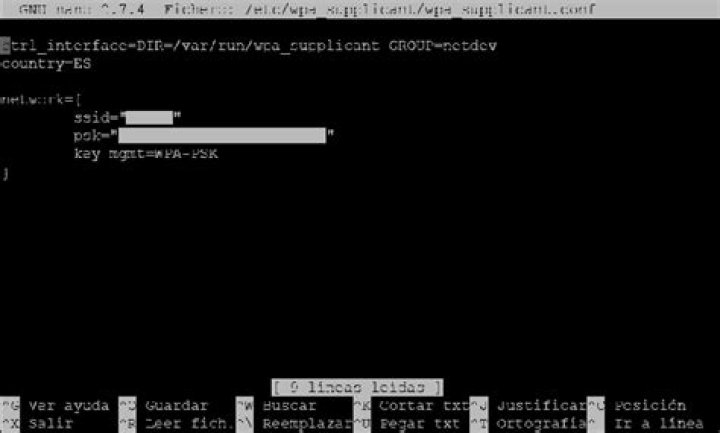
Next, locate the wpa_supplicant configuration file, typically found at /etc/wpa_supplicant/wpa_supplicant.conf. If the file doesn't exist, you can create it using a text editor like nano or vi. Within this file, you'll define the network settings and security parameters required for your Wi-Fi connection.
To apply the changes, restart the networking service or reboot your Raspberry Pi. This ensures that the new settings are loaded and applied correctly. For a smoother setup process, consider using the Raspberry Pi Imager tool to preconfigure Wi-Fi settings before flashing the operating system onto your SD card.
Understanding wpa_supplicant Configuration File
Network Blocks
The wpa_supplicant configuration file uses network blocks to define Wi-Fi network settings. Each network block contains parameters such as SSID, password, and security protocol. Below is an example of a basic network block:
- ssid="YourNetworkName"
- psk="YourPassword"
- key_mgmt=WPA-PSK
These parameters ensure that your Raspberry Pi connects to the specified Wi-Fi network securely. You can add multiple network blocks to connect to different networks, which is particularly useful for roaming devices.
Security Settings
Security settings in wpa_supplicant are crucial for protecting your network connections. The key_mgmt parameter specifies the security protocol to use, such as WPA-PSK for personal networks or WPA-EAP for enterprise networks.
Additionally, you can configure encryption methods like TKIP or CCMP to enhance security. It's important to choose the appropriate settings based on your network requirements and the capabilities of your Wi-Fi hardware.
Connecting to Wi-Fi Networks
Once the wpa_supplicant configuration is set up, connecting to Wi-Fi networks becomes a seamless process. Simply ensure that the configuration file contains the correct network settings, and your Raspberry Pi will automatically connect to the specified Wi-Fi network upon boot.
For troubleshooting purposes, you can use the wpa_cli command-line tool to interact with wpa_supplicant. This tool allows you to scan for available networks, connect to specific networks, and monitor connection status in real-time.
Remember to test your connection by pinging a known website or IP address. This confirms that your Raspberry Pi has successfully established a connection to the Wi-Fi network and can access the internet.
Advanced Features of wpa_supplicant
Roaming and Handover
wpa_supplicant supports advanced features like roaming and handover, which are essential for maintaining connectivity in multi-access point environments. These features allow your Raspberry Pi to seamlessly switch between access points as you move around, ensuring uninterrupted network access.
To enable roaming, configure the wpa_supplicant settings to prioritize networks based on signal strength or other criteria. This ensures that your device always connects to the most optimal network available.
Enterprise Network Support
For enterprise environments, wpa_supplicant provides robust support for EAP-based authentication methods. This includes protocols like EAP-TLS, EAP-TTLS, and PEAP, which are commonly used in corporate Wi-Fi networks.
Configuring enterprise network support requires additional parameters in the wpa_supplicant configuration file, such as certificate paths and authentication credentials. Ensure that you follow your organization's security guidelines when setting up these parameters.
Troubleshooting Common Issues
While wpa_supplicant is a powerful tool, issues may arise during configuration or operation. Common problems include incorrect network settings, security mismatches, and hardware compatibility issues.
To troubleshoot these issues, start by checking the wpa_supplicant logs for error messages. These logs provide valuable insights into what might be causing the problem. Additionally, verify that your Wi-Fi hardware is functioning correctly and that the firmware is up to date.
If the issue persists, consult the official wpa_supplicant documentation or seek assistance from the Raspberry Pi community forums. Often, others have encountered similar problems and can offer effective solutions.
Best Practices for Secure Connections
Securing your Wi-Fi connections is paramount, especially in today's threat landscape. Follow these best practices to ensure that your Raspberry Pi remains protected:
- Use strong, unique passwords for your Wi-Fi networks.
- Enable WPA3 security if supported by your hardware.
- Regularly update your Raspberry Pi OS and wpa_supplicant software.
- Limit access to sensitive network settings and configuration files.
By adhering to these practices, you can minimize the risk of unauthorized access and protect your data from potential breaches.
Optimizing wpa_supplicant Performance
Optimizing wpa_supplicant performance involves fine-tuning its settings to match your specific use case. For example, you can adjust the scan interval to balance between connectivity speed and power consumption.
Additionally, consider disabling unused features or protocols to reduce overhead and improve performance. This is particularly important for resource-constrained devices like the Raspberry Pi.
Regularly monitor your network connections and adjust settings as needed to ensure optimal performance. Tools like wpa_cli and iwconfig can help you analyze network performance and identify potential bottlenecks.
Integrating wpa_supplicant with Other Applications
wpa_supplicant can be integrated with various applications to enhance functionality. For example, in IoT projects, you can combine wpa_supplicant with MQTT brokers to enable secure communication between devices.
Furthermore, you can automate network configuration using scripts or APIs, allowing for dynamic adjustments based on environmental conditions or user preferences. This flexibility makes wpa_supplicant a versatile tool for a wide range of applications.
Explore the documentation and community resources to discover innovative ways to integrate wpa_supplicant into your projects.
Conclusion and Next Steps
In conclusion, mastering wpa_supplicant on Raspberry Pi empowers you to establish secure and reliable Wi-Fi connections for your projects. By understanding its configuration options, advanced features, and best practices, you can optimize network performance and enhance security.
We encourage you to experiment with wpa_supplicant and explore its capabilities further. Share your experiences and insights in the comments section below, and don't hesitate to reach out if you have any questions or need assistance. For more in-depth knowledge, consider exploring related topics such as network security and IoT development.
Thank you for reading, and happy tinkering with your Raspberry Pi!



