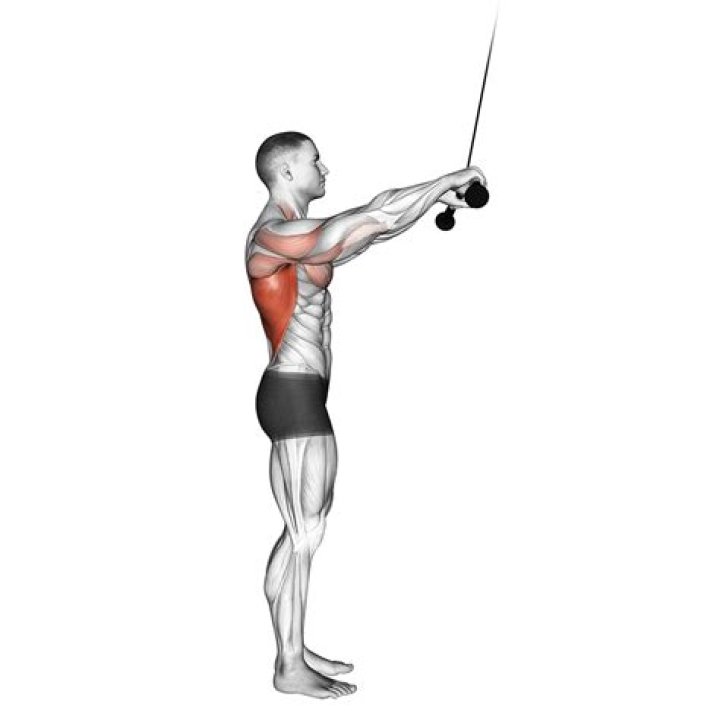
When it comes to building a stronger and more defined back, the standing lats pull down is one of the most effective exercises you can incorporate into your fitness routine. This versatile exercise targets the latissimus dorsi muscles, commonly referred to as the "lats," while also engaging other key muscle groups. Whether you're a beginner or an experienced gym-goer, mastering the standing lats pull down can significantly enhance your back development and overall strength.
Many people overlook the importance of targeting the back muscles during workouts, but a well-developed back is crucial for maintaining proper posture, preventing injuries, and achieving a balanced physique. The standing lats pull down offers a unique variation of the traditional lat pull-down, allowing for greater engagement and control. This exercise is especially beneficial for those who want to improve their upper body strength and sculpt a V-shaped torso.
In this comprehensive guide, we will explore everything you need to know about the standing lats pull down, including proper form, common mistakes to avoid, variations of the exercise, and tips for maximizing results. By the end of this article, you will have a solid understanding of how to incorporate this exercise into your fitness regimen effectively and safely.
What is Standing Lats Pull Down?
The standing lats pull down is a resistance-based exercise that primarily targets the latissimus dorsi muscles, which are the largest muscles in the back. Unlike the traditional seated lat pull-down, this variation allows you to perform the movement while standing, offering a unique challenge and engagement for your core and stabilizing muscles.
This exercise can be performed using a cable machine with a lat pull-down bar or a resistance band. It is particularly beneficial for those who want to develop greater control over the movement and engage their lower body for better stability. The standing lats pull down is a great addition to any back-focused workout routine.
How Does It Differ From Seated Lat Pull Down?
While both exercises target the same muscle groups, the standing lats pull down requires more core engagement and balance. Here are some key differences:
- Core Activation: Standing requires more core engagement compared to the seated version.
- Stabilization: You need to stabilize your body while pulling the bar down, which works your legs and glutes.
- Range of Motion: The standing variation may offer a slightly different range of motion, depending on your stance and posture.
Benefits of Standing Lats Pull Down
There are numerous benefits to incorporating the standing lats pull down into your workout routine. Below are some of the most significant advantages:
1. Improved Back Strength
The standing lats pull down effectively strengthens the latissimus dorsi muscles, which are responsible for pulling movements and overall back strength. Strong lats contribute to better posture and reduced risk of back injuries.
2. Enhanced Core Stability
Since the exercise is performed in a standing position, it challenges your core muscles to maintain balance and stability throughout the movement. This added core engagement can lead to improved overall core strength.
3. Greater Muscle Activation
By incorporating your lower body for stabilization, the standing lats pull down activates more muscle groups compared to the seated version. This makes it a more comprehensive exercise for full-body development.
Proper Technique for Standing Lats Pull Down
Mastering the proper technique is crucial for maximizing the benefits of the standing lats pull down while minimizing the risk of injury. Follow these steps to perform the exercise correctly:
- Set up the cable machine with the lat pull-down bar at the highest position.
- Stand with your feet shoulder-width apart and grip the bar with a wide overhand grip.
- Engage your core and keep your back straight throughout the movement.
- Pull the bar down towards your chest, focusing on squeezing your shoulder blades together.
- Slowly return the bar to the starting position, ensuring a controlled movement.
Key Tips for Proper Form
- Avoid using momentum to pull the bar down; focus on controlled movements.
- Keep your elbows close to your body during the pull to maximize lat engagement.
- Maintain a neutral spine and avoid arching your back.
Common Mistakes to Avoid
Even with proper technique, it's easy to fall into common mistakes that can reduce the effectiveness of the exercise or lead to injury. Here are some mistakes to watch out for:
1. Using Too Much Weight
Lifting weights that are too heavy can lead to poor form and increase the risk of injury. Start with a manageable weight and gradually increase as you become more comfortable with the movement.
2. Rounding Your Back
Rounding your back during the exercise can strain your spine and reduce the effectiveness of the movement. Always maintain a straight back and engage your core for stability.
3. Ignoring the Eccentric Phase
The eccentric phase, or the lowering of the bar, is just as important as the concentric phase. Control the descent to fully engage your muscles and prevent injury.
Variations of Standing Lats Pull Down
There are several variations of the standing lats pull down that you can incorporate into your routine to keep your workouts fresh and challenging. Here are a few examples:
1. Resistance Band Standing Lats Pull Down
This variation uses a resistance band instead of a cable machine, making it a convenient option for home workouts. Simply anchor the band at a high point and perform the exercise as you would with a cable machine.
2. Single-Arm Standing Lats Pull Down
Performing the exercise with one arm at a time can help target each side of your back more effectively, promoting balanced muscle development.
3. Wide-Grip vs. Close-Grip
Experimenting with different grip widths can emphasize different parts of your back muscles. A wide grip focuses more on the lats, while a close grip targets the upper back and rear deltoids.
Muscles Worked During Standing Lats Pull Down
The standing lats pull down is a compound exercise that targets multiple muscle groups. Here are the primary muscles worked during the movement:
- Latissimus Dorsi (Lats)
- Rhomboids
- Trapezius
- Posterior Deltoids
- Biceps
- Core
In addition to these primary muscles, the exercise also engages the legs and glutes for stability, making it a comprehensive full-body workout.
Incorporating Standing Lats Pull Down into Your Workout Routines
Adding the standing lats pull down to your workout routine can significantly enhance your back development. Here are some sample routines to consider:
1. Back-Focused Routine
- Standing Lats Pull Down: 3 sets of 10-12 reps
- Barbell Rows: 3 sets of 8-10 reps
- Pull-Ups: 3 sets of 6-8 reps
- Face Pulls: 3 sets of 12-15 reps
2. Full-Body Routine
- Standing Lats Pull Down: 3 sets of 10-12 reps
- Squats: 3 sets of 8-10 reps
- Bench Press: 3 sets of 8-10 reps
- Deadlifts: 3 sets of 6-8 reps
Tips for Maximizing Results
To get the most out of your standing lats pull down workouts, consider the following tips:
1. Focus on Form
Prioritize proper form over lifting heavier weights. This will ensure that you are effectively targeting the intended muscle groups and reducing the risk of injury.
2. Progressive Overload
Gradually increase the weight or resistance over time to continue challenging your muscles and promoting growth.
3. Consistency is Key
Regularly incorporating the standing lats pull down into your routine will yield better results over time. Consistency and dedication are essential for achieving your fitness goals.
Frequently Asked Questions
1. Can Beginners Perform the Standing Lats Pull Down?
Yes, beginners can perform the standing lats pull down with proper guidance and starting with lighter weights. It's important to focus on mastering the technique before increasing the resistance.
2. How Often Should I Perform This Exercise?
Aim to perform the standing lats pull down 2-3 times per week as part of your back-focused workouts. Allow for adequate rest and recovery between sessions.
3. Can I Use Resistance Bands Instead of a Cable Machine?
Yes, resistance bands are a great alternative to cable machines and can be used to perform the standing lats pull down effectively.
Conclusion
The standing lats pull down is an excellent exercise for building a stronger and more defined back. By incorporating this movement into your fitness routine, you can enhance your upper body strength, improve your posture, and achieve a balanced physique. Remember to focus on proper form, gradually increase the resistance, and remain consistent in your efforts.
We encourage you to share your experiences with the standing lats pull down in the comments below. Have you tried this exercise before? What variations do you enjoy the most? Don't forget to check out our other articles for more tips and guidance on your fitness journey.




