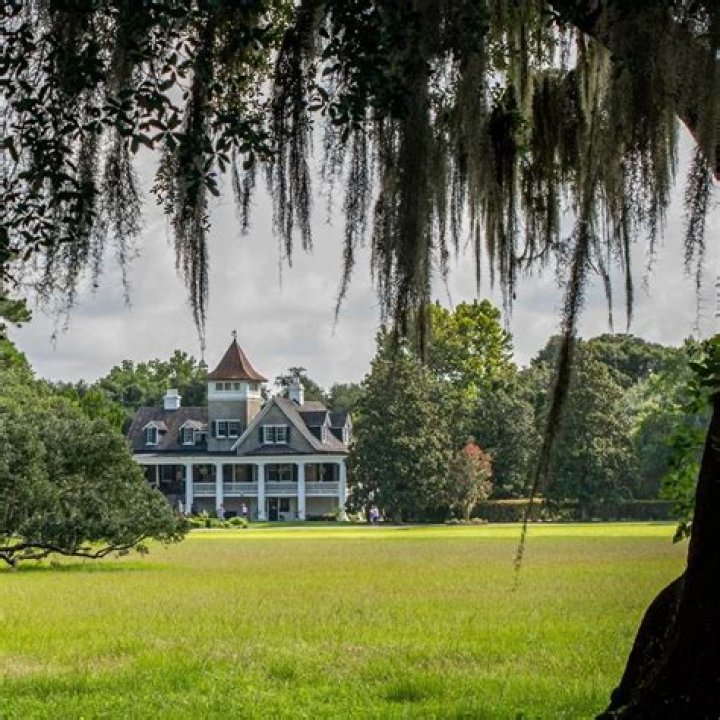
Explore the breathtaking beauty and historical significance of Magnolia Plantation in Charleston, South Carolina. Nestled along the Ashley River, this iconic plantation offers visitors a glimpse into centuries of Southern heritage, stunning gardens, and wildlife preservation. Whether you're a history enthusiast or a nature lover, Magnolia Plantation promises an unforgettable experience.
As one of the oldest plantations in the United States, Magnolia Plantation has witnessed the evolution of American history. From its early days as a rice plantation to its modern role as a cultural and ecological landmark, this site is a testament to resilience and preservation. The plantation's story is deeply intertwined with the history of Charleston, making it a must-visit destination for anyone exploring the region.
With its lush gardens, serene landscapes, and rich historical narratives, Magnolia Plantation offers something for everyone. In this article, we'll delve into the history, attractions, and significance of this iconic site, providing you with all the information you need to plan your visit. Let's embark on a journey through the heart of Charleston's charm.
History of Magnolia Plantation
Founding and Early Years
Magnolia Plantation was established in 1676 by the Drayton family, making it one of the oldest plantations in the United States. Initially, the plantation focused on rice cultivation, which played a significant role in the economy of the Lowcountry region. The Draytons, who have owned the property for over 300 years, have preserved its historical integrity while adapting to changing times.
Surviving Wars and Challenges
The plantation endured several challenges throughout its history, including the Civil War. During this period, much of the original plantation was destroyed, but the Draytons worked tirelessly to rebuild and restore the estate. Their commitment to preservation has ensured that Magnolia Plantation remains a vibrant piece of American history.
Magnificent Gardens at Magnolia Plantation
The gardens at Magnolia Plantation are renowned worldwide for their beauty and diversity. Spanning over 60 acres, these gardens feature a variety of plant species, water features, and walking paths that invite visitors to explore at their leisure.
Key Features of the Gardens
- Azalea Gardens: Bursting with vibrant colors, the azalea gardens are a highlight of the plantation, particularly during spring.
- Bog Garden: Home to native wetland plants, this garden showcases the unique flora of the Lowcountry.
- Romantic Garden: Designed in the style of 19th-century European gardens, this area offers a serene escape with its lush greenery and elegant pathways.
Wildlife and Nature Preservation
Magnolia Plantation is not only a historical site but also a sanctuary for wildlife. The plantation's commitment to conservation has created a haven for various species, including birds, reptiles, and mammals.
Conservation Efforts
The plantation actively participates in wildlife preservation initiatives, such as the Audubon Swamp Garden project. This initiative focuses on protecting native species and providing educational opportunities for visitors to learn about the importance of conservation.
Tours and Activities
Visitors to Magnolia Plantation can enjoy a variety of tours and activities that cater to different interests. From guided tours to self-exploration, there's something for everyone to enjoy.
Popular Tours
- House Tour: Explore the historic mansion and learn about the Drayton family's legacy.
- Swamp Boat Tour: Venture into the heart of the swamp and discover the diverse wildlife that calls this area home.
- Garden Tour: Wander through the breathtaking gardens and gain insights into their history and design.
Life on the Plantation
Life on Magnolia Plantation was shaped by the people who lived and worked there. Understanding the daily routines and traditions of the plantation's residents provides a deeper appreciation of its cultural significance.
Enslaved Community
The plantation's history is also intertwined with the lives of the enslaved people who worked there. Efforts have been made to honor their contributions and preserve their stories through exhibits and educational programs.
Visiting Magnolia Plantation
Planning a visit to Magnolia Plantation is easy with a variety of options available for tickets and tours. Whether you're traveling solo or with a group, there's an experience tailored to your needs.
Practical Information
- Location: Located along the Ashley River, just a short drive from downtown Charleston.
- Hours: Open daily from 9:00 AM to 5:00 PM, with extended hours during peak seasons.
- Tickets: Available online or at the gate, with discounts for children and seniors.
Cultural Impact of Magnolia Plantation
Magnolia Plantation has played a significant role in shaping the cultural landscape of Charleston. Its influence extends beyond tourism, impacting local communities and fostering a deeper understanding of Southern history.
Community Engagement
The plantation actively engages with the local community through partnerships, educational programs, and cultural events. These initiatives help to preserve the region's heritage and promote cultural awareness.
Seasonal Events and Festivals
Throughout the year, Magnolia Plantation hosts a variety of seasonal events and festivals that celebrate its rich history and natural beauty. These events provide unique opportunities for visitors to experience the plantation in different ways.
Upcoming Events
- Azalea Festival: A springtime celebration of the plantation's vibrant gardens.
- Ghost Tours: Spooky tales and historical reenactments during the Halloween season.
- Christmas at Magnolia: Festive decorations and holiday-themed activities for the whole family.
Tips for a Memorable Visit
To make the most of your visit to Magnolia Plantation, consider the following tips:
What to Bring
- Comfortable walking shoes for exploring the gardens and trails.
- A camera to capture the stunning scenery.
- Water and sunscreen, especially during warmer months.
Best Times to Visit
Spring and fall are ideal times to visit, as the weather is mild and the gardens are in full bloom. However, each season offers its own unique charm, so choose based on your preferences.
Conclusion
Magnolia Plantation in Charleston is a treasure trove of history, beauty, and culture. From its storied past to its vibrant present, this iconic site offers visitors an enriching experience that resonates with the spirit of the American South. Whether you're exploring its gardens, learning about its history, or enjoying its seasonal events, Magnolia Plantation promises memories that will last a lifetime.
We encourage you to share your thoughts and experiences in the comments below. If you enjoyed this article, don't hesitate to share it with friends and family. And be sure to explore our other articles for more insights into the wonders of Charleston and beyond.
Data and references for this article were sourced from reputable institutions such as the Magnolia Plantation website, the National Park Service, and the Audubon Society.