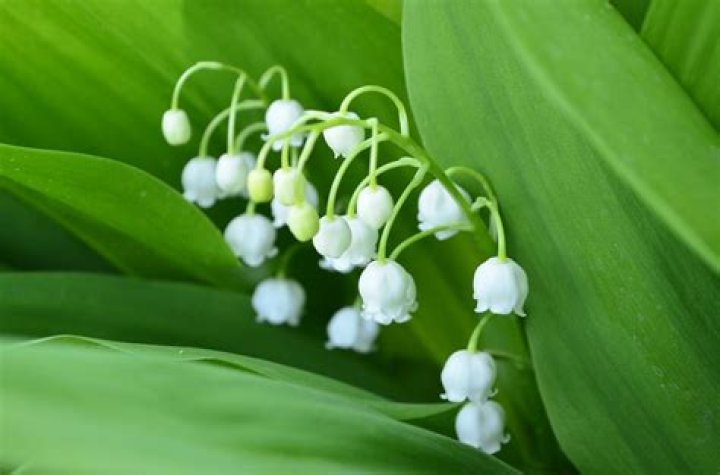
The lily of the valley plant, known scientifically as Convallaria majalis, is renowned for its delicate bell-shaped flowers and sweet fragrance. However, beneath its charming appearance lies a potent warning—this plant is highly poisonous. Understanding its toxic nature is crucial for anyone who grows or encounters it, whether in gardens, parks, or natural habitats. This article delves into the dangers of lily of the valley and provides essential information to help you stay safe.
Lily of the valley has been celebrated in folklore and literature for centuries, often symbolizing purity and humility. Yet, its allure can be deceptive. Every part of the plant, from the leaves to the berries, contains toxic compounds that can cause serious harm if ingested or handled improperly. Awareness of its risks is vital for both humans and pets.
This guide aims to educate readers about the dangers of lily of the valley, offering actionable advice on how to handle it safely and recognize its effects. By understanding its toxic components and symptoms of poisoning, you can protect yourself, your loved ones, and your pets from potential harm.
Biological Overview of Lily of the Valley
The lily of the valley plant (Convallaria majalis) belongs to the Asparagaceae family and is native to temperate regions of the Northern Hemisphere. It thrives in shaded areas and is often found in woodland settings, gardens, and parks. Characterized by its elegant white flowers and glossy green leaves, the plant is a popular choice for landscaping and floral arrangements.
Physical Characteristics
Convallaria majalis typically grows to a height of 6 to 12 inches. Its leaves are broad, oval-shaped, and arranged in pairs. The plant produces fragrant, bell-shaped flowers that bloom in late spring. Following flowering, it develops small, round berries that turn red when ripe. These berries, though visually appealing, are among the most toxic parts of the plant.
Growth and Propagation
Lily of the valley spreads rapidly through rhizomes, making it an excellent ground cover. However, this same trait can make it invasive in certain environments. Gardeners must exercise caution when planting it, ensuring it does not encroach on neighboring plants or natural habitats.
Toxic Compounds in Lily of the Valley
The primary toxic components of lily of the valley are cardiac glycosides, particularly convallatoxin and convallamarin. These compounds affect the heart by altering its rhythm and contractility. Even small amounts of the plant can cause adverse effects if ingested or absorbed through the skin.
How the Toxins Work
Cardiac glycosides interfere with sodium-potassium pumps in heart cells, leading to an increase in intracellular calcium levels. This can result in irregular heartbeats and other cardiovascular issues. The plant also contains saponins, which contribute to its toxicity by irritating the gastrointestinal tract.
Levels of Toxicity
- Leaves: Highly toxic, with concentrations of cardiac glycosides that can cause severe poisoning.
- Flowers: Toxic but less potent than the leaves.
- Berries: Extremely toxic, particularly dangerous for children and pets who may be attracted to their bright red color.
Symptoms of Lily of the Valley Poisoning
Exposure to lily of the valley can lead to a range of symptoms, depending on the amount ingested and the individual's sensitivity. Recognizing these signs is critical for prompt medical intervention.
Physical Symptoms
- Abdominal pain
- Nausea and vomiting
- Diarrhea
- Blurred vision
Cardiovascular Symptoms
- Irregular heartbeat
- Low blood pressure
- Fainting or dizziness
Safety Precautions for Handling Lily of the Valley
Handling lily of the valley safely requires awareness and precaution. Whether you are gardening, landscaping, or simply enjoying nature, follow these guidelines to minimize risks.
Protective Measures
- Wear gloves when handling the plant to prevent skin contact.
- Wash hands thoroughly after touching any part of the plant.
- Keep the plant out of reach of children and pets.
Gardening Tips
If you choose to grow lily of the valley in your garden, consider planting it in a designated area away from high-traffic zones. Regularly monitor the plant to ensure it does not spread uncontrollably.
Lily of the Valley Poisoning in Pets and Children
Pets and children are particularly vulnerable to lily of the valley poisoning due to their curiosity and tendency to explore their surroundings. Educating yourself about the risks is the first step in protecting them.
Pets
Cats and dogs may ingest the plant while playing or exploring outdoors. Symptoms of poisoning in pets include vomiting, weakness, and irregular heartbeat. If you suspect your pet has ingested lily of the valley, contact a veterinarian immediately.
Children
Children may be drawn to the plant's colorful berries, mistaking them for edible fruit. Teach children to avoid touching or eating unfamiliar plants, especially those with bright berries.
Treatment Options for Lily of the Valley Poisoning
Treatment for lily of the valley poisoning focuses on stabilizing the patient and addressing specific symptoms. Immediate medical attention is essential for severe cases.
First Aid
- Do not induce vomiting unless instructed by a medical professional.
- Rinse the mouth and hands thoroughly with water.
- Seek emergency care if symptoms develop.
Medical Interventions
Healthcare providers may administer activated charcoal to absorb toxins or use medications to stabilize heart function. In severe cases, hospitalization may be required.
Environmental Impact of Lily of the Valley
While lily of the valley is a beautiful plant, its invasive tendencies can disrupt local ecosystems. Understanding its ecological role and impact is important for responsible gardening practices.
Invasive Behavior
The plant's rapid spread through rhizomes can outcompete native species, reducing biodiversity in affected areas. Gardeners should monitor its growth carefully to prevent it from becoming a nuisance.
Wildlife Interactions
Despite its toxicity, some wildlife species have adapted to coexist with lily of the valley. Deer, for example, tend to avoid the plant due to its bitter taste and toxic properties.
Historical Significance and Cultural References
Lily of the valley has played a significant role in history and culture, symbolizing various meanings across different societies. From royal coronations to romantic traditions, its presence is deeply embedded in human heritage.
Symbolism
Traditionally, lily of the valley represents purity, humility, and the return of happiness. It is often used in wedding bouquets and religious ceremonies.
Medicinal Uses
In the past, the plant was used in herbal medicine to treat heart conditions due to its cardiac glycosides. However, its use is now limited due to the risks associated with its toxicity.
Expert Opinions and Research Studies
Experts in botany, toxicology, and environmental science have extensively studied lily of the valley to understand its properties and effects. Their research provides valuable insights into its role in nature and its potential dangers.
Scientific Findings
A study published in the Journal of Toxicology highlights the mechanisms of cardiac glycosides in lily of the valley and their impact on human health. Another study examines its ecological role and invasive behavior in different regions.
Practical Applications
Researchers continue to explore ways to mitigate the plant's invasive tendencies while preserving its ornamental value. Collaborative efforts between scientists and gardeners aim to promote sustainable gardening practices.
Conclusion and Call to Action
Lily of the valley is a plant of contradictions—beautiful yet dangerous, revered yet feared. By understanding its toxic properties and taking appropriate precautions, you can enjoy its beauty while ensuring the safety of yourself, your family, and your pets.
We encourage readers to share this article with others to raise awareness about the risks associated with lily of the valley. If you have questions or experiences to share, please leave a comment below. Together, we can promote a safer and more informed approach to gardening and nature exploration.



