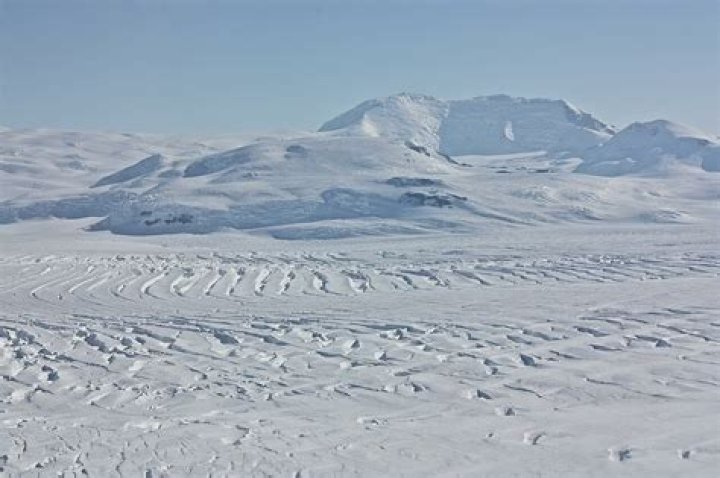
When it comes to identifying the largest desert in the world, many people automatically think of the Sahara Desert in Africa. However, the title might actually belong to Antarctica. Understanding the true definition of a desert and exploring the unique characteristics of both regions can help clarify this debate. In this article, we will delve into the fascinating world of deserts, comparing Antarctica and the Sahara, and uncovering which one truly holds the crown as the largest desert on Earth.
Deserts are not just vast expanses of sand; they are defined by their arid conditions and low precipitation levels. This broader definition opens up the possibility for unexpected contenders like Antarctica to claim the title of the largest desert. By examining the geographical, climatic, and ecological aspects of both Antarctica and the Sahara, we can gain a deeper understanding of why these regions qualify as deserts and which one is the largest.
Whether you're a geography enthusiast or simply curious about the natural world, this article will provide comprehensive insights into the characteristics of deserts, focusing on Antarctica and the Sahara. Let's explore the facts, figures, and fascinating details that make these regions some of the most intriguing places on our planet.
What is a Desert?
A desert is typically defined as a region that receives very little rainfall, usually less than 250 mm (10 inches) per year. This definition goes beyond the common perception of deserts as sandy wastelands. In fact, deserts can be found in various forms, from hot and arid regions like the Sahara to cold and icy landscapes like Antarctica. The key factor is the lack of precipitation, which makes it difficult for most plants and animals to thrive.
Deserts cover about one-third of the Earth's land surface and are home to unique ecosystems adapted to extreme conditions. These ecosystems include specialized flora and fauna that have evolved to survive in environments with limited water and harsh climates. Understanding the true nature of deserts is crucial for appreciating their role in the global ecosystem.
Antarctica: The Unexpected Desert
Antarctica Facts
Antarctica is the southernmost continent on Earth and is renowned for its icy landscapes and extreme weather conditions. Despite its reputation as a frozen wasteland, Antarctica qualifies as a desert due to its incredibly low precipitation levels. Here are some key facts about Antarctica:
- Covers an area of approximately 14 million square kilometers, making it the largest desert by landmass.
- Receives an average of less than 50 mm (2 inches) of precipitation annually, primarily in the form of snow.
- Has the coldest recorded temperature on Earth, reaching as low as -89.2°C (-128.6°F).
Antarctica Climate
The climate of Antarctica is characterized by its extreme cold, dryness, and strong winds. The continent is covered in a thick layer of ice, which reflects most of the sunlight, further reducing the already minimal precipitation. The polar high-pressure system dominates the region, creating a stable and dry atmosphere that inhibits cloud formation and rainfall.
Despite its harsh conditions, Antarctica supports a surprising amount of life. Microorganisms, algae, and certain species of seals and penguins have adapted to survive in this extreme environment. The unique climate of Antarctica makes it a fascinating subject for scientific research, offering insights into climate change and the Earth's geological history.
Sahara: The Iconic Desert
Sahara Facts
The Sahara Desert is the largest hot desert in the world, spanning across North Africa. It is often the first desert that comes to mind when people think of deserts, thanks to its vast stretches of golden sand dunes and iconic landscapes. Here are some interesting facts about the Sahara:
- Covers an area of approximately 9.2 million square kilometers, making it the third-largest desert by landmass.
- Receives an average of less than 25 mm (1 inch) of rainfall annually in most areas.
- Is home to diverse ecosystems, including oases, rocky plateaus, and sand dunes.
Sahara Climate
The climate of the Sahara is dominated by its arid conditions and extreme temperatures. Daytime temperatures can soar above 50°C (122°F), while nights can drop to freezing levels in some areas. The desert's location in the subtropical high-pressure belt contributes to its dryness, as it inhibits the formation of clouds and rainfall.
Despite its harsh conditions, the Sahara supports a surprising amount of life. Nomadic tribes, such as the Tuareg and Berbers, have thrived in the desert for centuries, adapting to its challenges. The region is also home to various plant and animal species that have evolved to survive in this arid environment.
Comparing Antarctica and Sahara
When comparing Antarctica and the Sahara, it becomes clear that both regions share the defining characteristic of low precipitation, qualifying them as deserts. However, their differences in terms of climate, geography, and ecosystem make each desert unique in its own way.
Antarctica stands out as the largest desert by landmass, covering an area nearly 50% larger than the Sahara. Its extreme cold and icy landscapes contrast sharply with the hot and sandy expanses of the Sahara. Both deserts play crucial roles in the Earth's climate system, influencing global weather patterns and serving as vital research sites for scientists.
Why Antarctica is the Largest Desert
Antarctica earns the title of the largest desert in the world due to its immense size and adherence to the definition of a desert. With an area of approximately 14 million square kilometers, it surpasses the Sahara in terms of landmass. Additionally, its low precipitation levels and extreme climate further solidify its status as a desert.
The misconception that deserts must be hot and sandy often leads people to overlook Antarctica's desert qualities. However, understanding the broader definition of deserts reveals the true extent of Antarctica's arid nature. Its role as the largest desert on Earth highlights the diversity and complexity of our planet's ecosystems.
Ecological Significance of Deserts
Deserts, whether hot or cold, play a vital role in the Earth's ecological balance. They influence global weather patterns, regulate the Earth's temperature, and provide unique habitats for specialized species. Antarctica and the Sahara are no exceptions, each contributing to the planet's biodiversity and climate system in their own ways.
Deserts also serve as important research sites for scientists studying climate change, geological processes, and the origins of life. The extreme conditions found in deserts make them ideal for testing theories and conducting experiments that cannot be replicated in more temperate regions.
Common Misconceptions About Deserts
Many people hold misconceptions about deserts, assuming they are all hot, sandy, and devoid of life. These misconceptions overlook the diversity and complexity of desert ecosystems. For example, Antarctica's icy landscapes and the Sahara's oases challenge the stereotype of deserts as barren wastelands.
Another common misconception is that deserts are uninhabitable. In reality, many species and human communities have thrived in desert environments for thousands of years. By dispelling these myths, we can gain a greater appreciation for the resilience and adaptability of life in these extreme conditions.
Conclusion
In conclusion, Antarctica holds the title of the largest desert in the world due to its immense size and adherence to the definition of a desert. While the Sahara is often the first desert that comes to mind, Antarctica's arid conditions and icy landscapes make it a fascinating and unique desert in its own right. Understanding the true nature of deserts and their ecological significance is crucial for appreciating the diversity of our planet's ecosystems.
We invite you to share your thoughts and insights in the comments section below. Do you agree that Antarctica is the largest desert in the world? What other interesting facts about deserts would you like to explore? Don't forget to check out our other articles on geography and the natural world for more fascinating insights!
Data sources: National Geographic, NASA, United States Geological Survey.




