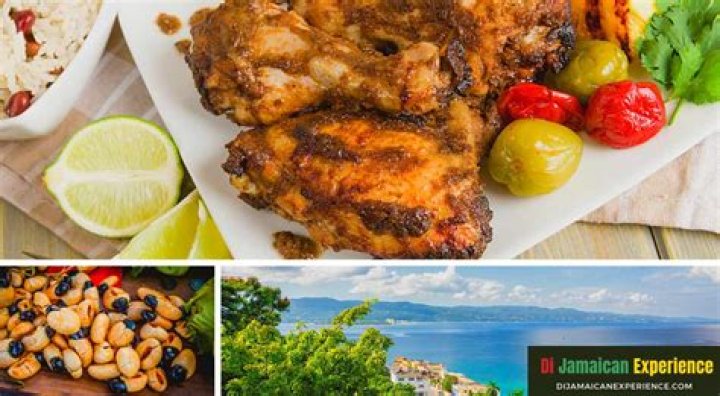
When it comes to Jamaican food culture, there's no denying the vibrant and rich culinary experience that this island nation offers. From the bold flavors of jerk seasoning to the comforting warmth of ackee and saltfish, Jamaican cuisine is a testament to the country's diverse history and cultural influences. Jamaican food culture is not just about the taste; it's a celebration of tradition, community, and identity that resonates deeply with both locals and visitors alike.
Jamaica's culinary landscape has evolved over centuries, shaped by the island's colonial past, African roots, and the influx of various immigrant groups. This rich tapestry of influences has resulted in a cuisine that is as diverse as it is delicious. Whether you're enjoying a plate of curry goat or savoring the sweetness of festival, Jamaican food culture offers something for everyone.
As we dive deeper into this flavorful journey, you'll discover the key ingredients, traditional dishes, and cultural significance behind Jamaican food. Whether you're a food enthusiast, a traveler eager to explore new tastes, or simply curious about the world's culinary diversity, this article will provide you with a comprehensive understanding of what makes Jamaican food culture so unique.
The History of Jamaican Food Culture
The history of Jamaican food culture is a fascinating journey through time, reflecting the island's complex past and diverse influences. When the Spanish first arrived in Jamaica in the early 16th century, they brought with them new crops and livestock, which were integrated into the local diet. However, it was the arrival of African slaves that truly transformed Jamaican cuisine, introducing techniques such as pit cooking and ingredients like yams and plantains.
Later, during British colonization, the introduction of indentured laborers from India and China added yet another layer of culinary diversity. This fusion of cultures has resulted in a vibrant food culture that is uniquely Jamaican. Today, Jamaican food culture continues to evolve, embracing global influences while maintaining its distinct identity.
Colonial Influences on Jamaican Cuisine
Colonialism played a significant role in shaping Jamaican food culture. The Spanish introduced pigs, cattle, and citrus fruits, while the British brought sugar cane, which became a staple crop. The blending of these influences with indigenous Taino practices and African traditions created a culinary heritage that is both rich and varied.
Key Ingredients in Jamaican Cuisine
Jamaican cuisine is built on a foundation of vibrant and flavorful ingredients that reflect the island's tropical climate and cultural diversity. Some of the most essential ingredients include allspice (pimento), Scotch bonnet peppers, coconut milk, and ackee, which are staples in many traditional dishes.
- Allspice: Used in jerk seasoning and various marinades, allspice is a key ingredient in Jamaican cooking.
- Scotch Bonnet Peppers: Known for their intense heat and fruity flavor, these peppers are integral to many Jamaican dishes.
- Coconut Milk: Adds a creamy richness to curries and stews, enhancing the overall flavor profile.
- Ackee: Jamaica's national fruit, often served with saltfish in a classic dish.
Importance of Local Produce
Local produce plays a crucial role in Jamaican food culture, with farmers markets and roadside stands offering fresh fruits, vegetables, and spices. This emphasis on fresh, locally-sourced ingredients not only enhances the taste of the dishes but also supports the local economy.
Traditional Jamaican Dishes
Traditional Jamaican dishes are a reflection of the island's cultural heritage and culinary creativity. From hearty stews to spicy jerk meats, these dishes are beloved by locals and visitors alike. Let's explore some of the most iconic Jamaican dishes:
- Ackee and Saltfish: Jamaica's national dish, combining the creamy texture of ackee with the salty flavor of saltfish.
- Curry Goat: A flavorful and aromatic dish featuring tender goat meat cooked in a rich curry sauce.
- Jerk Chicken: Marinated in a spicy blend of herbs and spices, then slow-cooked over pimento wood for a smoky flavor.
Regional Variations in Jamaican Cuisine
While certain dishes are popular throughout the island, regional variations add depth and diversity to Jamaican food culture. For example, the coastal regions might emphasize seafood-based dishes, while inland areas focus more on meat and root vegetables.
The Art of Jerk Cuisine
Jerk cuisine is perhaps one of the most iconic aspects of Jamaican food culture. Originating from the Maroons, who were runaway slaves living in the Jamaican mountains, jerk seasoning combines a blend of spices and herbs, including allspice, thyme, and Scotch bonnet peppers. The meat is typically marinated for hours before being slow-cooked over pimento wood, which imparts a distinctive smoky flavor.
Today, jerk stands can be found all over Jamaica, offering a taste of this traditional cooking method. Whether it's chicken, pork, or even tofu, the art of jerk cooking continues to captivate food lovers around the world.
Modern Interpretations of Jerk Cuisine
While traditional jerk methods remain popular, chefs are increasingly experimenting with modern interpretations of this classic cuisine. From jerk-flavored cocktails to fusion dishes that incorporate international flavors, the possibilities are endless. This innovation ensures that jerk cuisine remains relevant and exciting for new generations.
Jamaican Cuisine and Global Fusion
As Jamaican cuisine gains international recognition, chefs worldwide are embracing its bold flavors and vibrant ingredients. This has led to a wave of fusion dishes that blend Jamaican flavors with other culinary traditions. For example, you might find jerk-seasoned sushi rolls or ackee-stuffed empanadas on menus in cosmopolitan cities.
This global fusion not only introduces new audiences to Jamaican food culture but also enriches the culinary landscape by encouraging creativity and experimentation.
Benefits of Culinary Fusion
Culinary fusion offers numerous benefits, including increased exposure for traditional Jamaican dishes and the opportunity for chefs to showcase their creativity. By combining familiar flavors with new techniques, fusion cuisine can appeal to a broader audience while maintaining the authenticity of its roots.
Cultural Significance of Jamaican Food
Food plays a central role in Jamaican culture, serving as a means of connection, celebration, and identity. Whether it's a family gathering or a community event, food is often at the heart of these occasions. Traditional dishes are passed down through generations, preserving cultural heritage and strengthening community bonds.
Moreover, Jamaican food culture is closely tied to the island's music, art, and traditions, creating a holistic cultural experience that is uniquely Jamaican.
Food as a Cultural Ambassador
Jamaican food has become a cultural ambassador for the island, introducing people around the world to its rich traditions and vibrant flavors. Through food festivals, cooking classes, and international restaurants, Jamaican cuisine continues to inspire and delight global audiences.
Health Benefits of Jamaican Cuisine
While Jamaican cuisine is known for its bold flavors, it also offers numerous health benefits. Many traditional dishes incorporate fresh fruits, vegetables, and lean proteins, making them nutritious and balanced. Additionally, spices like turmeric, garlic, and ginger, which are commonly used in Jamaican cooking, have been linked to various health benefits.
For example, the Scotch bonnet pepper is rich in capsaicin, which can boost metabolism and reduce inflammation. Similarly, the allspice berry contains antioxidants that support overall health.
Nutritional Value of Jamaican Ingredients
Jamaican ingredients are not only flavorful but also packed with nutrients. From the omega-3 fatty acids found in ackee to the fiber-rich goodness of plantains, Jamaican cuisine offers a wealth of health-promoting properties. By incorporating these ingredients into your diet, you can enjoy both the taste and the health benefits they provide.
Traditional Cooking Methods in Jamaica
Traditional cooking methods are an integral part of Jamaican food culture, with techniques like pit cooking and wood-fired grilling adding depth and character to the dishes. These methods not only enhance the flavors but also connect the cooks to their ancestors, preserving age-old traditions.
For example, the jerk pit method involves digging a hole in the ground, lining it with pimento wood, and cooking the meat slowly over the smoldering coals. This process imparts a unique smoky flavor that is impossible to replicate with modern cooking techniques.
Modern Adaptations of Traditional Methods
While traditional cooking methods remain popular in rural areas, modern adaptations have made these techniques more accessible to urban cooks. Electric jerk smokers and grill pans allow for similar results without the need for an open fire, making it easier for people to enjoy authentic Jamaican flavors at home.
Food in Jamaican Celebrations and Festivals
Food is an essential component of Jamaican celebrations and festivals, bringing people together to share in the joy and excitement of these occasions. From Independence Day to Christmas, traditional dishes are prepared and enjoyed by families and communities across the island.
For example, during Christmas, Jamaicans often prepare a special cake called "Black Cake," which is soaked in rum and spices, creating a rich and decadent treat. Similarly, during Independence Day celebrations, street vendors sell jerk chicken, festival, and other local favorites, creating a festive atmosphere filled with delicious aromas.
Community and Food in Jamaican Festivals
The role of food in Jamaican festivals goes beyond mere sustenance; it serves as a unifying force that brings people together. Whether it's a community potluck or a street festival, the act of sharing food fosters a sense of belonging and camaraderie among participants.
Future Trends in Jamaican Food Culture
As Jamaican food culture continues to evolve, several trends are emerging that will shape its future. One of the most significant trends is the growing emphasis on sustainability and local sourcing. Chefs and food producers are increasingly focusing on environmentally-friendly practices, such as organic farming and reducing food waste.
Additionally, the rise of social media platforms like Instagram and TikTok has created new opportunities for Jamaican cuisine to reach global audiences. Food bloggers, influencers, and chefs are using these platforms to share recipes, cooking tips, and cultural insights, further promoting Jamaican food culture on an international scale.
Embracing Innovation in Jamaican Cuisine
While maintaining its traditional roots, Jamaican cuisine is also embracing innovation, with chefs experimenting with new techniques and ingredients. This forward-thinking approach ensures that Jamaican food culture remains dynamic and relevant in the ever-changing culinary landscape.
Conclusion
In conclusion, Jamaican food culture is a vibrant and dynamic celebration of tradition, community, and identity. From its rich history and diverse influences to its bold flavors and health benefits, Jamaican cuisine offers something for everyone. As we've explored throughout this article, the cultural significance of Jamaican food extends far beyond the plate, connecting people through shared experiences and memories.
We invite you to explore the world of Jamaican cuisine further by trying out some of these delicious dishes at home or visiting Jamaica to experience the flavors firsthand. Don't forget to leave a comment below sharing your favorite Jamaican dish or recipe. And if you enjoyed this article, please consider sharing it with your friends and family to spread the love for Jamaican food culture!