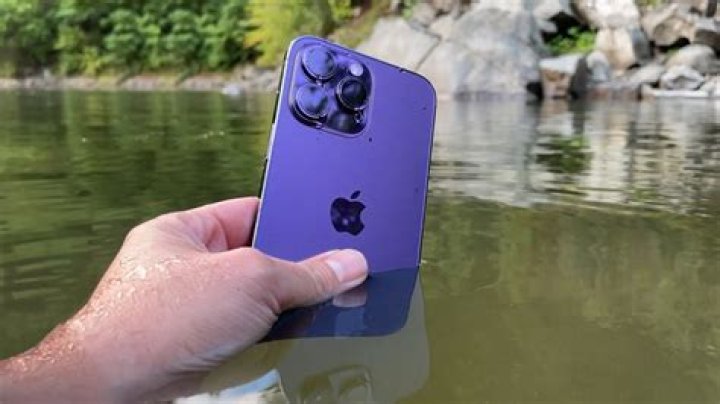
One of the most frequently asked questions about the iPhone 14 is whether it's waterproof. Apple has made significant improvements in water resistance for its devices, and the iPhone 14 series is no exception. Understanding the water resistance capabilities of your smartphone is crucial to ensure its longevity and avoid accidental damage.
Water resistance is a feature that many smartphone users value highly, especially in today's world where technology often accompanies us during daily activities and outdoor adventures. The iPhone 14 lineup has been designed to withstand certain water exposure conditions, making it a reliable companion in various environments.
However, it's important to note that while the iPhone 14 is water-resistant, it is not entirely "waterproof." In this article, we will explore the water resistance rating of the iPhone 14, what it means for you as a user, and how to best protect your device. Let's dive in!
Water Resistance Rating of iPhone 14
The iPhone 14 series boasts an impressive IP68 water resistance rating, which is a significant improvement from earlier models. This rating means that the device can survive submersion in water under specific conditions.
Key Features:
- Survives submersion in up to 6 meters of water for 30 minutes.
- Resistant to dust and other particles.
- Tested under controlled laboratory conditions.
However, it's essential to remember that the IP68 rating does not guarantee complete waterproofing. Apple explicitly mentions that the iPhone 14 should not be used in marine environments or exposed to pressurized water sources like showers or water jets.
What Does Water-Resistant Mean?
Definition of Water Resistance
Water resistance refers to a device's ability to withstand exposure to water without sustaining damage. In the context of smartphones, it means the phone can handle accidental splashes or brief submersion in water without compromising its functionality.
Myths About Water Resistance
Many users confuse water resistance with waterproofing. While the iPhone 14 is water-resistant, it is not designed to withstand prolonged exposure to water or extreme conditions. Here are some common myths:
- Water resistance means the phone can be used underwater indefinitely.
- It is safe to expose the phone to saltwater or chlorinated water.
- The device will remain water-resistant forever without maintenance.
How Water Resistance Works in the iPhone 14
The water resistance of the iPhone 14 is achieved through advanced engineering techniques. Apple uses a combination of materials, seals, and gaskets to ensure that water does not penetrate the device's internal components.
Key Components:
- Sealed ports and buttons.
- Special coatings on internal components.
- Rugged build materials that repel water.
This design ensures that even if water comes into contact with the exterior of the phone, it is unlikely to cause damage to the internal hardware.
Understanding the IP68 Rating
The IP68 rating is a standard used to define the level of protection provided by electrical enclosures against intrusion from foreign bodies and water. Here's a breakdown of what IP68 means:
- IP: Ingress Protection.
- 6: Complete protection against dust.
- 8: Protection against water immersion up to 1.5 meters for 30 minutes (or deeper depending on the device).
The iPhone 14 exceeds the standard IP68 rating by offering protection up to 6 meters for 30 minutes, making it one of the most water-resistant smartphones available.
Real-World Scenarios for Water Resistance
Accidental Drops in Water
If you accidentally drop your iPhone 14 in a pool or sink, you can retrieve it quickly without worrying about immediate damage. However, it's crucial to dry the device thoroughly and avoid turning it on until it is completely dry.
Rain and Splash Protection
The iPhone 14 can handle rain and splashes during outdoor activities. Whether you're walking in the rain or enjoying a day at the beach, your device is protected against light exposure to water.
Limitations of Water Resistance
While the iPhone 14 is highly water-resistant, it's not invincible. Here are some limitations to keep in mind:
- The water resistance rating decreases over time due to normal wear and tear.
- Exposure to saltwater, chlorine, or soapy water may damage the seals and coatings.
- Prolonged submersion or exposure to pressurized water can lead to damage.
Apple advises users to avoid exposing their devices to these conditions to maintain their water resistance capabilities.
Maintenance Tips for Your iPhone 14
To ensure your iPhone 14 retains its water resistance, follow these maintenance tips:
- Clean the device regularly with a soft, lint-free cloth.
- Avoid exposing the phone to harsh chemicals or cleaning agents.
- Have the device inspected by an authorized service provider if you suspect damage to the seals.
Regular maintenance can extend the lifespan of your device and ensure its water resistance remains effective.
Comparison with Previous Models
The iPhone 14 builds upon the water resistance capabilities of its predecessors. Here's a comparison with earlier models:
- iPhone 13: IP68 rating up to 6 meters for 30 minutes.
- iPhone 12: IP68 rating up to 6 meters for 30 minutes.
- iPhone 11: IP68 rating up to 2 meters for 30 minutes.
As you can see, the iPhone 14 maintains the same high standard of water resistance as the iPhone 13 and iPhone 12, offering superior protection compared to older models.
Frequently Asked Questions
Can the iPhone 14 be Used Underwater?
No, the iPhone 14 is not designed for underwater use. While it can survive brief submersion, prolonged exposure to water can cause damage.
Does Water Resistance Protect Against All Liquids?
No, water resistance primarily protects against freshwater exposure. Liquids like saltwater, chlorine, and alcohol can damage the seals and coatings.
Can I Use My iPhone 14 While It's Wet?
It's best to avoid using your iPhone 14 while it's wet. Allow the device to dry completely before turning it on or using it.
Conclusion and Final Thoughts
In conclusion, the iPhone 14 is water-resistant, thanks to its impressive IP68 rating. While it can handle accidental splashes and brief submersion, it is not entirely waterproof. Understanding the limitations and maintaining your device properly can help ensure its longevity.
We encourage you to share your thoughts and experiences with the iPhone 14 in the comments below. Additionally, feel free to explore other articles on our website for more insights into technology and gadgets.
Stay informed and protect your investment by following the tips outlined in this article. Thank you for reading!
Source: Apple Official Website




