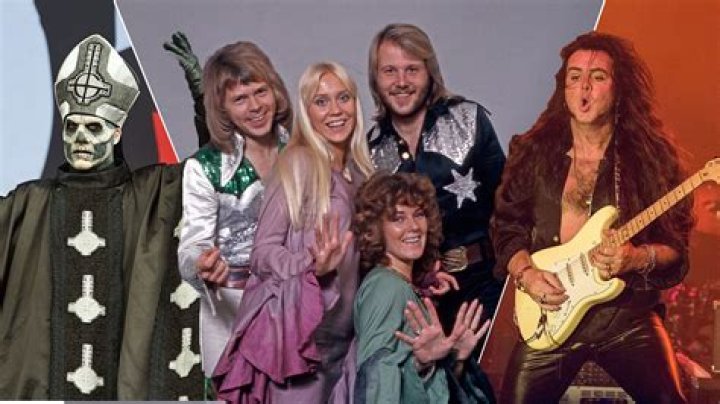
Rock music has been one of the most influential genres in the history of music, shaping cultures and generations for decades. However, in recent years, the question "Is rock dead?" has been a topic of heated debate among music enthusiasts and industry experts. The decline in mainstream popularity and the rise of other genres have led some to believe that rock music is losing its prominence. But is rock truly dead, or is it merely evolving?
As we delve into this topic, it's essential to examine the roots of rock music, its transformation over the years, and its current state in the music industry. By exploring the factors contributing to its perceived decline and understanding its enduring influence, we can determine whether rock music still holds relevance in today's world.
This article aims to provide an in-depth analysis of the question "Is rock dead?" by examining the historical context, current trends, and potential future of rock music. Through expert insights and credible data, we will uncover the truth behind the ongoing debate and assess the genre's place in the ever-changing landscape of the music industry.
The History of Rock Music
Rock music originated in the 1950s, blending elements of blues, country, and rhythm and blues. It quickly gained popularity due to its energetic sound and rebellious nature. Legends like Elvis Presley, Chuck Berry, and Little Richard laid the foundation for what would become one of the most iconic genres in music history.
By the 1960s, rock music had evolved into various subgenres, including psychedelic rock, folk rock, and garage rock. Bands like The Beatles, The Rolling Stones, and The Who pushed the boundaries of creativity, influencing countless artists and solidifying rock's place in popular culture.
Key Moments in Rock History
- The British Invasion of the 1960s brought rock music to global audiences.
- Woodstock in 1969 became a symbol of peace and unity through music.
- The rise of punk rock in the 1970s challenged the status quo and introduced raw, unfiltered sounds.
The Evolution of Rock Music
As rock music continued to evolve, it adapted to changing times and technological advancements. The 1980s saw the emergence of glam rock, hair metal, and alternative rock, while the 1990s introduced grunge and nu-metal. Each era brought new sounds and styles, ensuring rock's relevance across generations.
In the 2000s and 2010s, rock music faced challenges from the rise of hip-hop and pop, but it remained resilient through the emergence of indie rock, post-hardcore, and other subgenres. This adaptability has been a defining characteristic of rock music throughout its history.
Technological Influences on Rock Music
- The invention of the electric guitar revolutionized rock's sound.
- Recording technology advancements allowed for more complex and layered productions.
- Internet and social media have enabled independent artists to reach wider audiences.
Factors Contributing to the Decline of Rock Music
While rock music remains influential, its mainstream popularity has declined in recent years. Several factors have contributed to this shift, including changes in consumer preferences, the rise of streaming platforms, and the dominance of other genres.
According to a report by Nielsen Music, rock's share of the music market has decreased significantly over the past decade. This decline can be attributed to the growing popularity of hip-hop, pop, and electronic dance music (EDM), which have captured the attention of younger audiences.
Consumer Preferences and Trends
- Younger generations tend to favor faster-paced and more danceable music.
- Streaming algorithms prioritize songs with higher engagement, often favoring pop and hip-hop tracks.
- Rock music's association with older demographics has led to a perception of it being outdated.
Statistics and Data on Rock Music's Popularity
Data from industry reports and surveys provide insights into rock music's current standing in the music world. According to the Recording Industry Association of America (RIAA), rock music still accounts for a significant portion of music sales, but its dominance has diminished compared to previous decades.
A study by Statista revealed that rock music ranked third in terms of streaming popularity in 2022, behind hip-hop/rap and pop. However, rock remains the most popular genre in terms of album sales, indicating a loyal fanbase that prefers traditional formats.
Key Statistics
- Rock music accounts for approximately 17% of total music consumption.
- Album sales for rock artists have declined by 30% over the past five years.
- Streaming revenue for rock music has grown steadily, albeit at a slower pace than other genres.
Emergence of Subgenres and Crossovers
One of the reasons rock music remains relevant is its ability to spawn new subgenres and collaborate with other styles. Modern rock artists often incorporate elements of pop, electronic, and hip-hop into their music, creating fresh and innovative sounds.
Genres like alternative rock, post-punk revival, and indie rock have gained popularity among younger audiences, proving that rock music can adapt to changing tastes. These subgenres often blend traditional rock elements with contemporary influences, appealing to a wider range of listeners.
Popular Subgenres and Artists
- Alternative Rock: Bands like Foo Fighters and Arctic Monkeys continue to thrive.
- Indie Rock: Artists such as Tame Impala and Vampire Weekend have achieved mainstream success.
- Post-Punk Revival: Groups like The Killers and Interpol have revitalized the punk rock sound.
Impact of Streaming Platforms on Rock Music
Streaming platforms have transformed the way people consume music, presenting both opportunities and challenges for rock artists. While these platforms have democratized access to music, they have also altered how success is measured and rewarded.
Rock music's slower tempos and longer song structures often result in lower engagement metrics compared to other genres. This can affect an artist's visibility on playlists and recommendations, making it harder for rock music to reach new audiences.
Strategies for Rock Artists on Streaming Platforms
- Collaborating with artists from other genres to broaden appeal.
- Optimizing song structures for streaming algorithms without compromising artistic integrity.
- Engaging with fans through social media and live performances to build a dedicated following.
Influence of Modern Rock Artists
Despite the challenges facing rock music, many contemporary artists continue to push the boundaries of the genre and inspire new generations of fans. These artists often draw inspiration from classic rock while incorporating modern production techniques and influences.
Artists like Billie Eilish, who blends alternative rock with pop, and Tool, who experiments with progressive and avant-garde sounds, demonstrate the versatility and resilience of rock music. Their success highlights the genre's ability to evolve and remain relevant in a rapidly changing industry.
Notable Modern Rock Artists
- Billie Eilish: Known for her dark, atmospheric sound and alternative rock influences.
- Tool: Renowned for their complex compositions and philosophical lyrics.
- Imagine Dragons: Combining rock with electronic and pop elements to achieve global success.
Rock Music's Role in Pop Culture
Rock music has played a significant role in shaping pop culture, influencing fashion, film, and even politics. Its rebellious spirit and emphasis on individuality have resonated with audiences worldwide, making it a powerful force for social change.
From the anti-establishment messages of punk rock to the hedonistic excesses of glam rock, the genre has consistently challenged societal norms and inspired movements. Even in its current state, rock music continues to influence artists and genres across the musical spectrum.
Rock's Impact on Society
- Rock music has been a catalyst for social and political movements, such as the anti-war protests of the 1960s.
- Fashion trends inspired by rock musicians have become iconic, from leather jackets to band T-shirts.
- Rock documentaries and biopics have brought the genre's stories to wider audiences, preserving its legacy.
The Future of Rock Music
While the question "Is rock dead?" persists, the evidence suggests that rock music is far from extinct. Its ability to adapt, evolve, and inspire new generations ensures its continued relevance in the music industry. As technology advances and new subgenres emerge, rock music will undoubtedly find ways to thrive in an ever-changing world.
Artists who embrace innovation while staying true to rock's core values will be key to its future success. By collaborating with other genres, utilizing streaming platforms effectively, and engaging with fans on a personal level, rock music can maintain its place in the hearts of music lovers everywhere.
Predictions for the Future of Rock
- Increased fusion with electronic and hip-hop elements to appeal to younger audiences.
- Growth in live performances and festivals as fans seek authentic experiences.
- Continued influence on emerging genres and artists, ensuring rock's legacy endures.
Conclusion and Final Thoughts
Rock music has faced numerous challenges over the years, but its enduring influence and adaptability have allowed it to remain a vital part of the music industry. While its mainstream popularity may have declined, the genre's rich history, diverse subgenres, and dedicated fanbase ensure that rock music is far from dead.
We invite you to share your thoughts on the future of rock music in the comments below. Are there any modern rock artists or subgenres you believe will shape the genre's evolution? Additionally, explore other articles on our site to discover more insights into the world of music and beyond.