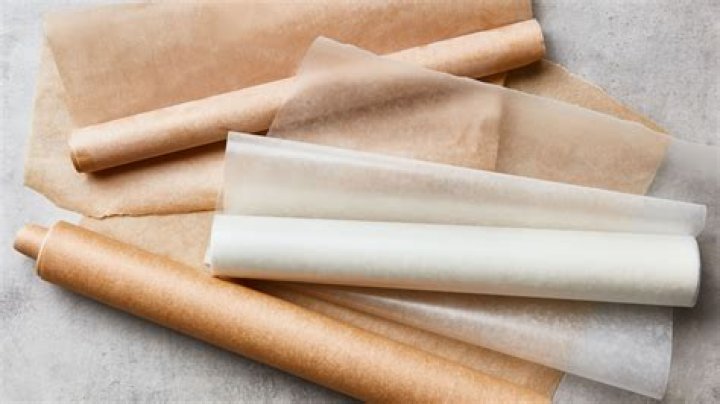
Many people often confuse parchment paper with waxed paper because of their similar appearances. However, these two kitchen staples serve different purposes and have distinct properties. Understanding the differences between them is essential for achieving the best results in cooking, baking, and food storage.
Parchment paper and waxed paper are both widely used in kitchens worldwide. While they share some similarities, their composition, functionality, and safety profiles differ significantly. Knowing when to use each type of paper can enhance your cooking experience and ensure food safety.
In this article, we will explore the distinctions between parchment paper and waxed paper, discuss their uses, and provide guidance on selecting the right one for your needs. Whether you're a home cook or a professional chef, this guide will equip you with the knowledge you need to make informed decisions in the kitchen.
What is Parchment Paper?
Parchment paper, also known as bakery paper, is a versatile kitchen essential made from paper treated with sulfuric acid during production. This process gives it a non-stick, heat-resistant, and moisture-proof surface, making it ideal for various cooking applications.
Parchment paper is commonly used in baking as a lining for baking sheets to prevent food from sticking and to facilitate easy cleanup. It is also used in roasting, steaming, and cooking en papillote, a method where food is cooked inside a sealed packet of parchment paper.
Composition and Characteristics
- Parchment paper is coated with silicone, which provides its non-stick properties.
- It is heat-resistant, withstanding temperatures up to 420°F (218°C) or higher, depending on the brand.
- The paper is moisture-proof, preventing liquids from seeping through during cooking.
What is Waxed Paper?
Waxed paper, as the name suggests, is paper coated with a thin layer of wax, typically paraffin or soy-based wax. This coating makes the paper resistant to moisture and grease, making it suitable for wrapping and storing food.
Unlike parchment paper, waxed paper is not heat-resistant and should not be used in direct contact with heat sources. It is primarily used for food preparation and storage tasks that do not involve cooking.
Composition and Characteristics
- Waxed paper is coated with a layer of wax, which gives it its moisture and grease-resistant properties.
- It is not heat-resistant and can melt or ignite if exposed to high temperatures.
- The paper is biodegradable and often used as an eco-friendly alternative for food wrapping.
Key Differences Between Parchment and Waxed Paper
While both parchment paper and waxed paper are used in kitchens, they differ significantly in terms of composition, functionality, and safety. Below are the key differences between the two:
Heat Resistance
- Parchment paper is heat-resistant and safe to use in ovens, grills, and other cooking appliances.
- Waxed paper is not heat-resistant and should not be used in direct contact with heat sources.
Coating
- Parchment paper is coated with silicone, providing a non-stick surface.
- Waxed paper is coated with wax, making it resistant to moisture and grease.
Uses
- Parchment paper is ideal for baking, roasting, and cooking en papillote.
- Waxed paper is suitable for food preparation, wrapping, and storage tasks that do not involve heat.
Common Uses of Parchment Paper
Parchment paper is a versatile kitchen staple with a wide range of applications. Below are some common uses of parchment paper:
Baking
- Line baking sheets with parchment paper to prevent cookies, cakes, and other baked goods from sticking.
- Use parchment paper as a base for rolling out dough to prevent it from sticking to the countertop.
Roasting
- Place parchment paper on roasting trays to catch drippings and make cleanup easier.
- Use parchment paper to wrap vegetables or fish for roasting in the oven.
Steaming
- Use parchment paper to create steam packets for cooking seafood, vegetables, or other delicate foods.
Common Uses of Waxed Paper
Waxed paper is primarily used for food preparation and storage tasks that do not involve heat. Below are some common uses of waxed paper:
Wrapping
- Wrap sandwiches, pastries, or other foods with waxed paper to keep them fresh and prevent them from sticking together.
Preparation - Use waxed paper to dust surfaces with flour or sugar when preparing dough or other sticky ingredients.
Can Waxed Paper Substitute Parchment Paper?
In most cases, waxed paper cannot substitute parchment paper, especially when heat is involved. The wax coating on waxed paper can melt or ignite if exposed to high temperatures, making it unsafe for baking or roasting.
However, for non-heat-related tasks such as wrapping or storing food, waxed paper can be a suitable alternative to parchment paper. Always consider the intended use before substituting one for the other.
Health and Safety Considerations
Both parchment paper and waxed paper are generally safe for food contact when used as intended. However, it is essential to follow safety guidelines to ensure food safety and avoid potential hazards.
Parchment Paper Safety
- Choose high-quality parchment paper that is free from harmful chemicals and additives.
- Do not exceed the recommended temperature limit of the parchment paper to avoid burning or releasing harmful fumes.
Waxed Paper Safety
- Avoid using waxed paper in direct contact with heat sources to prevent melting or ignition.
- Ensure that the waxed paper is food-safe and free from harmful substances.
Environmental Impact
The environmental impact of parchment paper and waxed paper depends on their composition and disposal methods. Both papers are generally biodegradable, but their coatings can affect their recyclability.
Parchment paper is often made from renewable resources and is recyclable in some regions. However, the silicone coating may limit its recyclability in certain areas. Waxed paper, on the other hand, is typically biodegradable, but the wax coating can make it difficult to recycle.
Buying Guide: How to Choose the Right Paper
When choosing between parchment paper and waxed paper, consider the intended use, safety requirements, and environmental impact. Below are some tips for selecting the right paper for your needs:
Quality
- Choose high-quality papers that are free from harmful chemicals and additives.
- Look for certifications such as FDA approval or other food safety standards.
Sustainability
- Select papers made from renewable resources and biodegradable materials.
- Consider the recyclability of the paper and its coating when making your choice.
Conclusion
In conclusion, while parchment paper and waxed paper may seem similar at first glance, they serve distinct purposes in the kitchen. Parchment paper is ideal for cooking and baking due to its heat-resistant and non-stick properties, while waxed paper is better suited for food preparation and storage tasks that do not involve heat.
Understanding the differences between these two papers can help you make informed decisions and achieve the best results in your cooking and baking endeavors. Always consider the intended use, safety requirements, and environmental impact when selecting the right paper for your needs.
Feel free to leave a comment or share this article with your friends and family. For more insightful articles on cooking and baking tips, visit our website regularly.




