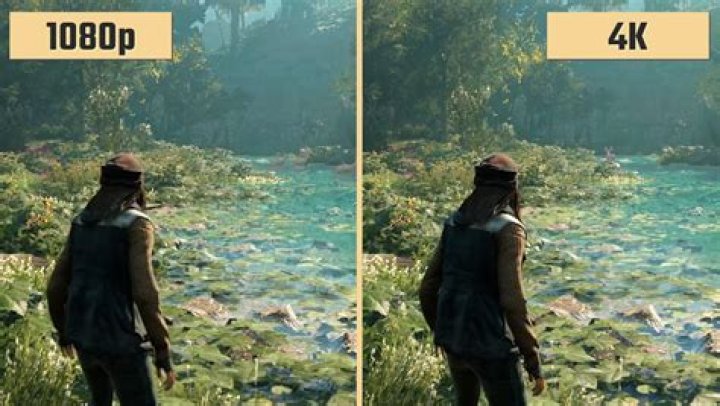
Choosing between 1080p and 4K can be a daunting decision for anyone looking to invest in a display technology. As technology advances, the debate between these two resolutions continues to grow. But is 1080p really better than 4K? Or is it the other way around? In this article, we will explore the intricacies of both resolutions and help you make an informed choice.
Whether you're a gamer, a movie enthusiast, or someone who simply wants a high-quality display for daily use, understanding the differences between 1080p and 4K is essential. Both resolutions offer unique advantages, and your decision should depend on your specific needs and budget.
This article will cover everything you need to know, from technical specifications to real-world applications. By the end, you'll have a clear understanding of whether 1080p is better than 4K for your situation.
Introduction
Display technology has come a long way in recent years, with resolutions like 1080p and 4K becoming the norm. However, the question of whether 1080p is better than 4K often arises, especially when considering factors such as cost, performance, and visual quality.
While 4K offers superior resolution and detail, 1080p remains a popular choice due to its affordability and compatibility with older hardware. Understanding the nuances of both resolutions is crucial for making the right decision for your needs.
In this article, we will delve into the technical aspects of 1080p and 4K, explore their strengths and weaknesses, and provide practical advice for choosing the best option for your situation.
Understanding Resolution Basics
Before we dive into the comparison between 1080p and 4K, it's important to understand what resolution means in the context of display technology. Resolution refers to the number of pixels displayed on a screen, measured in width and height.
For example, 1080p has a resolution of 1920x1080 pixels, while 4K offers a resolution of 3840x2160 pixels. The higher the resolution, the more detailed and sharp the image appears. However, other factors such as screen size, viewing distance, and content availability also play a significant role in determining the overall experience.
What is 1080p?
1080p, also known as Full HD, is a resolution standard that has been widely adopted in various devices, including televisions, monitors, and gaming consoles. It offers a resolution of 1920x1080 pixels, providing a balance between image quality and performance.
One of the main advantages of 1080p is its widespread compatibility with existing hardware and software. It is also more affordable than 4K, making it an attractive option for those on a budget. Additionally, 1080p content is readily available, ensuring a seamless viewing experience.
Despite its popularity, 1080p is starting to show its age as higher-resolution displays become more common. However, it remains a solid choice for many users, especially those who prioritize cost-effectiveness over cutting-edge technology.
What is 4K?
4K, also known as Ultra HD, represents a significant leap forward in display technology. With a resolution of 3840x2160 pixels, 4K offers four times the pixel density of 1080p, resulting in incredibly sharp and detailed images.
The benefits of 4K extend beyond just visual quality. It is particularly well-suited for large screens, where the increased pixel density ensures that images remain crisp and clear even at greater distances. Additionally, 4K is becoming the standard for modern content, including movies, TV shows, and video games.
However, the higher resolution comes at a cost. 4K displays are generally more expensive than their 1080p counterparts, and they require more powerful hardware to run smoothly. Despite these challenges, 4K is rapidly gaining popularity as the go-to resolution for high-end displays.
1080p vs. 4K: A Detailed Comparison
Sharpness and Clarity
When it comes to sharpness and clarity, 4K clearly outperforms 1080p. The increased pixel density allows for more detailed images, making it ideal for tasks that require precision, such as graphic design and video editing. However, the difference in sharpness may not be noticeable on smaller screens or at closer viewing distances.
For example, a study conducted by the University of California found that the human eye can only distinguish between 1080p and 4K at distances of less than 6 feet. This means that for most users, the visual difference may not be significant unless they have a large screen or sit close to the display.
Color Accuracy and Depth
Color accuracy and depth are other areas where 4K excels. The higher resolution allows for more accurate color reproduction, resulting in richer and more vibrant images. This is particularly important for content creators who rely on precise color representation in their work.
However, it's worth noting that color accuracy is not solely determined by resolution. Factors such as panel type, color calibration, and backlighting also play a crucial role. Therefore, while 4K generally offers better color performance, it's important to consider other factors when evaluating display quality.
Cost Considerations
Cost is one of the most significant factors to consider when choosing between 1080p and 4K. On average, 4K displays are more expensive than 1080p displays, both in terms of hardware and content. This is due to the higher production costs and the need for more powerful hardware to support the increased resolution.
According to data from Statista, the average price of a 4K television in 2023 was approximately 30% higher than that of a 1080p television. While the price gap is narrowing as technology advances, 4K remains a more expensive option for most consumers.
Best Use Cases for Each Resolution
The choice between 1080p and 4K ultimately depends on your specific needs and use cases. Below are some scenarios where each resolution shines:
- Gaming: 1080p is still the preferred resolution for gamers due to its lower hardware requirements and smoother performance. However, 4K gaming is becoming more accessible as hardware improves.
- Movie Watching: 4K is ideal for movie enthusiasts who want to experience the highest possible quality. With the growing availability of 4K content, it offers a more immersive viewing experience.
- Work and Productivity: For professionals who rely on their displays for work, 4K provides more screen real estate and better color accuracy, making it a better choice for tasks like graphic design and video editing.
Future Trends in Display Technology
As technology continues to evolve, the gap between 1080p and 4K is likely to narrow. Advances in hardware and software are making 4K more accessible and affordable, while new resolutions such as 8K are beginning to emerge.
According to a report by IDC, the global market for 4K displays is expected to grow by 15% annually over the next five years. This growth is driven by increasing demand for high-quality content and advancements in display technology.
While 1080p will remain a viable option for many users, the future undoubtedly belongs to higher-resolution displays. As prices continue to drop and content becomes more widely available, 4K and beyond will become the new standard.
Tips for Choosing the Right Resolution
Choosing the right resolution can be a challenging task, especially with so many options available. Here are some tips to help you make an informed decision:
- Consider Your Budget: Determine how much you're willing to spend and prioritize features that matter most to you.
- Evaluate Your Needs: Think about how you'll be using the display and choose a resolution that best suits your intended use case.
- Check Content Availability: Ensure that the resolution you choose is compatible with the type of content you consume, whether it's movies, games, or productivity software.
Debunking Common Myths About 1080p and 4K
There are several misconceptions surrounding 1080p and 4K that can confuse consumers. Below, we debunk some of the most common myths:
- Myth: 4K is Always Better: While 4K offers superior resolution, it may not be noticeable on smaller screens or at greater viewing distances.
- Myth: 1080p is Outdated: Despite its age, 1080p remains a viable option for many users, especially those who prioritize cost-effectiveness over cutting-edge technology.
- Myth: 4K Requires Expensive Hardware: While 4K does require more powerful hardware, advancements in technology are making it more accessible and affordable.
Conclusion
In conclusion, the question of whether 1080p is better than 4K ultimately depends on your specific needs and preferences. While 4K offers superior resolution and detail, 1080p remains a solid choice for those who prioritize affordability and compatibility.
As you consider your options, remember to evaluate factors such as screen size, viewing distance, and content availability. By doing so, you can make an informed decision that best suits your lifestyle and budget.
We encourage you to leave a comment below sharing your thoughts on this topic. Additionally, feel free to explore other articles on our site for more insights into display technology and beyond.