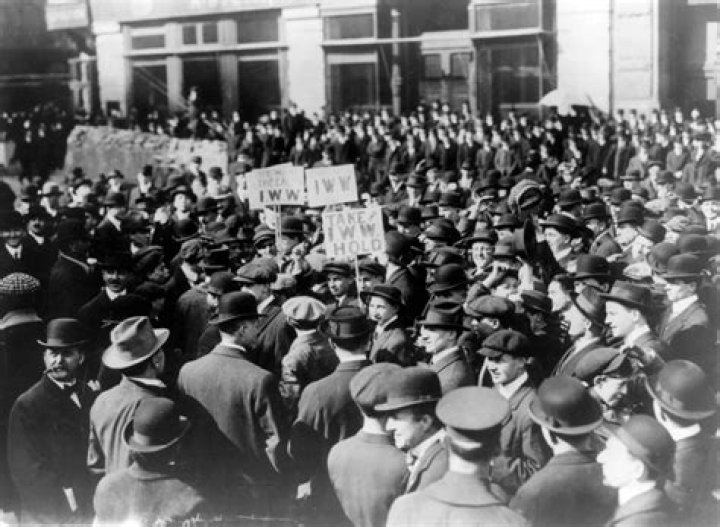
Industrial Workers of the World (IWW), also known as the Wobblies, is one of the most influential labor movements in history. Founded in 1905, this organization has played a pivotal role in shaping the labor rights landscape across the globe. Its principles of solidarity, direct action, and revolutionary unionism have inspired generations of workers to fight for fair wages, safe working conditions, and social justice.
The IWW was born out of a desire to unite workers across industries and borders, transcending barriers such as race, gender, and skill level. Unlike other labor unions of its time, the IWW embraced an inclusive approach, advocating for the rights of all workers, regardless of their background. This revolutionary ideology set it apart and made it a formidable force in the early 20th century.
In this article, we will delve into the history, goals, achievements, and challenges faced by the IWW. We will also explore its relevance in today's world and examine how its legacy continues to inspire contemporary labor movements. Whether you're a student, researcher, or someone interested in labor history, this article will provide a comprehensive understanding of the Industrial Workers of the World.
History of Industrial Workers of the World (IWW)
The Industrial Workers of the World was founded in 1905 during a convention in Chicago, bringing together radical unionists, socialists, anarchists, and other labor activists. The founding members, including figures like Eugene V. Debs and William D. "Big Bill" Haywood, sought to create a union that would unite all workers under one banner, regardless of skill level, race, or gender.
During its early years, the IWW gained notoriety for its militant tactics and emphasis on direct action. The organization was instrumental in organizing strikes and protests, particularly in industries such as mining, logging, and agriculture. Its slogan, "An injury to one is an injury to all," became a rallying cry for workers fighting for better conditions.
Key Events in the IWW's History
- 1905: The founding convention of the IWW in Chicago.
- 1912: The Lawrence Textile Strike, also known as the "Bread and Roses" strike, where the IWW successfully organized immigrant workers.
- 1917: The Bisbee Deportation, where over a thousand IWW members were forcibly deported during a strike in Arizona.
Core Goals and Objectives of the IWW
The primary goal of the IWW is to establish a worker-controlled society where the means of production are owned collectively by the working class. The organization believes that capitalism inherently exploits workers and that only through solidarity and collective action can true economic justice be achieved.
Some of the key objectives of the IWW include:
- Fighting for fair wages and safe working conditions.
- Ending discrimination in the workplace based on race, gender, and ethnicity.
- Promoting international solidarity among workers.
The IWW's vision extends beyond traditional labor rights, advocating for a complete transformation of the economic and social systems that oppress workers.
Biography of Key Figures in the IWW
William D. "Big Bill" Haywood
William D. "Big Bill" Haywood was one of the most prominent figures in the IWW. Born in 1869, Haywood was a miner and labor activist who played a crucial role in shaping the organization's early years. He was known for his radical views and commitment to workers' rights.
| Full Name | William Dudley Haywood |
|---|---|
| Birth Date | February 4, 1869 |
| Death Date | May 18, 1928 |
| Occupation | Mine worker, labor activist, and union leader |
Eugene V. Debs
Eugene V. Debs was a socialist leader and one of the founding members of the IWW. He ran for president five times as a candidate for the Socialist Party of America and was a vocal advocate for workers' rights. Debs' speeches and writings inspired countless workers to join the labor movement.
Impact of the IWW on Labor Movements
The Industrial Workers of the World has had a profound impact on labor movements both in the United States and around the world. Its emphasis on direct action and solidarity has influenced countless organizations and campaigns. The IWW was instrumental in organizing some of the most significant strikes in history, including the Lawrence Textile Strike and the Seattle General Strike of 1919.
According to a report by the International Labor Organization (ILO), the IWW's tactics and ideology have inspired modern labor movements to adopt more inclusive and militant approaches. The organization's focus on international solidarity has also paved the way for global labor cooperation.
Challenges Faced by the IWW
Despite its successes, the IWW faced numerous challenges throughout its history. The organization was often targeted by government and corporate interests, leading to repression and persecution. During World War I, the U.S. government cracked down on the IWW, imprisoning many of its leaders and members under the Espionage Act.
In addition to external pressures, the IWW also faced internal challenges, such as disagreements over strategy and leadership. However, despite these obstacles, the organization has continued to persevere and remains active today.
Modern Relevance of the IWW
In today's world, the Industrial Workers of the World continues to be relevant, particularly in the face of growing income inequality and precarious work conditions. The organization's emphasis on solidarity and direct action resonates with contemporary labor movements, such as those fighting for the rights of gig economy workers and undocumented laborers.
According to a study published in the journal Industrial Relations, the IWW's principles of worker control and collective ownership are gaining traction as more people question the sustainability of capitalism. The organization's inclusive approach also aligns with modern efforts to address issues such as racial and gender inequality in the workplace.
Membership and Structure of the IWW
The IWW is structured as a decentralized organization, with local branches known as "industries" or "job shops." Members are organized into different industrial unions based on their occupation, allowing for coordinated action across industries. The organization's membership is open to all workers, regardless of skill level or employment status.
As of 2023, the IWW has a global membership of approximately 10,000, with branches in countries such as the United States, Canada, the United Kingdom, and Australia. Despite its relatively small size, the IWW's influence extends far beyond its membership, inspiring countless workers to organize and fight for their rights.
Philosophy and Ideology of the IWW
The philosophy of the IWW is rooted in the principles of revolutionary unionism and syndicalism. The organization believes that workers should control the means of production and that capitalism must be replaced with a system based on cooperation and mutual aid. The IWW rejects the notion of reforming capitalism, advocating instead for its complete abolition.
According to a report by the Monthly Review, the IWW's ideology has influenced a wide range of social movements, from environmental activism to anti-globalization campaigns. The organization's emphasis on grassroots organizing and direct action has also inspired contemporary movements such as Occupy Wall Street and Black Lives Matter.
Global Influence of the IWW
The Industrial Workers of the World has had a significant impact on labor movements worldwide. Its ideas and tactics have been adopted by organizations in countries such as Argentina, Australia, and Sweden, where workers have successfully organized across industries and borders.
In recent years, the IWW has played a key role in supporting international labor campaigns, such as the fight for fair wages in the garment industry and the struggle for workers' rights in the technology sector. The organization's commitment to international solidarity continues to inspire workers around the globe.
Legacy of the IWW
The legacy of the Industrial Workers of the World is one of resilience, courage, and unwavering commitment to workers' rights. Despite facing numerous challenges and setbacks, the IWW has continued to inspire generations of activists and organizers. Its principles of solidarity, direct action, and revolutionary unionism remain as relevant today as they were over a century ago.
In conclusion, the IWW's contributions to the labor movement cannot be overstated. Its history, goals, and achievements serve as a powerful reminder of the importance of collective action and worker solidarity. As we continue to face new challenges in the modern workplace, the lessons of the IWW remain invaluable.
We invite you to share your thoughts on this article and explore other topics related to labor history and activism. Together, we can continue to build a more just and equitable world for all workers.