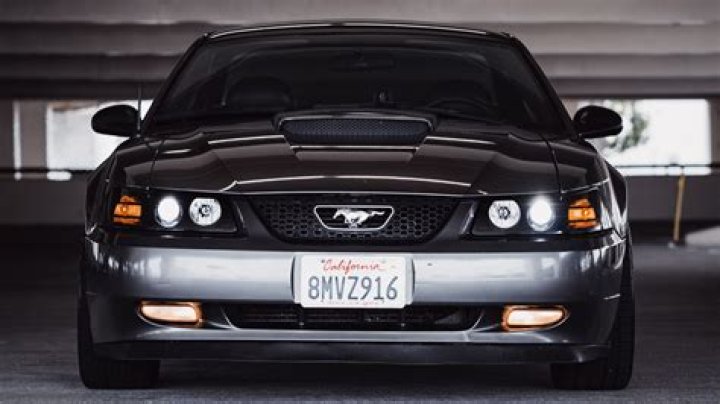
Have you ever wondered how wide a car is and why it matters? Whether you're planning to park in tight spaces, navigating narrow roads, or simply curious about vehicle dimensions, understanding the width of a car is crucial. This article will delve into the intricacies of car width, covering everything from standard measurements to variations across different vehicle types.
Vehicle dimensions play a significant role in driving safety, parking convenience, and overall usability. Knowing the exact width of a car can help drivers make informed decisions, especially in urban environments where space is limited. Whether you're a first-time car buyer or a seasoned driver, this guide will provide valuable insights into car width.
In this article, we'll explore the factors that determine how wide a car is, examine various vehicle types, and provide practical tips for navigating tight spaces. By the end of this guide, you'll have a clear understanding of car width and its importance in everyday driving scenarios.
What is Car Width?
Car width refers to the horizontal measurement of a vehicle from one side to the other, excluding external components such as mirrors. It is an essential dimension that affects how a car fits into parking spaces, garages, and narrow roads. Understanding car width is crucial for drivers who frequently navigate urban areas or park in tight spaces.
When discussing car width, it's important to differentiate between the width with mirrors and the width without mirrors. The width without mirrors is the standard measurement used in most vehicle specifications. This measurement is particularly relevant when determining whether a car can fit through a specific space or gateway.
Average Car Width Across Vehicle Types
The average car width varies depending on the type of vehicle. Compact cars, sedans, SUVs, and trucks all have different width measurements. Here's a breakdown of the average widths for various vehicle types:
- Compact Cars: 64-67 inches (162-170 cm)
- Sedans: 70-75 inches (178-190 cm)
- SUVs: 75-85 inches (190-216 cm)
- Trucks: 78-90 inches (198-229 cm)
These measurements provide a general idea of how wide different types of vehicles are. However, it's important to note that variations exist within each category due to differences in design and manufacturer specifications.
How to Measure Car Width
Measuring car width is a straightforward process that requires a few simple tools. Follow these steps to accurately measure the width of your vehicle:
- Position the car on a flat surface.
- Measure from one side of the car to the other, excluding mirrors.
- For a more precise measurement, use a tape measure or a laser measuring tool.
It's important to measure the width without mirrors, as this is the standard measurement used in vehicle specifications. If you need to include mirrors in your measurement, ensure they are fully extended to get an accurate reading.
Car Width by Vehicle Type
Compact Cars
Compact cars are designed for urban driving and are known for their maneuverability and fuel efficiency. Their width typically ranges from 64 to 67 inches (162-170 cm). This makes them ideal for navigating narrow streets and fitting into tight parking spaces.
Sedans
Sedans offer a balance of comfort, performance, and practicality. Their width usually falls between 70 and 75 inches (178-190 cm). This makes them suitable for both city driving and highway cruising.
SUVs
SUVs are designed for versatility and offer more space and ground clearance than sedans. Their width typically ranges from 75 to 85 inches (190-216 cm). While they provide more room for passengers and cargo, their larger size can make them challenging to park in tight spaces.
Factors Affecting Car Width
Several factors influence the width of a car, including:
- Vehicle Type: Different types of vehicles are designed with varying widths to meet specific needs.
- Manufacturer Specifications: Each manufacturer has its own design and engineering standards, which can affect car width.
- Market Demand: Consumer preferences and market trends can influence the width of vehicles produced by manufacturers.
- Safety Regulations: Government regulations regarding safety and emissions can impact vehicle design, including width.
Understanding these factors can help drivers make informed decisions when purchasing a vehicle.
Why Car Width Matters
Car width is an important consideration for several reasons:
- Parking Convenience: Narrower cars are easier to park in tight spaces, making them ideal for urban driving.
- Navigating Narrow Streets: A narrower car can navigate narrow streets and alleys more easily than a wider vehicle.
- Safety: Proper understanding of car width can help drivers avoid accidents and ensure safe passage through tight spaces.
- Fuel Efficiency: Smaller, narrower cars often have better fuel efficiency, making them more economical to drive.
By considering car width, drivers can choose vehicles that suit their driving needs and environments.
Navigating Narrow Streets and Tight Spaces
Narrow streets and tight spaces can be challenging for drivers, especially those with wider vehicles. Here are some tips for navigating these situations:
- Be aware of your car's width and ensure it can fit through the space.
- Use side mirrors to gauge the distance between your car and obstacles.
- Drive slowly and carefully to avoid accidents.
- Consider alternative routes if the space is too tight.
Practicing these techniques can help drivers navigate narrow streets and tight spaces with confidence.
Tips for Parking Wide Vehicles
Parking wide vehicles can be challenging, but with the right techniques, it can be done safely and efficiently. Here are some tips for parking wide vehicles:
- Choose parking spaces that are wide enough to accommodate your vehicle.
- Use parking aids such as sensors and cameras to assist with maneuvering.
- Park at an angle to maximize space and make it easier to exit the parking spot.
- Be mindful of other vehicles and pedestrians when parking.
By following these tips, drivers can park wide vehicles with ease and avoid potential damage.
Frequently Asked Questions
Here are some common questions about car width:
- What is the average width of a car? The average width of a car varies depending on the type of vehicle, but it typically ranges from 64 to 85 inches (162-216 cm).
- Does car width affect fuel efficiency? While car width itself doesn't directly affect fuel efficiency, smaller, narrower cars often have better fuel efficiency due to their lighter weight and aerodynamic design.
- Can I modify the width of my car? Yes, modifications such as adding or removing external components can affect the width of a car, but it's important to ensure these changes comply with safety regulations.
Conclusion
Understanding how wide a car is and why it matters is essential for drivers navigating various driving scenarios. From compact cars to SUVs, each vehicle type has its own width specifications that affect parking, maneuverability, and safety. By measuring car width accurately and considering factors such as vehicle type and market demand, drivers can make informed decisions when purchasing and operating vehicles.
We encourage readers to share their experiences and insights in the comments section below. Additionally, feel free to explore other articles on our site for more valuable information on automotive topics. Together, let's enhance our driving knowledge and make the roads safer for everyone.




