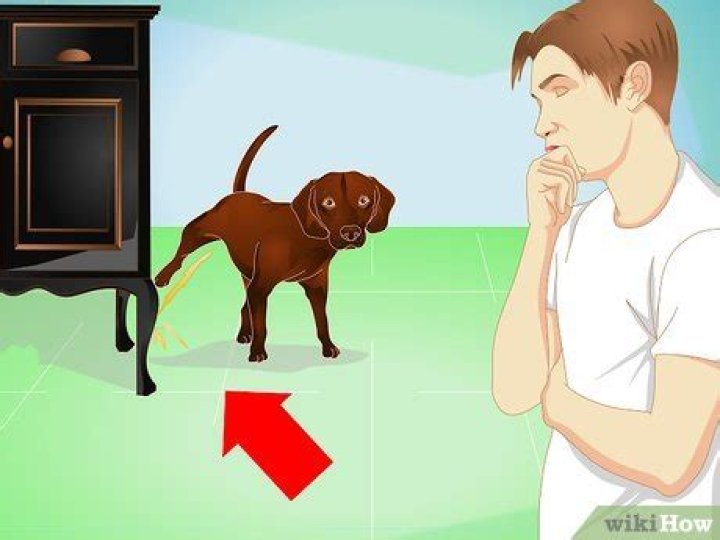
Housebreaking an adult dog can be a challenging but rewarding process. If you're adopting an older dog or dealing with behavioral issues, understanding the steps to properly housebreak them is essential for a harmonious home environment. With the right techniques and patience, you can teach your adult dog to become house-trained effectively.
Many dog owners believe that housebreaking is only necessary for puppies. However, adult dogs may also require training due to various reasons, such as past neglect, trauma, or changes in their environment. This guide will provide you with actionable tips and strategies to ensure your adult dog learns proper bathroom habits.
By following the principles outlined in this article, you'll gain the expertise needed to address common challenges and create a structured routine for your dog. Let's dive into the world of housebreaking an adult dog and discover how to make this process as smooth as possible.
Why Housebreaking an Adult Dog is Important
Housebreaking an adult dog goes beyond just teaching them where to relieve themselves. It plays a crucial role in building trust and strengthening the bond between you and your pet. An untrained dog may struggle with adapting to a new home, leading to stress and anxiety. By addressing this issue, you're not only improving their behavior but also enhancing their overall well-being.
Additionally, a housebroken dog contributes to a cleaner and more pleasant living environment for both you and your family. This process requires commitment and consistency, but the long-term benefits are well worth the effort.
Common Challenges in Housebreaking Adult Dogs
Before diving into the methods, it's important to understand the challenges that may arise when housebreaking an adult dog. These challenges can vary depending on the dog's background, age, and temperament. Here are some common obstacles:
- Previous lack of training
- Trauma or fear from past experiences
- Medical conditions affecting bathroom habits
- Resistance to change in older dogs
By being aware of these challenges, you can better prepare yourself to tackle them with patience and understanding.
Establishing a Routine for Housebreaking
A consistent routine is the foundation of successful housebreaking. Adult dogs thrive on structure and predictability, which helps them learn faster. Below are key steps to establish a routine:
Creating a Feeding Schedule
Feeding your dog at the same times each day helps regulate their bathroom schedule. This predictability allows you to anticipate when they'll need to go outside. For instance:
- Feed in the morning after waking up
- Provide lunch around midday
- Offer dinner in the evening
Setting Bathroom Times
Take your dog outside immediately after meals, naps, and playtime. These are the times when they're most likely to need to relieve themselves. Stick to a specific location to reinforce the behavior.
The Power of Positive Reinforcement
Positive reinforcement is one of the most effective tools in dog training. Rewarding your dog for good behavior encourages them to repeat it. Here's how you can apply it during housebreaking:
- Praise your dog enthusiastically when they eliminate outside
- Offer treats as a reward for correct behavior
- Use verbal cues like "good job" to reinforce the action
Remember to reward immediately after the desired behavior to ensure your dog makes the connection.
Managing Accidents Effectively
Accidents are bound to happen during the housebreaking process. How you handle them can significantly impact your dog's progress. Here's what you should do:
Avoid Punishment
Punishing your dog for accidents can create fear and confusion. Instead, focus on cleaning the area thoroughly with an enzyme-based cleaner to eliminate any lingering scent that might encourage them to repeat the behavior.
Supervision is Key
Keep a close eye on your dog, especially during the initial stages of training. If you catch them in the act indoors, gently interrupt and guide them outside to the designated spot.
The Crating Method for Housebreaking
The crating method is a popular technique for housebreaking adult dogs. It leverages a dog's natural instinct to avoid soiling their sleeping area. Here's how to implement it:
- Choose a crate that's large enough for your dog to stand, turn around, and lie down comfortably
- Introduce the crate gradually to avoid fear or anxiety
- Limit crate time to reasonable periods based on your dog's age and health
Remember to use the crate as a training tool, not as punishment. With consistent use, your dog will learn to associate the crate with safety and comfort.
Subheading: Overcoming Resistance
Some adult dogs may resist the housebreaking process due to past experiences or ingrained habits. Patience and persistence are key in overcoming this resistance. Try the following strategies:
- Revisit basic obedience commands to build trust
- Gradually increase the time spent outdoors
- Use high-value treats to motivate your dog
Subheading: Dealing with Medical Issues
Medical conditions such as urinary tract infections, bladder problems, or mobility issues can interfere with housebreaking. If your dog seems unable to control their bathroom habits despite training, consult a veterinarian to rule out underlying health problems. Early diagnosis and treatment can make a significant difference in their progress.
Subheading: Training Older Rescue Dogs
Rescue dogs often come with unique challenges, especially if they've never been house-trained before. Building a strong bond and providing a stable environment are crucial steps in their training journey. Here are some tips:
- Start with basic commands to establish communication
- Be patient and consistent in your approach
- Offer plenty of positive reinforcement and affection
Subheading: Tips for Multi-Dog Households
If you have multiple dogs, housebreaking an adult dog can be more complex. However, with the right strategies, you can manage the process effectively. Consider the following:
- Separate the dogs during training sessions to avoid distractions
- Establish individual routines for each dog
- Monitor interactions closely to prevent territorial behavior
Conclusion: Your Role in Successful Housebreaking
Housebreaking an adult dog requires dedication, patience, and understanding. By following the strategies outlined in this guide, you can create a structured and supportive environment that promotes successful training. Remember to celebrate small victories along the way and remain consistent in your approach.
We invite you to share your experiences and tips in the comments section below. Your insights can help other dog owners facing similar challenges. Additionally, don't forget to explore our other articles for more valuable information on dog training and care. Together, let's make a difference in the lives of our beloved pets!
Data sources: American Kennel Club, ASPCA, and PetMD.