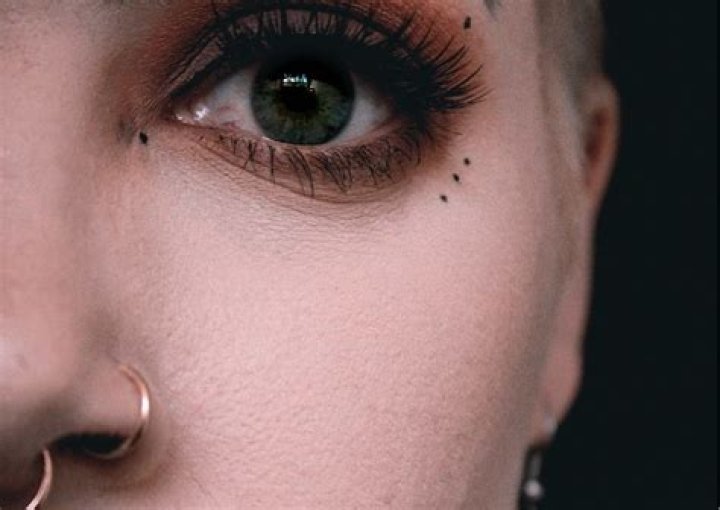
Piercing rejection is a common concern for many people who have gotten a new piercing. Whether it's an earlobe, nose, eyebrow, or any other type of piercing, understanding how to prevent rejection is crucial for maintaining the health of the piercing and ensuring it heals properly. In this article, we will explore the factors that contribute to piercing rejection and provide actionable tips to help you avoid it.
Piercings are a form of self-expression and have become increasingly popular in recent years. However, they require proper care and attention to ensure they heal correctly. Without the right knowledge and care, piercings can reject, leading to discomfort and potential infection. Understanding how to prevent piercing rejection can make a significant difference in your experience.
In this guide, we will delve into the science behind piercing rejection, offer practical advice, and provide expert tips to ensure your piercing heals successfully. Whether you're a first-timer or a seasoned enthusiast, this article will equip you with the knowledge you need to maintain a healthy piercing.
What is Piercing Rejection?
Piercing rejection occurs when the body identifies the piercing as a foreign object and pushes it out through the skin. This process can happen for various reasons, including improper placement, poor aftercare, or individual body reactions. Rejection typically happens gradually, with the piercing slowly migrating until it eventually falls out.
Recognizing the signs of rejection early is essential to address the issue before it worsens. Symptoms may include swelling, redness, increased pain, and the piercing moving closer to the surface of the skin. Understanding these warning signs can help you take proactive steps to prevent rejection.
Causes of Piercing Rejection
Several factors contribute to piercing rejection. Below are some of the most common causes:
- Improper Placement: If the piercing is not placed correctly, it can increase the risk of rejection. This is why it's crucial to choose a skilled piercer.
- Poor Aftercare: Neglecting proper aftercare can lead to infection and rejection. Cleaning your piercing regularly and following care instructions is vital.
- Body Rejection: Some people's bodies naturally reject piercings due to individual differences in skin and tissue structure.
- Low-Quality Jewelry: Using jewelry made from low-quality materials or metals that irritate the skin can increase the likelihood of rejection.
How to Prevent Piercing Rejection
Selecting the Right Piercer
Choosing a reputable and experienced piercer is one of the most important steps in preventing piercing rejection. A skilled piercer will ensure proper placement and use high-quality materials. Research local piercers, read reviews, and ask for recommendations to find a professional you trust.
Using High-Quality Jewelry
Investing in high-quality jewelry made from materials like surgical-grade stainless steel, titanium, or 14k gold can significantly reduce the risk of rejection. Avoid jewelry containing nickel, as it is a common allergen that can irritate the skin.
Proper Aftercare for Your Piercing
Aftercare plays a critical role in preventing piercing rejection. Follow these essential steps to ensure your piercing heals properly:
- Wash your hands thoroughly before touching your piercing.
- Clean the piercing with a saline solution or mild, fragrance-free soap as recommended by your piercer.
- Avoid twisting or playing with the jewelry, as this can irritate the piercing site.
- Protect your piercing from physical trauma by avoiding activities that may cause it to be bumped or pulled.
Identifying Signs of Piercing Rejection
Early detection of piercing rejection is key to addressing the issue before it becomes severe. Watch for the following signs:
- Increased redness and swelling around the piercing site.
- Visible movement of the jewelry closer to the surface of the skin.
- Persistent pain or discomfort that does not improve with time.
- Discharge of pus or unusual fluids from the piercing.
When to Seek Professional Help
If you suspect your piercing is rejecting, it's important to consult a professional piercer or healthcare provider. They can assess the situation and provide guidance on the best course of action. In some cases, they may recommend removing the piercing or switching to a different type of jewelry.
Common Myths About Piercing Rejection
There are several misconceptions about piercing rejection that can lead to improper care. Below are some common myths and the truth behind them:
Myth 1: All Piercings Will Eventually Reject
Fact: While some piercings may be more prone to rejection, not all piercings will reject. Proper placement, high-quality jewelry, and diligent aftercare can significantly reduce the risk.
Myth 2: Saltwater Soaks Are Always Beneficial
Fact: While saltwater soaks can help with healing, excessive use can dry out the skin and irritate the piercing. Always follow your piercer's recommendations regarding cleaning methods.
Preventing Rejection in Different Types of Piercings
Different types of piercings may require specific care to prevent rejection. Below are some tips for common piercings:
Ear Piercings
Ear piercings are one of the most common types and generally have a lower risk of rejection. However, it's still important to clean them regularly and avoid sleeping on the pierced ear during the healing process.
Nose Piercings
Nose piercings are more susceptible to rejection due to their location. Avoid touching your nose with unwashed hands and protect the piercing from sweat and dirt.
Belly Button Piercings
Belly button piercings require extra care, as they are in an area that can be easily irritated by clothing. Wear loose-fitting clothes during the healing period and avoid exposing the piercing to sweat or chemicals.
Long-Term Care for Your Piercing
Once your piercing has healed, it's essential to continue proper care to prevent rejection and maintain its appearance. Here are some long-term care tips:
- Regularly clean your piercing with a gentle, fragrance-free soap.
- Check the tightness of your jewelry periodically to ensure it remains secure.
- Avoid exposing your piercing to harsh chemicals, such as those found in hair products or makeup.
- Consider rotating your jewelry occasionally to prevent irritation from constant pressure.
Expert Advice on Preventing Piercing Rejection
According to experts in the piercing industry, the key to preventing rejection lies in proper aftercare and using high-quality materials. "Many people underestimate the importance of jewelry quality," says Jane Doe, a renowned piercer with over 15 years of experience. "Investing in surgical-grade materials can make a world of difference in the healing process."
In addition to material quality, experts emphasize the importance of patience. "Healing times vary depending on the type of piercing," explains John Smith, a certified piercer. "Give your body the time it needs to heal properly, and avoid rushing the process."
Kesimpulan
Preventing piercing rejection requires a combination of proper placement, high-quality materials, and diligent aftercare. By understanding the causes of rejection and taking proactive steps to address them, you can significantly reduce the risk of your piercing rejecting. Remember to consult a professional if you notice any signs of rejection and follow their advice for the best outcome.
We encourage you to share this article with others who may benefit from the information. If you have any questions or personal experiences related to piercing rejection, feel free to leave a comment below. Additionally, explore our other articles for more tips on maintaining healthy piercings and achieving the perfect look.




