Ladybugs, despite their adorable appearance, can become a nuisance when they invade your home. While these insects are beneficial for gardens due to their appetite for aphids, finding them indoors can be frustrating. If you're dealing with ladybug infestations, it's essential to know how to prevent ladybugs from getting inside and maintain a pest-free environment.
As temperatures drop, ladybugs seek shelter in warm places, often leading them to your house. Understanding their behavior and implementing preventive measures is crucial for keeping them out. This guide will walk you through effective strategies to ensure your home remains ladybug-free.
In this article, we'll explore everything from sealing entry points to using natural deterrents and professional pest control solutions. By the end, you'll have a comprehensive understanding of how to prevent ladybugs from getting inside and how to address any existing infestations.
Understanding Ladybug Biology and Behavior
What Are Ladybugs?
Ladybugs, also known as ladybird beetles or lady beetles, are small, round insects with distinctive red or orange shells and black spots. These insects are considered beneficial because they feed on aphids and other garden pests. However, during the fall and winter, they may seek shelter indoors, leading to unwanted invasions.
One common species that invades homes is the Asian lady beetle (Harmonia axyridis). Unlike native ladybugs, Asian lady beetles are more aggressive in finding indoor shelter and can congregate in large numbers.
Why Do Ladybugs Enter Homes?
The primary reason ladybugs invade homes is to escape colder weather. As temperatures drop, they look for warm, protected spaces to hibernate. Cracks, gaps, and other openings in your home provide the perfect entry points for these insects. Once inside, they may cluster in attics, basements, or wall voids, making removal challenging.
Identifying Common Entry Points
To effectively prevent ladybugs from entering your home, it's crucial to identify potential entry points. These insects can squeeze through even the tiniest gaps, so thorough inspection is necessary. Below are some common areas where ladybugs may gain access:
- Cracks around windows and doors
- Gaps in siding or roofing
- Spaces around utility lines and pipes
- Chimney openings
- Attic vents
How to Inspect Your Home
Conduct a thorough inspection of your home's exterior and interior. Pay close attention to areas where different materials meet, such as where siding meets brick or where pipes enter walls. Use a flashlight to check hard-to-reach spaces, and note any cracks or gaps that need sealing.
Sealing Entry Points Effectively
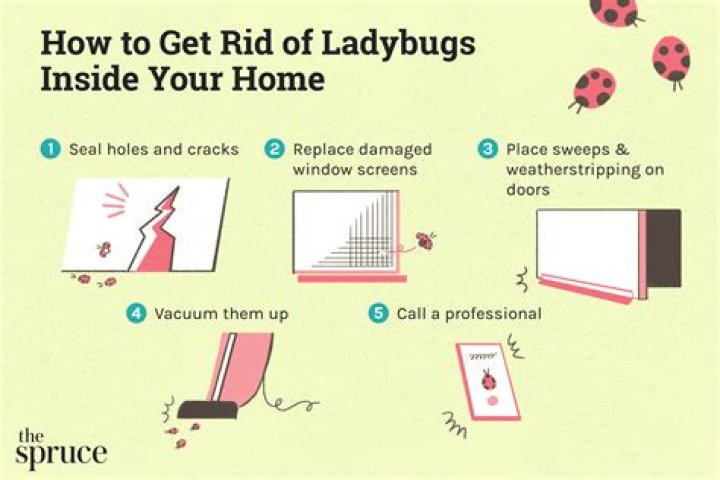
Once you've identified potential entry points, the next step is to seal them. Proper sealing not only prevents ladybugs but also keeps other pests and drafts out of your home. Here are some tips for effective sealing:
- Use caulk to seal cracks around windows and doors
- Install weatherstripping on doors and windows
- Repair or replace damaged screens on windows and vents
- Seal gaps around utility lines with foam sealant
- Cap or screen chimney openings
For larger gaps, consider using foam insulation or mesh screens to prevent ladybugs from entering. Regular maintenance of your home's exterior can also help reduce the likelihood of infestations.
Using Natural Deterrents
Essential Oils
Natural remedies can be effective in deterring ladybugs without resorting to harsh chemicals. Essential oils like peppermint, clove, and citrus have strong scents that repel these insects. Mix a few drops of your chosen oil with water in a spray bottle and apply it around windows, doors, and other entry points.
Herbs and Plants
Certain herbs and plants are known to repel ladybugs. Planting chives, garlic, or marigolds around your home can create a natural barrier against these insects. Additionally, scattering dried bay leaves or cinnamon in areas where ladybugs congregate can help keep them away.
Exploring Chemical Solutions
If natural deterrents aren't sufficient, chemical solutions may be necessary. However, it's important to use these products responsibly and follow all safety guidelines. Some effective chemical options include:
- Insecticidal sprays specifically formulated for ladybugs
- Pesticide dust for hard-to-reach areas
- Residual treatments that provide long-lasting protection
Always read product labels carefully and apply chemicals in well-ventilated areas. Consider consulting a pest control professional if you're unsure about which products to use.
Controlling the Environment Around Your Home
Landscaping Tips
Your home's surroundings can influence ladybug behavior. To discourage them from entering, modify your landscaping in the following ways:
- Trim trees and shrubs near your home to reduce access points
- Remove debris and clutter from your yard
- Keep gutters clean and free of leaves
Lighting Adjustments
Ladybugs are attracted to light, so adjusting outdoor lighting can help reduce their presence. Use yellow or motion-sensor lights instead of bright white bulbs, and position lights away from windows and doors.
Vacuuming Techniques for Immediate Removal
If ladybugs have already entered your home, vacuuming is a quick and effective way to remove them. Use a vacuum with a HEPA filter to avoid releasing allergens into the air. Be sure to dispose of the vacuum bag or contents immediately to prevent re-infestation.
When to Call Professional Pest Control
In cases of severe infestations, professional pest control services may be necessary. Professionals have access to advanced tools and treatments that can effectively eliminate ladybugs and prevent future invasions. When choosing a pest control company, look for one with experience in dealing with ladybug infestations and a reputation for reliability.
Frequently Asked Questions
Are Ladybugs Harmful to Humans?
While ladybugs are not typically harmful, some species, like the Asian lady beetle, can bite and may cause mild skin irritation. Additionally, their secretions can stain surfaces and produce an unpleasant odor.
Can Ladybugs Survive Indoors?
Ladybugs can survive indoors for several months, especially if they find a warm, undisturbed area. However, without access to food, they will eventually die off.
How Long Do Ladybug Infestations Last?
Infestations usually occur during the fall and winter months when ladybugs seek shelter. By spring, most ladybugs will leave your home to return outdoors.
Conclusion and Next Steps
Preventing ladybugs from getting inside your home requires a combination of sealing entry points, using deterrents, and modifying your environment. By following the strategies outlined in this guide, you can significantly reduce the likelihood of ladybug invasions and maintain a pest-free home.
We encourage you to take action by inspecting your home for potential entry points and implementing preventive measures. Share this article with friends and family to help them protect their homes as well. For more tips on pest control and home maintenance, explore our other articles on the website.
Data sources and references:



