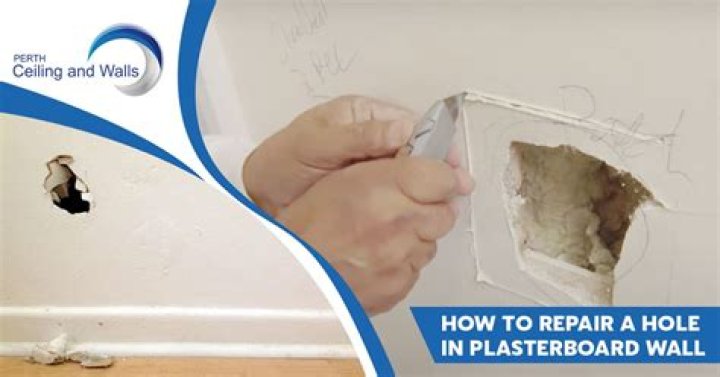
Repairing large holes in your sheetrock walls might seem daunting, but with the right tools and techniques, it can be a manageable DIY project. Whether you're dealing with damage from furniture, accidents, or structural issues, knowing how to patch sheetrock large hole is a valuable skill that can save you money and time. This guide will walk you through every step of the process, ensuring your walls look as good as new.
Sheetrock, also known as drywall, is one of the most common materials used in modern construction. Over time, however, it can suffer from wear and tear, leading to cracks, dents, and large holes. If left unrepaired, these issues can affect the structural integrity of your walls and diminish the aesthetic appeal of your home.
This article aims to provide a step-by-step guide on how to patch sheetrock large hole effectively. By following our expert advice, you'll gain the confidence to tackle this project yourself and achieve professional-quality results. Let's dive into the details.
Tools and Materials You’ll Need
Before diving into the repair process, it's essential to gather all the necessary tools and materials. Having everything ready will ensure a smooth and efficient repair job. Below is a list of items you'll need to patch a large hole in your sheetrock:
Tools
- Utility knife
- Putty knife
- Screwdriver
- Drill
- Tape measure
- Sandpaper or sanding block
- Protective gear (gloves, goggles, mask)
Materials
- Drywall patch or new sheet of sheetrock
- Drywall screws
- Drywall tape
- Joint compound
- Mesh tape
- Primer and paint
Having the right tools and materials is crucial for achieving a successful repair. Ensure you choose high-quality products to ensure durability and longevity of your repair.
Preparing the Area for Repair
Proper preparation is key to any successful sheetrock repair. Start by clearing the area around the damaged wall. Remove any furniture, decorations, or items that might interfere with the repair process. This step ensures safety and provides ample working space.
Safety First
Wear protective gear, including gloves, goggles, and a dust mask, especially if you're working with older sheetrock that might contain asbestos. Ensure the area is well-ventilated to minimize exposure to dust and chemicals.
Cleaning the Surface
Use a damp cloth to clean the damaged area, removing any debris or loose particles. A clean surface ensures better adhesion for the patching materials and improves the overall quality of the repair.
Choosing the Right Patching Method
There are several methods to patch a large hole in sheetrock, and the best approach depends on the size and location of the damage. Below are the most common techniques:
Butterfly Patch Method
This method is ideal for smaller to medium-sized holes. It involves inserting a butterfly-shaped piece of wood or metal behind the sheetrock to support the patch. This technique is quick and effective for holes up to 6 inches in diameter.
Backer Board Method
For larger holes, the backer board method is recommended. This involves attaching a piece of wood or metal behind the hole to act as a support for the patch. It provides a sturdy base for the new sheetrock and ensures a secure repair.
Replacement Panel Method
If the damage is extensive, replacing the entire section of sheetrock might be the best option. This method involves cutting out the damaged area and installing a new piece of sheetrock. It's more labor-intensive but offers the most durable solution.
Cutting Out the Damaged Area
Once you've chosen the patching method, the next step is to cut out the damaged section of the sheetrock. Use a utility knife to carefully cut a square or rectangular shape around the hole. This creates a clean edge for the patch to fit into.
Ensure the cuts are straight and even, as this will make it easier to align the patch. If the hole is irregularly shaped, consider expanding it slightly to create a more manageable square or rectangle.
Applying the Patch
With the damaged area removed, it's time to apply the patch. The method you choose will dictate the specific steps, but the general process involves:
- Securing the patch in place using screws or adhesive
- Applying drywall tape over the seams
- Spreading joint compound over the tape to create a smooth surface
Allow the joint compound to dry completely before sanding it down to a smooth finish. Repeat the process if necessary to achieve a seamless appearance.
Finishing Touches
The final step is to apply primer and paint to the repaired area. This ensures the patch blends seamlessly with the surrounding wall. Use a high-quality primer to seal the joint compound and prevent it from absorbing moisture.
Paint Matching
For the best results, try to match the existing paint color as closely as possible. If the wall has a textured finish, consider using a texture spray to replicate the pattern. This will make the repair virtually undetectable.
Tips for a Flawless Finish
Here are some additional tips to help you achieve a professional-quality repair:
- Use a damp sponge to smooth out the joint compound while it's still wet
- Apply thin layers of joint compound to avoid cracking
- Work in small sections to maintain control and precision
- Let each layer dry completely before applying the next
By following these tips, you'll minimize the risk of errors and achieve a flawless finish.
Common Mistakes to Avoid
Even experienced DIY enthusiasts can make mistakes when repairing sheetrock. Here are some common pitfalls to watch out for:
- Not preparing the surface properly
- Using too much joint compound, which can lead to uneven surfaces
- Skipping the primer step, resulting in patchy paint
- Not allowing adequate drying time between layers
Avoiding these mistakes will save you time and effort in the long run.
Cost Considerations
The cost of repairing a large hole in sheetrock depends on several factors, including the size of the hole, the materials used, and your level of expertise. On average, DIY repairs can cost anywhere from $20 to $100, depending on the materials purchased.
If you're hiring a professional, expect to pay between $100 and $300 for labor and materials. Keep in mind that larger or more complex repairs will naturally cost more.
Frequently Asked Questions
How long does it take to repair a large hole in sheetrock?
The time required depends on the size of the hole and the method used. On average, a DIY repair can take anywhere from a few hours to a couple of days, depending on drying times and the complexity of the job.
Can I use spackle instead of joint compound?
Spackle is a good option for small holes or cracks, but for larger repairs, joint compound is recommended. It provides better adhesion and durability, ensuring a longer-lasting repair.
Do I need to replace the entire wall if there's a large hole?
Not necessarily. In most cases, you can repair the damaged section without replacing the entire wall. However, if the damage is extensive or structural, a full replacement might be necessary.
Kesimpulan
Repairing a large hole in sheetrock is a manageable DIY project with the right tools and techniques. By following the steps outlined in this guide, you can achieve professional-quality results and save money in the process. Remember to prepare the area properly, choose the right patching method, and take your time with each step.
We encourage you to share your experience or ask questions in the comments below. Don't forget to explore our other articles for more home improvement tips and tricks. Happy repairing!




