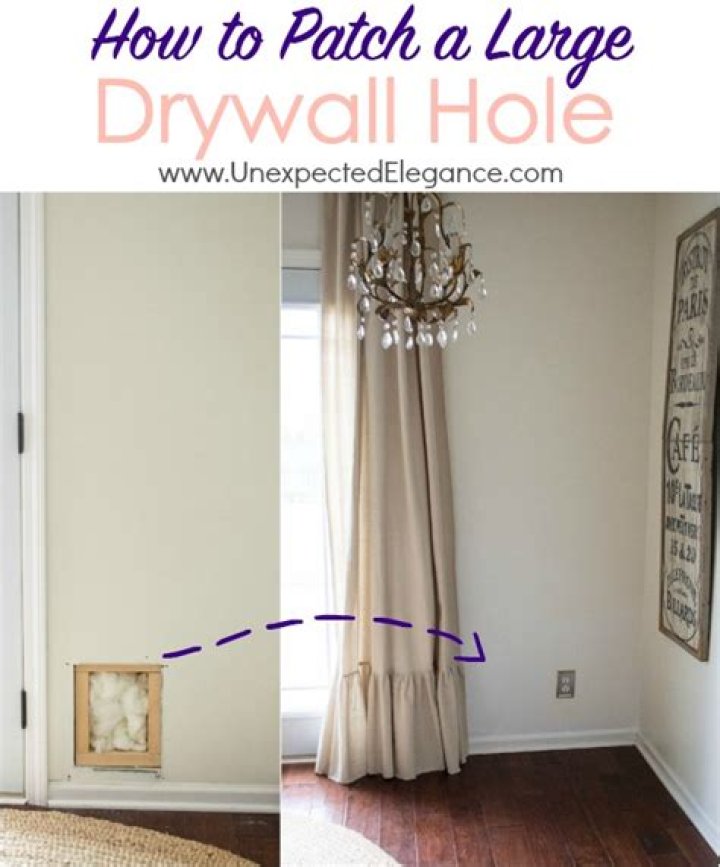
Repairing a large drywall hole can seem intimidating, but with the right steps and tools, it can be a manageable DIY project. Whether you're dealing with damage caused by accidents, wear and tear, or renovations, patching a large drywall hole is an essential skill for any homeowner. This guide will walk you through the process step by step, ensuring your walls look as good as new.
Patching a large drywall hole is not only about aesthetics; it also helps maintain the structural integrity of your walls. Large holes can weaken the wall and lead to further damage if left unrepaired. By addressing the issue promptly, you can prevent costly repairs down the road.
In this article, we'll cover everything you need to know about patching a large drywall hole, from preparing the area to finishing touches. Whether you're a beginner or an experienced DIY enthusiast, you'll find valuable tips and techniques to make the job easier and more effective.
Understanding Drywall and Its Importance
Drywall, also known as plasterboard or gypsum board, is a popular material used in construction for interior walls and ceilings. It provides a smooth surface for painting and decorating while offering fire-resistant properties. Understanding the basics of drywall is crucial when tackling repairs, especially for large holes.
Large drywall holes can compromise the structural integrity of your walls, making it essential to address the issue promptly. Patching a large drywall hole involves more than just filling the gap; it requires proper preparation, materials, and techniques to ensure a durable and seamless repair.
Why Drywall is Preferred in Construction
- Affordable and easy to install
- Fire-resistant properties
- Smooth surface for painting and decorating
- Lightweight and versatile
Tools and Materials Needed
Before starting the repair process, gather all the necessary tools and materials. Having everything ready will make the job smoother and more efficient. Here's a list of what you'll need to patch a large drywall hole:
- Drywall saw or utility knife
- Drywall screws
- Wooden or metal backing strips
- Drywall patch or new drywall piece
- Joint compound
- Sandpaper or drywall sanding screen
- Drywall tape
- Putty knife
- Paint and primer
Investing in quality tools and materials will ensure a better outcome and save you time in the long run.
Preparing the Area for Repair
Proper preparation is key to a successful drywall repair. Start by clearing the area around the hole and removing any loose or damaged drywall pieces. This will give you a clean surface to work with and prevent further damage during the repair process.
Safety Precautions
When working with drywall, it's important to take safety precautions to protect yourself and your surroundings:
- Wear safety goggles to protect your eyes from dust and debris.
- Use a dust mask to avoid inhaling drywall dust.
- Cover furniture and floors with drop cloths to protect them from dust and spills.
Taking these precautions will ensure a safe and efficient repair process.
Patching Methods for Large Holes
There are several methods for patching a large drywall hole, each suited to different situations. The choice of method depends on the size and location of the hole, as well as the materials available. Here are some common techniques:
1. Using a Drywall Patch
A drywall patch is a pre-made piece of drywall with adhesive backing. It's ideal for smaller holes but can also be used for larger ones with additional support. Simply cut the patch to fit the hole and press it into place, securing it with screws or nails.
2. Cutting and Replacing Drywall
For larger holes, cutting and replacing the damaged section of drywall is often the best option. This involves removing the damaged area, installing backing for support, and attaching a new piece of drywall.
Cutting the Drywall for a Clean Edge
A clean, square edge is essential for a successful drywall repair. Use a drywall saw or utility knife to cut around the damaged area, creating a rectangular or square shape. This will make it easier to install backing and attach a new piece of drywall.
Make sure the cut edges are smooth and even to ensure a seamless fit with the new drywall piece.
Installing Backing for Support
When patching a large drywall hole, installing backing is crucial for providing support to the new drywall piece. You can use wooden or metal strips, depending on your preference and availability. Here's how to install backing:
- Cut the backing strips to fit the size of the hole.
- Attach the strips to the back of the drywall using drywall screws.
- Ensure the backing is secure and flush with the surrounding drywall.
Proper backing will help prevent the new drywall piece from sagging or becoming loose over time.
Applying Joint Compound
Joint compound is used to fill gaps and create a smooth surface between the new drywall piece and the surrounding area. Follow these steps for applying joint compound:
- Apply a thin layer of joint compound over the seams and screws using a putty knife.
- Embed drywall tape into the wet compound to reinforce the seams.
- Allow the compound to dry completely before applying additional layers.
Apply multiple layers of joint compound, sanding between each layer, to achieve a smooth finish.
Sanding and Finishing Touches
Sanding is an important step in achieving a seamless repair. Use fine-grit sandpaper or a drywall sanding screen to smooth out the joint compound and remove any rough edges. Be sure to sand lightly to avoid damaging the surface.
Once the area is smooth, inspect it for any imperfections or areas that need additional compound. Make any necessary adjustments before moving on to the final step.
Painting the Repaired Area
The final step in patching a large drywall hole is painting the repaired area to match the surrounding walls. Start by applying a primer to the patched area to ensure proper adhesion and coverage. Then, use a paint roller or brush to apply the paint, blending it with the existing wall color.
If the wall has a textured finish, consider using a texture spray to replicate the original texture before painting.
Preventing Future Damage
Once you've successfully patched a large drywall hole, take steps to prevent future damage:
- Install protective corner guards in high-traffic areas.
- Secure heavy objects to the wall using appropriate anchors.
- Regularly inspect walls for signs of damage and address issues promptly.
By taking preventive measures, you can maintain the integrity of your walls and avoid costly repairs in the future.
Conclusion
Patching a large drywall hole is a rewarding DIY project that can improve the appearance and structural integrity of your walls. By following the steps outlined in this guide, you can achieve professional-quality results with minimal effort. Remember to gather the necessary tools and materials, prepare the area properly, and take safety precautions throughout the process.
We encourage you to share your experience or ask questions in the comments below. If you found this article helpful, consider sharing it with others who might benefit from the information. For more DIY tips and tricks, explore our other articles on home improvement and maintenance.