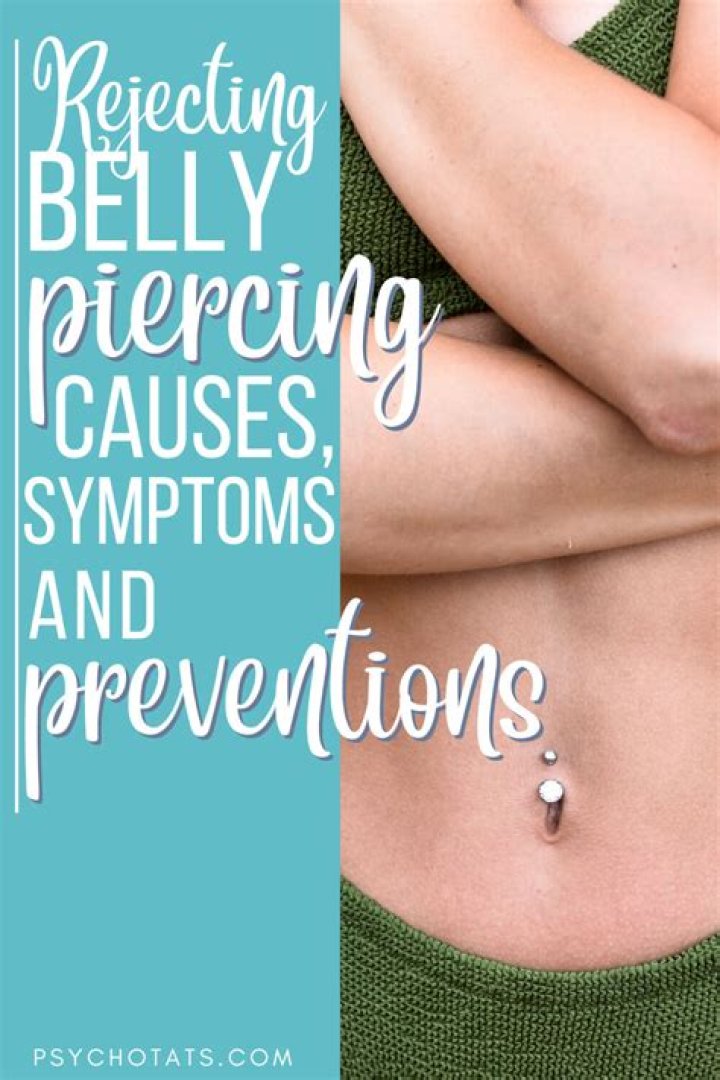
Rejected belly piercings can be painful and frustrating, but understanding the healing process is key to resolving the issue effectively. Many people opt for belly button piercings as a form of self-expression, but complications can arise if the piercing isn't properly cared for. Rejection is one of the most common issues, and knowing how to heal a rejected belly piercing can make all the difference in your recovery journey.
Whether you're new to piercings or have experienced this issue before, it's essential to educate yourself on the signs of rejection, proper care techniques, and preventive measures. This article will guide you through everything you need to know about healing rejected belly piercings, ensuring you take the right steps to avoid further complications.
Our goal is to provide actionable advice backed by expert knowledge, so you can make informed decisions about your health. Let's dive into the details and learn how to manage and heal rejected belly piercings effectively.
Understanding Rejected Belly Piercings
What Does Rejection Mean?
Rejected belly piercings occur when your body perceives the jewelry as a foreign object and attempts to push it out. This process is often referred to as "rejection" because your body is literally rejecting the piercing. Rejection can happen for various reasons, including improper placement, poor hygiene, or individual body reactions.
It's important to recognize that rejection is not always a sign of failure or poor piercing practices. Sometimes, the body simply reacts differently to certain types of jewelry or piercings. Understanding the reasons behind rejection can help you address the issue more effectively.
Common Causes of Rejection
Factors That Contribute to Rejection
Several factors can contribute to the rejection of a belly piercing. Below are some of the most common causes:
- Improper Piercing Placement: If the piercing is too close to the surface of the skin, it may be more prone to rejection.
- Low-Quality Jewelry: Using jewelry made from materials that irritate the skin can increase the risk of rejection.
- Poor Aftercare: Neglecting proper hygiene and care routines can lead to infections or rejection.
- Tight Clothing: Constant friction from tight clothing can irritate the piercing site and hinder healing.
By addressing these factors, you can significantly reduce the likelihood of rejection.
Identifying Symptoms of Rejection
Signs to Watch For
Recognizing the symptoms of a rejected belly piercing is crucial for timely intervention. Below are some common signs:
- Redness and swelling around the piercing site
- Discharge or pus-like secretion
- Increased pain or tenderness
- Visible movement of the jewelry
- Thinning of the skin around the piercing
If you notice any of these symptoms, it's important to take action immediately to prevent further complications.
Proper Care for Healing
Steps to Accelerate Healing
Healing a rejected belly piercing requires a combination of proper care and patience. Follow these steps to promote healing:
- Clean the Piercing: Use a saline solution to clean the area twice daily. Avoid using harsh chemicals or alcohol, as they can irritate the skin.
- Keep It Dry: Avoid submerging the piercing in water for extended periods. Shower carefully and pat the area dry with a clean towel.
- Wear Loose Clothing: Reduce friction by wearing loose-fitting clothes that allow the piercing to breathe.
- Avoid Touching: Refrain from touching the piercing with unwashed hands to minimize the risk of infection.
Consistency is key when it comes to healing. Stick to these practices until the piercing is fully healed.
Preventive Measures
How to Prevent Rejection
Preventing rejection starts with choosing the right piercing studio and following expert advice. Consider the following tips:
- Select a reputable piercer with experience in belly button piercings.
- Opt for high-quality, hypoallergenic jewelry made from materials like surgical steel or titanium.
- Follow the aftercare instructions provided by your piercer carefully.
- Avoid changing the jewelry too soon after the piercing.
Taking these precautions can help ensure a smoother healing process and reduce the risk of rejection.
Effective Home Remedies
Natural Solutions for Healing
While professional care is essential, some home remedies can complement the healing process:
- Sea Salt Soaks: Mix one teaspoon of sea salt with a cup of warm water and soak the piercing for 5-10 minutes daily.
- Aloe Vera Gel: Apply pure aloe vera gel to soothe irritation and promote healing.
- Tea Tree Oil: Dilute tea tree oil with a carrier oil and apply it gently to the piercing site to reduce inflammation.
Always consult with a healthcare professional before trying new remedies, especially if you have sensitive skin.
When to Seek Professional Help
Signs You Need Medical Attention
In some cases, rejected belly piercings may require professional intervention. Seek help if you experience:
- Persistent pain or swelling
- Signs of infection, such as fever or worsening redness
- Difficulty removing the jewelry
- Excessive bleeding or discharge
A healthcare provider or experienced piercer can assess the situation and recommend appropriate treatment options.
Debunking Common Myths
Separating Fact from Fiction
There are several myths surrounding rejected belly piercings. Here are a few common ones:
- Myth: All Rejections Are Permanent. Fact: Some rejections can be reversed with proper care and treatment.
- Myth: Changing Jewelry Immediately Helps. Fact: Premature jewelry changes can irritate the piercing and worsen the issue.
- Myth: Piercings Always Heal Within a Few Weeks. Fact: Healing times vary depending on the individual and the piercing location.
Being aware of these myths can help you make better-informed decisions about your piercing.
Recommended Products for Healing
Top Products to Aid Healing
Using the right products can make a significant difference in the healing process. Consider the following options:
- H2Ocean Piercing Aftercare Spray: A gentle, alcohol-free spray designed to cleanse and protect piercings.
- Bactine Antiseptic Cream: Helps prevent infection and soothes irritation.
- Piercing Aftercare Serum: Formulated with natural ingredients to promote faster healing.
Always read the labels and consult with a professional before using new products on your piercing.
Conclusion
Healing a rejected belly piercing requires a combination of knowledge, patience, and proper care. By understanding the causes and symptoms of rejection, you can take proactive steps to address the issue and promote healing. Remember to follow expert advice, use high-quality products, and seek professional help when needed.
We encourage you to share your experiences and tips in the comments below. Your feedback can help others who may be facing similar challenges. Don't forget to explore our other articles for more valuable information on piercings and body modifications. Together, let's create a supportive community that prioritizes health and well-being.



