Deciding to apply through Early Decision can seem like a straightforward process, but what happens when circumstances change? Whether you're rethinking your choice or facing unexpected challenges, understanding how to get out of Early Decision is crucial. This guide will walk you through the steps, considerations, and strategies to navigate this situation effectively.
Choosing the right college is one of the most important decisions you'll make in your academic journey. However, life is unpredictable, and sometimes circumstances arise that may lead you to reconsider your Early Decision commitment. Whether it's financial constraints, a change in personal priorities, or another compelling reason, knowing how to handle this situation can save you from potential regrets.
This article aims to provide you with actionable advice and insights on how to get out of Early Decision, ensuring you make the best choice for your future. We’ll cover everything from understanding the Early Decision process to exploring alternatives and communicating effectively with admissions offices. Let's dive in!
Understanding Early Decision
Before diving into how to get out of Early Decision, it's essential to understand what it entails. Early Decision is a binding agreement between you and the college you apply to. Unlike Early Action, which is non-binding, Early Decision requires you to commit to attending the college if accepted. This means you must withdraw all other applications and attend the college if offered admission.
Key Features of Early Decision:
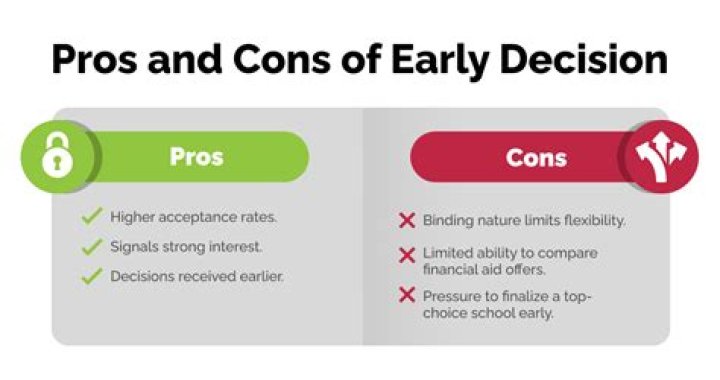
- Binding commitment: You must attend the college if accepted.
- Early notification: You receive a decision earlier than regular applicants.
- Higher acceptance rates: Colleges often have higher acceptance rates for Early Decision applicants.
While Early Decision can be advantageous for students who are confident about their college choice, it can also create complications if circumstances change. Understanding the implications of Early Decision is the first step in deciding whether to pursue this route or seek alternatives.
Reasons to Get Out of Early Decision
There are several valid reasons why students might want to get out of Early Decision. Here are some common scenarios:
Financial Constraints
Financial aid packages can vary significantly between colleges. If the financial aid offered by your Early Decision college doesn't meet your needs, it might be worth exploring other options. Understanding the financial implications of attending a particular college is crucial before making a binding commitment.
Personal Circumstances
Life events such as family changes, health issues, or a shift in personal priorities can influence your decision. It's important to reassess your goals and ensure that the college you choose aligns with your current situation and future aspirations.
Academic Considerations
As your academic interests evolve, you might find that the Early Decision college no longer offers the programs or opportunities you desire. Reevaluating your academic goals is a valid reason to reconsider your commitment.
Steps to Get Out of Early Decision
If you've decided that Early Decision is no longer the right choice for you, here are the steps you can take:
Assess Your Situation
Begin by evaluating your reasons for wanting to get out of Early Decision. Are they compelling enough to justify breaking the agreement? Document your reasons and gather any supporting evidence, such as financial aid letters or personal statements.
Research Your Options
Explore alternative colleges that align with your revised goals. Look into their application deadlines, financial aid policies, and program offerings. This will help you make an informed decision about where to apply next.
Contact the College
Reach out to the admissions office of the Early Decision college and explain your situation. Be honest and respectful in your communication. While there's no guarantee they will release you from the agreement, many colleges are understanding of legitimate circumstances.
Legal and Ethical Considerations
It's important to approach this process ethically and legally. Early Decision is a binding agreement, and breaking it without a valid reason can have consequences. Here are some considerations to keep in mind:
Legal Implications: While there are no legal penalties for breaking an Early Decision agreement, doing so can damage your reputation and future opportunities. Colleges may share information about your actions with other institutions.
Ethical Considerations: Honesty and integrity are key when communicating with colleges. Be transparent about your reasons and avoid making false claims to justify your decision.
Communicating with Colleges
Effective communication is crucial when seeking to get out of Early Decision. Here are some tips for communicating with colleges:
Send a Formal Email
Compose a polite and professional email to the admissions office. Clearly state your reasons for wanting to withdraw from the Early Decision agreement and provide any supporting documentation.
Follow Up
After sending your email, follow up with a phone call if necessary. Be prepared to discuss your situation in more detail and answer any questions the admissions office may have.
Maintain Grace and Respect
Regardless of the outcome, maintain a respectful and gracious attitude. This will help preserve your relationship with the college and demonstrate maturity and professionalism.
Financial Implications
Financial considerations often play a significant role in deciding whether to get out of Early Decision. Here's what you need to know:
Financial Aid Packages: Compare the financial aid offers from different colleges to determine which one best meets your needs. Consider factors such as scholarships, grants, and work-study opportunities.
Tuition Costs: Evaluate the overall cost of attendance, including tuition, housing, and other expenses. Factor in potential increases in tuition over the years.
Loan Options: If financial aid is insufficient, explore loan options carefully. Understand the terms and conditions of any loans you may need to take out.
Alternatives to Early Decision
If you're reconsidering Early Decision, here are some alternatives to consider:
Early Action
Early Action is a non-binding application process that allows you to apply early and receive a decision sooner. Unlike Early Decision, you're not required to commit to the college if accepted.
Regular Decision
Regular Decision allows you to apply by the standard deadline and receive a decision at the same time as other applicants. This gives you more time to explore your options and make an informed decision.
Transfer Options
If you've already enrolled in a college through Early Decision but are unhappy with your choice, consider transferring to another institution after completing a year or two. Many colleges have transfer programs that allow students to continue their education elsewhere.
How Colleges Respond
Colleges may respond differently to requests to get out of Early Decision. Here are some possible outcomes:
Release from Agreement: If your reasons are compelling, the college may release you from the Early Decision agreement, allowing you to apply to other schools.
Denial of Release: In some cases, colleges may deny your request to withdraw from Early Decision. If this happens, you may need to reconsider your options and potentially honor your commitment.
Alternative Solutions: Some colleges may offer alternative solutions, such as deferred enrollment or financial aid adjustments, to address your concerns.
Frequently Asked Questions
Here are some common questions about getting out of Early Decision:
Can I get out of Early Decision if I receive a better financial aid offer?
While financial considerations are valid, breaking an Early Decision agreement solely for a better financial aid offer is generally discouraged. However, some colleges may be willing to reconsider if you can demonstrate significant financial need.
What happens if I break my Early Decision agreement?
Breaking an Early Decision agreement can damage your reputation and future opportunities. Colleges may share information about your actions with other institutions, potentially affecting your ability to apply elsewhere.
Can I apply to other colleges after being accepted through Early Decision?
No, once you're accepted through Early Decision, you're required to withdraw all other applications and attend the college. Breaking this agreement without a valid reason can have negative consequences.
Conclusion
Getting out of Early Decision is a complex process that requires careful consideration and effective communication. By understanding the reasons for your decision, following the appropriate steps, and maintaining ethical integrity, you can navigate this situation successfully.
We encourage you to take action by assessing your options, reaching out to colleges, and exploring alternative pathways. Don't hesitate to share this article with others who may find it helpful or leave a comment with your thoughts. For more insights on college applications and decision-making, explore our other articles on the site. Your future is in your hands—make the best choice for you!




