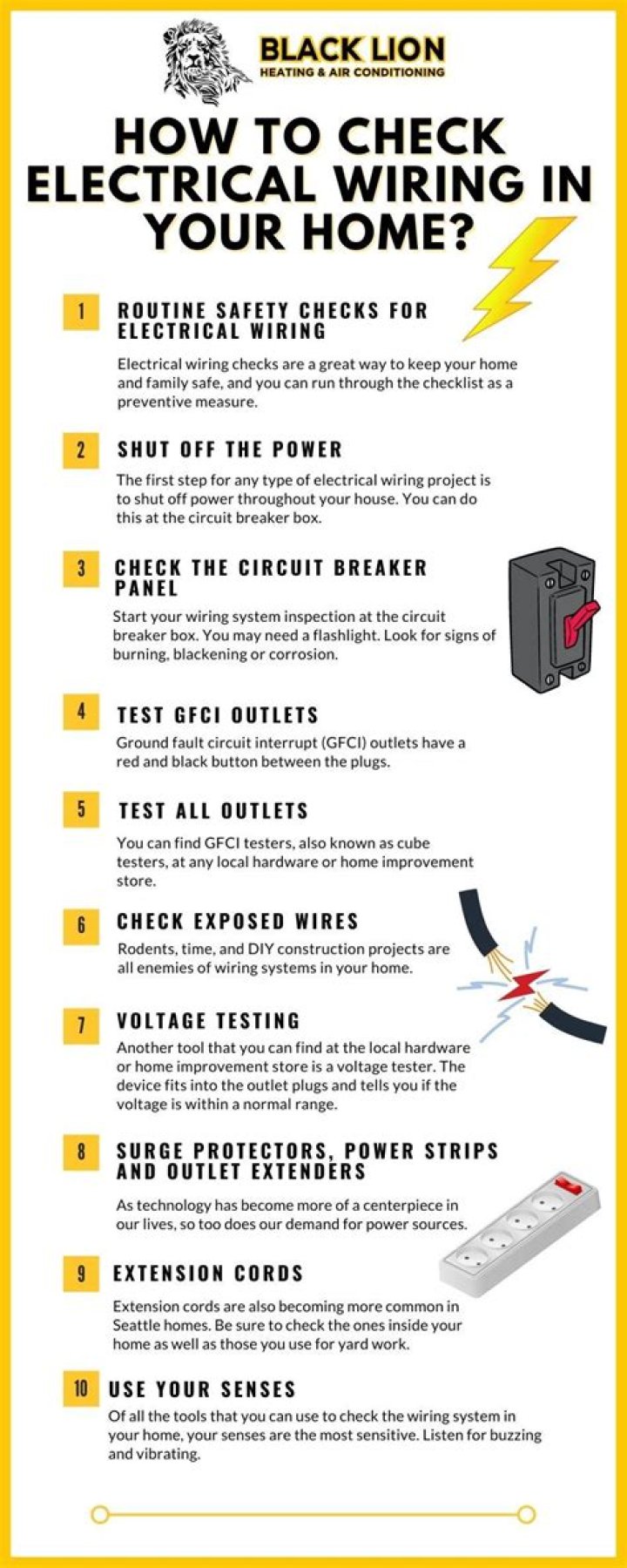
Electrical wiring is one of the most critical components of any building, whether residential or commercial. Proper maintenance and regular checks can prevent dangerous situations like fires or electrical shocks. If you're unsure how to check electrical wiring, this guide will walk you through the process step-by-step, ensuring your safety and the integrity of your electrical system.
Electricity powers nearly every aspect of modern life, but it also poses risks when not properly managed. Understanding how to inspect electrical wiring can help you identify potential hazards before they escalate. This knowledge is not just for professionals; homeowners can benefit from learning the basics of electrical wiring checks to ensure their homes are safe.
By the end of this guide, you'll have a clear understanding of the tools needed, the steps involved, and the precautions to take when checking electrical wiring. Let's dive in and explore how you can safeguard your property and loved ones.
The Importance of Checking Electrical Wiring
Electrical wiring is the backbone of your home's power supply. Over time, wiring can degrade due to wear and tear, environmental factors, or even pests. If left unchecked, faulty wiring can lead to serious consequences such as electrical fires, appliance damage, or even personal injury. According to the National Fire Protection Association (NFPA), electrical failures or malfunctions were factors in an estimated 44,400 home structure fires reported to U.S. fire departments in 2018.
Why Regular Inspections Matter
Regularly checking electrical wiring is crucial for maintaining safety and preventing costly repairs. Here are some reasons why:
- Identifies potential hazards before they become emergencies.
- Ensures compliance with local building codes and regulations.
- Extends the lifespan of your electrical system.
- Reduces the risk of electrical fires and other accidents.
By staying proactive, you can avoid costly repairs and ensure the safety of your home or business.
Tools You'll Need for Checking Electrical Wiring
Before you start inspecting your electrical wiring, it's essential to gather the right tools. Having the correct equipment will make the process easier and safer. Here’s a list of tools you may need:
- Non-contact voltage tester: Detects live wires without physical contact.
- Multimeter: Measures voltage, current, and resistance.
- Screwdrivers: Both flathead and Phillips for accessing panels and outlets.
- Wire strippers: For safely removing insulation from wires.
- Gloves and safety goggles: Protects against electrical shocks and debris.
- Ladder: For accessing higher areas like ceiling fixtures.
Investing in quality tools is important for accuracy and safety. Always ensure your tools are in good condition before use.
Precautions Before Checking Electrical Wiring
Safety should always be your top priority when working with electricity. Here are some precautions to take before you begin:
Turn Off Power at the Main Panel
Before inspecting any wiring, turn off the power at the main breaker. This will prevent accidental electrocution and ensure a safe working environment. Use a non-contact voltage tester to confirm that the power is off before proceeding.
Wear Protective Gear
Wearing gloves and safety goggles can protect you from electrical shocks and debris. It's also a good idea to wear rubber-soled shoes for added insulation.
Basic Steps to Check Electrical Wiring
Once you've taken the necessary precautions, you can begin inspecting your electrical wiring. Follow these basic steps to ensure a thorough check:
Inspect Outlets and Switches
Check all outlets and switches for signs of damage or wear. Look for:
- Loose or cracked outlets.
- Discoloration or burn marks.
- Sparks or buzzing sounds when in use.
These signs may indicate faulty wiring that needs immediate attention.
Examine Wiring in the Main Panel
Open the main panel and inspect the wiring for:
- Loose or exposed wires.
- Corrosion or fraying.
- Improperly labeled circuits.
Ensure all connections are secure and properly insulated.
Common Electrical Wiring Issues to Look For
During your inspection, keep an eye out for these common electrical wiring issues:
Overloaded Circuits
Overloaded circuits occur when too many devices are plugged into a single circuit. This can cause the circuit breaker to trip or, worse, lead to overheating and fire. Signs of overloaded circuits include frequent breaker trips and warm outlets.
Aluminum Wiring
Aluminum wiring, commonly used in homes built between the 1960s and 1970s, can pose a fire hazard if not properly maintained. It expands and contracts more than copper wiring, which can lead to loose connections. If your home has aluminum wiring, consider consulting a professional for an upgrade.
DIY vs Professional Electrical Wiring Inspection
While basic checks can be done by homeowners, some situations require professional expertise. Here's how to decide whether to DIY or hire a professional:
When to DIY
You can safely inspect and perform minor repairs if:
- You have a basic understanding of electrical systems.
- The issue is minor, such as a loose outlet or switch.
- You have the proper tools and safety gear.
When to Call a Professional
Consult a licensed electrician if:
- You're dealing with complex issues like aluminum wiring or outdated systems.
- You're unsure about the cause of a problem.
- You need to upgrade your electrical panel or install new circuits.
Safety Tips When Checking Electrical Wiring
Safety should never be compromised when working with electricity. Here are some additional tips to keep in mind:
- Always double-check that the power is off before touching any wiring.
- Work in a dry area to avoid the risk of electric shock.
- Never attempt to repair or replace components you're unfamiliar with.
- Keep a fire extinguisher nearby in case of emergencies.
By following these guidelines, you can minimize risks and ensure a safe inspection process.
Advanced Techniques for Checking Electrical Wiring
For a more thorough inspection, consider using advanced tools and techniques:
Thermal Imaging
Thermal imaging cameras can detect heat signatures that indicate faulty wiring or overheating components. This non-invasive method allows you to identify issues without dismantling walls or panels.
Continuity Testing
A continuity tester can help you verify that a circuit is complete and functioning correctly. This is useful for diagnosing broken wires or faulty switches.
Regular Maintenance of Electrical Wiring
Regular maintenance is key to preventing electrical issues. Here are some tips for keeping your wiring in top condition:
Schedule Annual Inspections
Hire a professional electrician to inspect your wiring at least once a year. This will help catch potential problems early and ensure compliance with current standards.
Stay Updated on Regulations
Building codes and safety standards evolve over time. Stay informed about any updates that may affect your electrical system.
Conclusion: Why Regular Checks Are Essential
Learning how to check electrical wiring is an invaluable skill for maintaining a safe and functional home. By following the steps outlined in this guide, you can identify potential hazards and take corrective action before they become serious problems. Remember to prioritize safety and consult professionals when necessary.
We encourage you to share this article with others who may benefit from it. If you have any questions or need further clarification, feel free to leave a comment below. Stay safe and keep your electrical system in top condition!
For more in-depth information, refer to sources like the National Electrical Code (NEC) or consult a licensed electrician in your area. Your safety is our priority!



