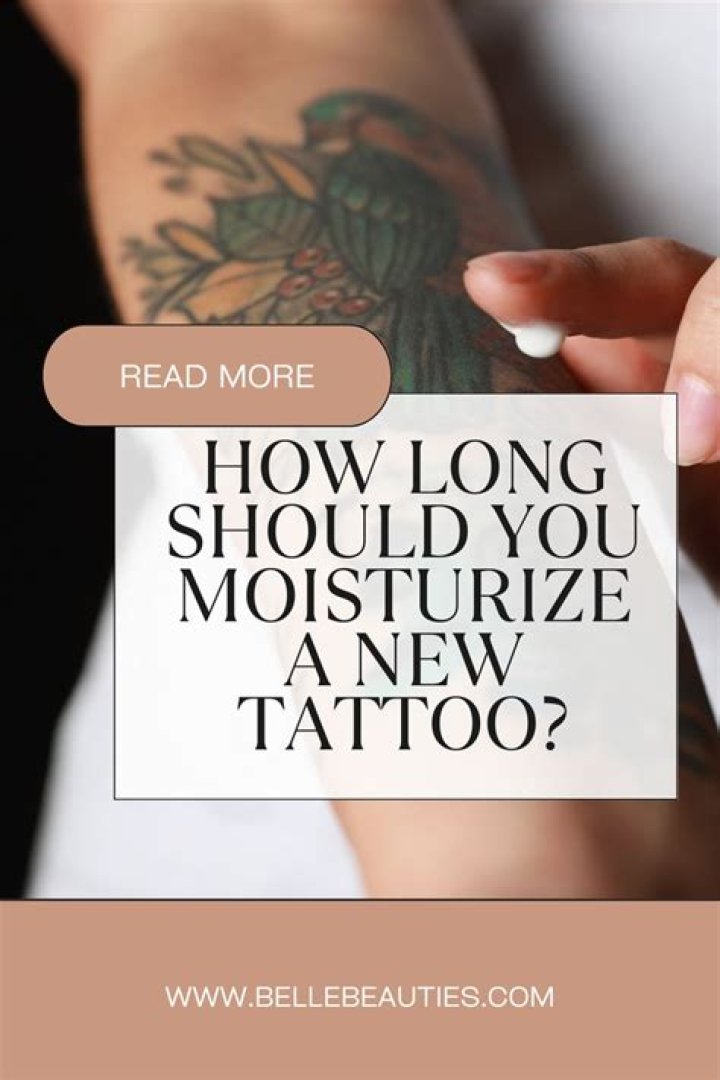
Getting a new tattoo is an exciting yet delicate process that requires proper care to ensure it heals beautifully. Proper aftercare is crucial to maintaining the vibrancy and longevity of your tattoo, and one of the most important aspects of this care is moisturizing. Knowing how often you should moisturize a new tattoo can make all the difference in the healing process.
A tattoo is essentially a wound, and like any wound, it needs time to heal properly. During the healing phase, your skin may feel dry, tight, or even itchy. This is where moisturizing comes in. However, over-moisturizing can lead to complications, so finding the right balance is essential.
In this article, we’ll explore the importance of moisturizing a new tattoo, how often you should do it, and the best practices for ensuring your tattoo heals beautifully. Whether you're a first-time tattoo recipient or adding to your collection, this guide will provide you with the information you need to keep your ink looking its best.
The Importance of Moisturizing a New Tattoo
Moisturizing a new tattoo is more than just keeping it hydrated; it's about supporting the healing process. When you get a tattoo, your skin undergoes trauma, and the healing process can take anywhere from two to four weeks. During this time, your skin will naturally shed dead skin cells, and keeping it moisturized helps prevent scabbing and cracking.
Why Moisturizing Matters
Moisturizing helps maintain the skin's elasticity, which is crucial for preventing the tattoo from fading or becoming distorted. Without proper moisture, the skin can become dry and flaky, which may lead to ink loss. Additionally, moisturizing can reduce itching and discomfort during the healing phase.
Research from dermatological studies has shown that well-moisturized skin heals faster and with fewer complications. By following a consistent moisturizing routine, you can ensure your tattoo heals properly and retains its vibrant colors.
How Often Should You Moisturize a New Tattoo?
One of the most common questions new tattoo recipients have is how often they should moisturize their tattoo. The answer depends on several factors, including the size and location of the tattoo, your skin type, and the specific aftercare instructions provided by your tattoo artist.
General Guidelines
- Moisturize your tattoo 2-3 times a day during the initial healing phase.
- Use a pea-sized amount of moisturizer to avoid over-application.
- Wait at least 3-4 hours between applications to allow the skin to breathe.
It's essential to follow the advice of your tattoo artist, as they know the specifics of your tattoo and your skin's needs. Over-moisturizing can cause the ink to fade or blur, while under-moisturizing can lead to dryness and cracking.
Choosing the Best Moisturizer for Your New Tattoo
Not all moisturizers are created equal, especially when it comes to new tattoos. Choosing the right product can significantly impact the healing process and the overall appearance of your tattoo.
What to Look for in a Tattoo Moisturizer
- Opt for fragrance-free and hypoallergenic options to minimize irritation.
- Choose products specifically formulated for tattoo aftercare, such as Tattoo Goo or Hustle Butter.
- Avoid petroleum-based products like Vaseline, as they can cause ink to fade.
According to a study published in the Journal of Dermatology, moisturizers containing natural ingredients like aloe vera, vitamin E, and coconut oil are highly effective in promoting skin healing. Always check the ingredients list and consult with your tattoo artist before using a new product.
Proper Application Techniques
Applying moisturizer to a new tattoo may seem straightforward, but there are specific techniques to ensure you're doing it correctly. Proper application helps prevent complications and ensures the best results.
Steps for Applying Moisturizer
- Wash your hands thoroughly before touching your tattoo.
- Gently clean the tattoo with mild soap and water, then pat it dry with a clean towel.
- Apply a small amount of moisturizer in a circular motion, ensuring even coverage.
- Avoid pressing too hard, as this can cause irritation.
Consistency is key when it comes to moisturizing. By following these steps, you can ensure your tattoo heals properly and looks its best.
Understanding the Healing Stages of a New Tattoo
The healing process for a new tattoo can be broken down into several stages. Understanding these stages will help you know when and how often to moisturize.
Stage 1: Initial Healing (Days 1-3)
During the first few days, your tattoo will be covered with a protective bandage. Once the bandage is removed, you may notice some redness or swelling. Moisturizing during this stage should be minimal, focusing on keeping the area clean and dry.
Stage 2: Peeling and Scabbing (Days 4-10)
As your tattoo begins to heal, you may notice peeling or scabbing. This is a normal part of the process, but it's crucial to avoid picking at the scabs. Moisturizing during this stage should be more frequent, but still light, to prevent cracking.
Stage 3: Final Healing (Days 11-28)
By the end of the second week, your tattoo should be mostly healed, but it still requires care. Continue moisturizing 2-3 times a day until the skin is fully healed and no longer feels tight or dry.
Common Mistakes to Avoid
Even with the best intentions, many people make mistakes when caring for their new tattoos. Avoiding these common pitfalls can help ensure your tattoo heals properly.
Mistakes to Watch Out For
- Over-moisturizing, which can cause ink to fade or blur.
- Using products with harsh chemicals or fragrances.
- Picking at scabs, which can lead to ink loss and scarring.
- Exposing the tattoo to direct sunlight or chlorine before it's fully healed.
By being mindful of these mistakes, you can avoid complications and ensure your tattoo heals beautifully.
Additional Tips for Tattoo Care
While moisturizing is a crucial part of tattoo aftercare, there are other steps you can take to ensure your tattoo heals properly.
General Care Tips
- Stay hydrated to support skin health.
- Avoid wearing tight clothing that may rub against the tattoo.
- Protect your tattoo from extreme temperatures, such as hot showers or cold weather.
- Consider taking a multivitamin to support overall skin health.
These tips, combined with a consistent moisturizing routine, can help ensure your tattoo heals beautifully and retains its vibrant colors.
Health Considerations and When to Seek Medical Advice
While most tattoos heal without complications, there are instances where medical attention may be necessary. If you notice signs of infection, such as increased redness, swelling, or pus, contact a healthcare professional immediately.
Signs of Infection
- Red streaks radiating from the tattoo.
- Warmth or tenderness around the tattoo.
- Fever or chills.
It's always better to err on the side of caution when it comes to your health. If you're unsure about any aspect of your tattoo's healing process, consult your tattoo artist or a healthcare professional for advice.
Long-Term Care for Your Tattoo
Once your tattoo is fully healed, the care doesn't stop there. Long-term care is essential to maintaining the vibrancy and longevity of your tattoo.
Tips for Long-Term Tattoo Care
- Continue moisturizing regularly, even after the healing phase.
- Use sunscreen with at least SPF 30 to protect your tattoo from UV damage.
- Avoid exposing your tattoo to harsh chemicals, such as those found in cleaning products.
By following these tips, you can ensure your tattoo remains vibrant and beautiful for years to come.
Conclusion: Keep Your Tattoo Vibrant and Healthy
Moisturizing a new tattoo is a crucial part of the healing process, and knowing how often to do it can make all the difference. By following the guidelines outlined in this article, you can ensure your tattoo heals beautifully and retains its vibrant colors.
We encourage you to share this article with others who may be considering getting a tattoo or are in the process of healing one. Your feedback and questions are always welcome, so feel free to leave a comment below. And don't forget to explore our other articles for more tips and advice on tattoo care and maintenance.



