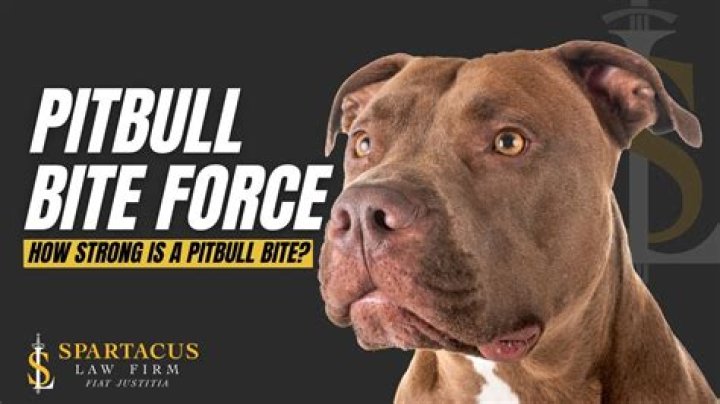
When it comes to discussing the bite force of a pitbull, it is essential to understand the strength and capabilities of this remarkable breed. Pitbulls, often misunderstood, possess a bite force that has been the subject of much debate and curiosity. Their reputation as powerful dogs has sparked numerous questions about their physical abilities, particularly their jaw strength.
Contrary to popular belief, pitbulls are not inherently aggressive. Their bite force is a natural trait tied to their ancestry and breeding history. This article aims to clarify misconceptions and provide factual information about the bite force of a pitbull, exploring its origins, significance, and comparisons to other breeds.
By delving into scientific data and expert opinions, we will uncover the truth behind the pitbull's bite force and address the concerns that surround this topic. Understanding the true nature of pitbulls can help dispel myths and promote responsible pet ownership.
Understanding Bite Force: What It Really Means
Bite force refers to the amount of pressure exerted by an animal's jaws when it clamps down on an object. In dogs, this measurement is typically expressed in pounds per square inch (PSI). The bite force of a pitbull is often cited in discussions about canine strength, but what exactly does this measurement entail?
Several factors contribute to a dog's bite force:
- Skull structure and jaw anatomy
- Muscle composition
- Size and weight of the dog
- Breed-specific traits
For pitbulls, their bite force is often exaggerated in popular media, leading to misconceptions about their capabilities. Scientific studies provide a clearer picture of their actual strength, which we will explore in detail below.
How Much Bite Force Does a Pitbull Have?
According to scientific research, the average bite force of a pitbull is estimated to be around 235 PSI. This measurement places pitbulls among the strongest biting dogs, but it is important to note that this figure is not significantly higher than other large breeds. For comparison:
- Rottweilers: 328 PSI
- German Shepherds: 238 PSI
- Doberman Pinschers: 240 PSI
While pitbulls possess a strong bite force, it is their tenacity and locking jaw mechanism that often sets them apart. However, the "locking jaw" myth has been debunked by experts, as no dog breed has a jaw that physically locks into place.
Debunking the Myths: Pitbulls and Their Bite Force
One of the most persistent myths about pitbulls is the belief that they have an exceptionally high bite force compared to other breeds. While pitbulls are strong and athletic, their bite force is not as extreme as some sources claim. Let's examine the facts:
Myth: Pitbulls Have a Bite Force of 1,000 PSI
This claim has been widely circulated but lacks scientific evidence. Studies conducted by National Geographic and other reputable organizations have consistently shown that pitbulls do not possess a bite force anywhere near 1,000 PSI. The actual measurement is closer to 235 PSI, as mentioned earlier.
Myth: Pitbulls Have a Locking Jaw
This myth suggests that pitbulls can lock their jaws during a bite, making it impossible for them to release their grip. However, anatomical studies have disproven this theory. All dogs, including pitbulls, have the same basic jaw structure and cannot physically lock their jaws.
The Science Behind Bite Force Measurements
Bite force measurements are conducted using specialized equipment that calculates the pressure exerted by a dog's jaws. These tests are performed under controlled conditions to ensure accuracy. Factors such as age, health, and training can influence a dog's bite force, making it difficult to establish a definitive measurement for any breed.
Key findings from bite force studies:
- Pitbulls rank among the top breeds in terms of bite force, but they are not the strongest.
- Individual variations within a breed can lead to differences in bite force.
- Training and temperament play a significant role in a dog's biting behavior.
Comparing Pitbull Bite Force to Other Breeds
While pitbulls have a respectable bite force, they are not the only breed with impressive jaw strength. Below is a comparison of bite force measurements for several popular dog breeds:
Breeds with Higher Bite Force
- Rottweiler: 328 PSI
- English Mastiff: 552 PSI
- Wolf: 406 PSI
Breeds with Similar Bite Force
- German Shepherd: 238 PSI
- Doberman Pinscher: 240 PSI
- Bullmastiff: 249 PSI
It is important to note that bite force alone does not determine a dog's temperament or behavior. Proper training and socialization are crucial in ensuring a dog's safety and compatibility with humans.
Factors Influencing Bite Force in Pitbulls
Several factors contribute to the bite force of a pitbull, including:
1. Skull Structure
Pitbulls have a broad, muscular skull that provides a strong foundation for their jaw muscles. This structure allows them to exert significant pressure during a bite.
2. Muscle Composition
The powerful muscles in a pitbull's jaw and neck contribute to their impressive bite force. These muscles are developed through natural breeding and physical activity.
3. Size and Weight
While pitbulls are medium-sized dogs, their muscular build enhances their overall strength, including their bite force.
4. Breed-Specific Traits
Pitbulls were originally bred for bull-baiting and other tasks that required strong jaws. This history has influenced their physical characteristics and capabilities.
Responsible Ownership: Managing Pitbull Bite Force
Understanding a pitbull's bite force is just the first step in responsible ownership. Proper training and socialization are essential in ensuring that pitbulls remain safe and well-behaved companions. Below are some tips for managing a pitbull's bite force:
- Enroll in obedience training classes from an early age.
- Provide regular exercise and mental stimulation to prevent boredom.
- Supervise interactions with children and other animals.
- Use positive reinforcement techniques to encourage good behavior.
By addressing the needs of a pitbull and fostering a positive environment, owners can help mitigate any concerns about their dog's bite force.
Legal Considerations: Pitbulls and Bite Force
In some regions, pitbulls are subject to breed-specific legislation (BSL) due to concerns about their bite force and potential aggression. These laws often impose restrictions on pitbull ownership, including mandatory muzzling and insurance requirements.
Key points about BSL:
- BSL is controversial and has been criticized for targeting specific breeds rather than addressing individual dog behavior.
- Many organizations, including the American Veterinary Medical Association (AVMA), oppose BSL in favor of breed-neutral laws.
- Education and responsible ownership are more effective in preventing dog-related incidents.
Conclusion: Embracing the Truth About Pitbull Bite Force
In conclusion, the bite force of a pitbull is a fascinating topic that warrants careful examination. While pitbulls possess a strong bite force, it is not as extreme as some myths suggest. By understanding the science behind bite force measurements and addressing misconceptions, we can promote a more accurate and positive perception of this breed.
We invite you to share your thoughts and experiences with pitbulls in the comments below. Additionally, feel free to explore other articles on our website for more insights into canine behavior and responsible pet ownership. Together, we can foster a greater appreciation for these remarkable animals.