Fat is an essential macronutrient that plays a vital role in maintaining overall health and well-being. Understanding how many grams of fat intake per day you need is crucial for achieving a balanced diet and supporting your body's functions. Whether you're aiming for weight loss, muscle gain, or simply maintaining a healthy lifestyle, knowing the right amount of fat to consume is key.
Many people are often confused about fat consumption, especially with conflicting information available online. Some believe that fat is the enemy, while others advocate for high-fat diets. The truth lies somewhere in between. A well-planned diet should include a moderate amount of healthy fats, which provide energy, support cell growth, and help absorb essential vitamins.
In this article, we'll delve into the science behind fat intake, explore how many grams of fat intake per day are recommended, and provide practical tips to incorporate healthy fats into your diet. By the end of this article, you'll have a clearer understanding of how to optimize your fat consumption for better health.
The Importance of Fat in Your Diet
Fat is one of the three macronutrients, alongside carbohydrates and proteins, that your body needs to function properly. It provides energy, supports cell growth, and helps protect your organs. Additionally, fat is crucial for the absorption of fat-soluble vitamins such as A, D, E, and K. Without enough fat in your diet, your body may struggle to perform these essential functions.
Key Functions of Fat in the Body
- Energy source: Fat provides more calories per gram than carbohydrates or proteins, making it an efficient energy reserve.
- Insulation: Fat acts as an insulator, helping to regulate body temperature.
- Protection: It cushions and protects vital organs from injury.
- Hormone production: Fat is involved in the synthesis of hormones, including those that regulate metabolism and reproduction.
While fat is essential, it's important to consume it in moderation and choose the right types of fat to ensure optimal health benefits.
Recommended Grams of Fat Intake Per Day
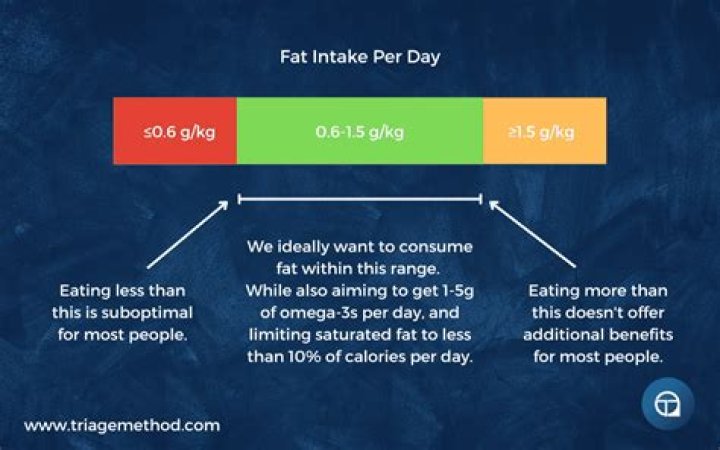
According to the Dietary Guidelines for Americans, adults should aim to get 20-35% of their daily calories from fat. This translates to approximately 44-77 grams of fat per day for someone consuming a 2,000-calorie diet. However, individual needs may vary based on factors such as age, gender, activity level, and overall health goals.
Factors Influencing Fat Intake
- Age: Older adults may require less fat due to decreased metabolic rates.
- Gender: Men generally need more calories and fat than women due to higher muscle mass.
- Activity level: Active individuals may require more fat to fuel their energy needs.
- Health conditions: Certain conditions, such as heart disease or diabetes, may necessitate adjustments in fat intake.
It's important to consult with a healthcare professional or registered dietitian to determine the optimal grams of fat intake per day for your specific needs.
Types of Fat: Which Ones Are Healthy?
Not all fats are created equal. There are several types of fat, each with varying effects on your health. Understanding the differences between them can help you make informed choices about your diet.
Healthy Fats
- Monounsaturated fats: Found in olive oil, avocados, and nuts, these fats can help lower bad cholesterol levels.
- Polyunsaturated fats: Omega-3 and omega-6 fatty acids, found in fatty fish, flaxseeds, and walnuts, are essential for brain function and reducing inflammation.
Unhealthy Fats
- Saturated fats: Found in animal products like butter and red meat, excessive consumption may increase the risk of heart disease.
- Trans fats: Often found in processed foods, these fats should be avoided as they can raise bad cholesterol and lower good cholesterol levels.
Opting for healthy fats can significantly improve your overall health and well-being.
How to Calculate Your Fat Needs
Determining how many grams of fat intake per day you need involves calculating your daily calorie requirements and allocating a portion of those calories to fat. Here's a simple step-by-step guide to help you calculate your fat needs:
- Determine your daily calorie needs based on your age, gender, weight, and activity level.
- Multiply your daily calorie intake by 0.2 to 0.35 to find the percentage of calories that should come from fat.
- Divide the result by 9 (the number of calories per gram of fat) to calculate your recommended grams of fat intake per day.
For example, if you consume 2,000 calories per day and aim for 30% of your calories from fat:
- 2,000 x 0.3 = 600 calories from fat
- 600 ÷ 9 = 67 grams of fat per day
Adjust this calculation based on your individual needs and goals.
Benefits of Consuming Healthy Fats
Incorporating healthy fats into your diet offers numerous health benefits. Here are some of the key advantages:
- Improved heart health: Healthy fats can help lower bad cholesterol levels and reduce the risk of heart disease.
- Enhanced brain function: Omega-3 fatty acids are crucial for cognitive function and may help prevent conditions like Alzheimer's disease.
- Better weight management: Fat provides satiety, helping you feel fuller for longer and reducing the likelihood of overeating.
- Stronger immune system: Healthy fats support the immune system by aiding in the absorption of essential vitamins and minerals.
By prioritizing healthy fats, you can reap these benefits and support your overall health.
Risks of Excessive Fat Intake
While fat is essential, consuming too much can lead to negative health outcomes. Excessive fat intake, particularly from unhealthy sources, may increase the risk of:
- Obesity: Consuming more calories than your body needs can lead to weight gain.
- Heart disease: High intake of saturated and trans fats can elevate cholesterol levels and contribute to heart disease.
- Diabetes: A diet high in unhealthy fats may increase insulin resistance, raising the risk of type 2 diabetes.
- Certain cancers: Some studies suggest a link between high fat intake and an increased risk of certain cancers, such as colorectal and prostate cancer.
Maintaining a balanced diet with moderate fat intake is key to minimizing these risks.
Top Sources of Healthy Fats
Incorporating healthy fats into your diet is easier than you might think. Here are some of the best sources of healthy fats:
- Olive oil: A staple in the Mediterranean diet, olive oil is rich in monounsaturated fats.
- Avocados: These creamy fruits are packed with heart-healthy fats and essential nutrients.
- Fatty fish: Salmon, mackerel, and sardines are excellent sources of omega-3 fatty acids.
- Nuts and seeds: Almonds, walnuts, chia seeds, and flaxseeds provide a variety of healthy fats and antioxidants.
Adding these foods to your meals can help you meet your daily fat requirements while promoting good health.
Meal Planning for Optimal Fat Intake
Planning your meals is a great way to ensure you're consuming the right amount of fat each day. Here are some tips for incorporating healthy fats into your diet:
- Start your day with a balanced breakfast, such as avocado toast or a smoothie with chia seeds.
- Include fatty fish in your lunch or dinner at least twice a week.
- Snack on nuts or seeds instead of processed snacks.
- Use olive oil or other healthy oils for cooking and dressings.
By making conscious choices, you can create a diet that supports your health and well-being.
Tracking Your Daily Fat Intake
Monitoring your fat consumption can help you stay on track with your health goals. Here are some tools and methods to track your daily fat intake:
- Food diary: Keep a written record of everything you eat, noting the grams of fat in each item.
- Mobile apps: Use apps like MyFitnessPal or Cronometer to log your meals and track your macronutrient intake.
- Meal planning: Plan your meals in advance to ensure you're meeting your fat requirements without going overboard.
Regular tracking can help you identify areas for improvement and make adjustments as needed.
Conclusion: Achieving Balance in Fat Consumption
In conclusion, understanding how many grams of fat intake per day you need is essential for maintaining a balanced diet and supporting your overall health. By focusing on healthy fats, calculating your needs, and incorporating them into your meals, you can optimize your fat consumption for better well-being.
We encourage you to take action by tracking your fat intake, experimenting with new recipes, and consulting with a healthcare professional to tailor your diet to your specific needs. Share your thoughts and experiences in the comments below, and don't forget to explore other articles on our site for more health and wellness tips.
Data and statistics in this article are sourced from reputable organizations such as the World Health Organization, the American Heart Association, and peer-reviewed scientific journals.




