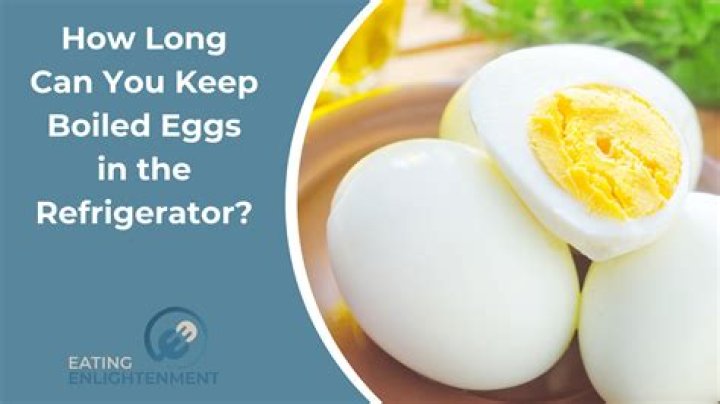
Boiled eggs are a versatile and nutritious food option that can be enjoyed in various ways. However, understanding how long boiled eggs can stay fresh in the refrigerator is essential to ensure their safety and quality. Proper storage practices can extend their shelf life and prevent foodborne illnesses. In this article, we will explore the optimal duration for storing boiled eggs in the refrigerator, along with tips to maximize their freshness.
Many people love boiled eggs because they are quick to prepare and can be eaten as a standalone snack or incorporated into a variety of dishes. However, once boiled, eggs require proper handling and storage to maintain their quality. Knowing how long to store boiled eggs in the refrigerator is crucial for both taste and safety.
This guide will provide you with all the information you need to store boiled eggs effectively. We will discuss the factors that affect shelf life, proper storage techniques, and tips to identify spoiled eggs. Whether you're a busy professional or a home cook, this article will help you make the most of your boiled eggs.
How Long Can Boiled Eggs Stay in the Refrigerator?
Boiled eggs can typically last up to one week in the refrigerator when stored properly. However, this duration may vary depending on factors such as the initial freshness of the eggs and the temperature of your refrigerator. It is essential to consume them within this time frame to ensure their quality and safety.
According to the United States Department of Agriculture (USDA), boiled eggs should be refrigerated at a temperature of 40°F (4°C) or below. This helps inhibit the growth of harmful bacteria, such as Salmonella, which can cause foodborne illnesses. Always check the expiration date on the egg carton and aim to boil and consume them within this period for optimal freshness.
Factors Affecting Shelf Life
Several factors can influence how long boiled eggs remain safe to eat:
- Initial Freshness: Fresher eggs tend to last longer than older ones.
- Storage Conditions: Proper refrigeration and airtight containers can extend shelf life.
- Handling Practices: Avoid cross-contamination by washing hands and utensils before handling boiled eggs.
Tips for Storing Boiled Eggs
Proper storage is key to preserving the quality of boiled eggs. Here are some practical tips:
- Place boiled eggs in an airtight container or resealable plastic bag to prevent them from absorbing odors from other foods in the refrigerator.
- Avoid storing boiled eggs in the refrigerator door, as this area experiences temperature fluctuations.
- Label the container with the date you boiled the eggs to keep track of their freshness.
Additionally, consider peeling the eggs only when you're ready to eat them, as the shell provides a protective barrier against contamination.
Ideal Refrigeration Temperature
The ideal temperature for storing boiled eggs in the refrigerator is between 35°F and 40°F (1.7°C to 4°C). Maintaining a consistent temperature is crucial to prevent the growth of harmful bacteria. If your refrigerator has adjustable temperature settings, ensure it is set within this range.
Investing in a refrigerator thermometer can help you monitor the temperature accurately. Place the thermometer in the coldest part of the refrigerator, usually the back, and check it regularly to ensure optimal conditions.
Signs of Spoiled Boiled Eggs
It is essential to know how to identify spoiled boiled eggs to avoid consuming unsafe food. Here are some signs to watch out for:
- Unpleasant Odor: A sour or sulfuric smell is a clear indication that the egg has gone bad.
- Visible Mold: Check for any mold growth on the shell or the egg itself.
- Changes in Texture: A rubbery or slimy texture may indicate spoilage.
If you notice any of these signs, discard the eggs immediately to avoid any risk of foodborne illness.
Testing Boiled Eggs for Freshness
A simple test can help determine if boiled eggs are still fresh. Fill a bowl with cold water and gently place the egg in it:
- If the egg sinks and lies flat on the bottom, it is still fresh.
- If it stands upright or floats, it may be spoiled and should not be consumed.
Health Benefits of Boiled Eggs
Boiled eggs are not only delicious but also packed with nutrients that contribute to a healthy diet. They are an excellent source of high-quality protein, vitamins, and minerals. Here are some key health benefits:
- Rich in Protein: Boiled eggs provide essential amino acids that support muscle growth and repair.
- Vitamin-Rich: They contain vitamins A, D, and B12, which are vital for vision, bone health, and nerve function.
- Heart Health: Contrary to popular belief, moderate egg consumption can support cardiovascular health due to their healthy fat content.
Boiled eggs are also low in calories, making them an ideal choice for those looking to maintain a balanced diet.
Delicious Recipes with Boiled Eggs
Boiled eggs can be incorporated into a variety of dishes, adding flavor and nutrition to your meals. Here are some delicious recipe ideas:
- Egg Salad Sandwich: Combine boiled eggs with mayonnaise, mustard, and seasonings for a creamy and satisfying sandwich filling.
- Deviled Eggs: Stuff boiled egg halves with a mixture of yolk, mayonnaise, and spices for a classic appetizer.
- Boiled Egg Stir-Fry: Add chopped boiled eggs to your favorite stir-fry for extra protein and texture.
Experiment with different recipes to discover new ways to enjoy boiled eggs.
Comparison Between Boiled and Raw Eggs
While both boiled and raw eggs offer nutritional benefits, there are differences in their safety and usability:
- Safety: Boiled eggs are safer to consume than raw eggs, as the cooking process kills harmful bacteria.
- Usability: Boiled eggs can be used in a wider range of recipes, while raw eggs are typically used in smoothies or baking.
- Nutrient Absorption: Cooking eggs can improve the absorption of certain nutrients, such as protein.
Choose boiled eggs for convenience and safety in most cases.
Nutritional Value of Boiled Eggs
Boiled eggs are a nutrient-dense food, providing essential vitamins and minerals. Here is a breakdown of their nutritional value per large egg:
- Calories: Approximately 68 calories
- Protein: 6 grams
- Fat: 5 grams
- Vitamins: A, D, B12, and others
- Minerals: Iron, phosphorus, and selenium
Regular consumption of boiled eggs can contribute to a well-rounded diet and support overall health.
Food Safety Guidelines for Boiled Eggs
Following proper food safety guidelines is crucial to avoid foodborne illnesses. Here are some tips:
- Wash your hands thoroughly before and after handling boiled eggs.
- Avoid cross-contamination by using clean utensils and surfaces.
- Refrigerate boiled eggs promptly and consume them within one week.
By adhering to these guidelines, you can ensure the safety and quality of your boiled eggs.
Frequently Asked Questions
Can Boiled Eggs Be Frozen?
Yes, boiled eggs can be frozen, but it is best to freeze only the yolks or whites separately. Freezing whole boiled eggs can affect their texture and quality.
Can Boiled Eggs Be Left at Room Temperature?
Boiled eggs should not be left at room temperature for more than two hours, as this can increase the risk of bacterial growth. Always refrigerate them promptly for safety.
Are Boiled Eggs Safe for Pregnant Women?
Yes, boiled eggs are safe for pregnant women as long as they are cooked thoroughly. This ensures the elimination of harmful bacteria, reducing the risk of foodborne illnesses.
Conclusion
In conclusion, understanding how long to store boiled eggs in the refrigerator is essential for maintaining their quality and safety. By following proper storage techniques, monitoring the ideal temperature, and recognizing signs of spoilage, you can enjoy boiled eggs confidently. Their nutritional value and versatility make them a valuable addition to any diet.
We encourage you to share this article with friends and family to spread awareness about proper boiled egg storage. For more tips and recipes, explore our other articles on healthy eating and food safety. Leave a comment below if you have any questions or additional insights to share!