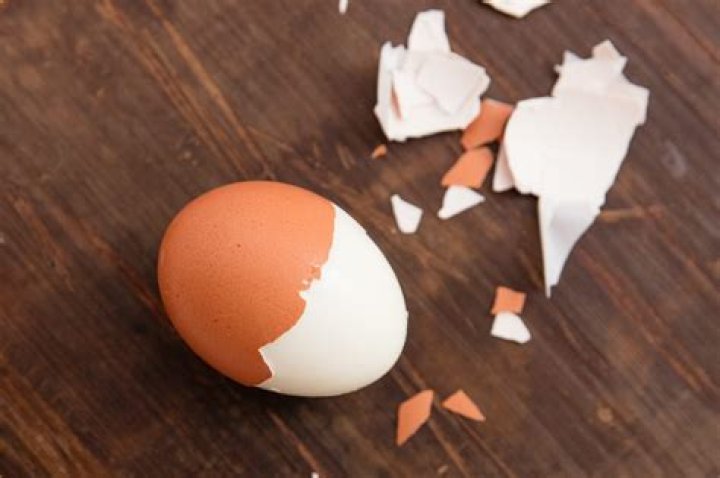
Hard boiled eggs are a versatile and nutritious food option, but knowing how long they last in the refrigerator is crucial to maintaining freshness and safety. Whether you're meal prepping or simply preparing eggs in bulk, understanding the shelf life of hard boiled eggs can save you from food waste and potential health risks. This guide will provide you with all the essential information you need to ensure your hard boiled eggs stay fresh and safe to eat.
Many people wonder about the shelf life of hard boiled eggs, especially when it comes to refrigeration. The truth is, storing them correctly can significantly extend their usability. In this article, we’ll explore everything from proper storage techniques to recognizing signs of spoilage, ensuring you make the most out of your hard boiled eggs.
By the end of this article, you’ll have a clear understanding of how long hard boiled eggs last in the refrigerator, the best practices for storing them, and tips to keep them fresh for as long as possible. Let's dive in!
How Long Do Hard Boiled Eggs Last in the Refrigerator?
Hard boiled eggs can last up to one week in the refrigerator when stored properly. This timeframe applies to both peeled and unpeeled eggs, though unpeeled eggs tend to remain fresher for slightly longer. The key to extending their shelf life lies in maintaining proper storage conditions, such as keeping them in a clean container and ensuring your refrigerator is set to the correct temperature.
According to the U.S. Food and Drug Administration (FDA), refrigerating hard boiled eggs below 40°F (4°C) slows down bacterial growth, preserving their quality. It's important to note that hard boiled eggs should never be left at room temperature for more than two hours, as this increases the risk of contamination.
Factors Affecting Shelf Life
Several factors can influence how long hard boiled eggs last in the refrigerator:
- Storage Temperature: Consistent refrigeration below 40°F is essential.
- Peeled vs. Unpeeled: Unpeeled eggs generally last longer due to their protective shell.
- Container: Storing eggs in an airtight container helps prevent moisture and odors from affecting them.
Proper Storage Tips for Hard Boiled Eggs
Storing hard boiled eggs correctly is vital for maintaining their freshness and preventing spoilage. Follow these tips to ensure your eggs stay safe and delicious:
1. Keep Them in the Refrigerator
Always store hard boiled eggs in the refrigerator, ideally in the main compartment rather than the door. This ensures a consistent temperature and reduces exposure to warm air when the fridge door is opened.
2. Use an Airtight Container
Place your hard boiled eggs in an airtight container to protect them from absorbing odors or moisture from other foods in the fridge. This also helps prevent cracking if the eggs are unpeeled.
3. Label the Date
Mark the date you boiled the eggs on the container to keep track of their shelf life. This simple step can prevent confusion and ensure you consume them within the recommended timeframe.
Food Safety and Hard Boiled Eggs
Food safety is paramount when handling hard boiled eggs. Improper storage or handling can lead to bacterial growth, posing health risks. Salmonella, a common foodborne illness, can be present in raw eggs, so proper cooking and storage are essential.
Here are some safety tips to follow:
- Cook eggs thoroughly until the yolk and white are firm.
- Refrigerate cooked eggs within two hours of boiling.
- Avoid cross-contamination by using clean utensils and surfaces when handling eggs.
Can You Freeze Hard Boiled Eggs?
While freezing hard boiled eggs is possible, it's not recommended due to changes in texture and quality. The whites can become rubbery, and the yolks may develop a dry, crumbly consistency after freezing. However, if you must freeze them, consider separating the yolks and whites and freezing them individually for better results.
Freezing Tips
- Remove the shells before freezing.
- Place the yolks and whites in separate airtight containers or freezer bags.
- Label the containers with the date and intended use.
Signs of Spoilage in Hard Boiled Eggs
Recognizing signs of spoilage is crucial for avoiding foodborne illnesses. Here’s what to look for:
1. Smell
A rotten egg will have a strong, sulfuric odor. If your hard boiled egg smells off, it’s best to discard it.
2. Appearance
Check for any discoloration or mold on the egg. A slimy texture or unusual spots can indicate spoilage.
3. Float Test
Place the egg in a bowl of water. If it sinks and lies flat, it's still fresh. If it floats, it may be spoiled and should be discarded.
Nutritional Value of Hard Boiled Eggs
Hard boiled eggs are a nutrient-dense food, packed with essential vitamins and minerals. Here’s a breakdown of their nutritional value:
| Nutrient | Amount per Egg |
|---|---|
| Calories | 68 |
| Protein | 6 grams |
| Fat | 5 grams |
| Vitamin D | 10% of the Daily Value (DV) |
| Vitamin B12 | 11% of the DV |
Creative Recipes Using Hard Boiled Eggs
Hard boiled eggs are incredibly versatile and can be used in a variety of recipes. Here are a few ideas to incorporate them into your meals:
1. Egg Salad Sandwich
Mash hard boiled eggs with mayonnaise, mustard, and chopped celery for a classic egg salad. Serve on whole grain bread for a nutritious lunch option.
2. Deviled Eggs
Halve the eggs lengthwise, remove the yolks, and mix them with mayonnaise, Dijon mustard, and spices. Pipe the mixture back into the egg whites for a delightful appetizer.
3. Cobb Salad
Add sliced hard boiled eggs to a salad with mixed greens, avocado, bacon, and chicken for a hearty and satisfying meal.
Frequently Asked Questions
Q: Can I eat hard boiled eggs past the expiration date?
A: It depends on how they were stored. If refrigerated properly, they can last up to one week beyond the expiration date. Always check for signs of spoilage before consuming.
Q: Is it safe to eat hard boiled eggs left out overnight?
A: No, hard boiled eggs should not be left at room temperature for more than two hours. Bacteria can grow rapidly, posing a health risk.
Health Benefits of Eating Hard Boiled Eggs
Incorporating hard boiled eggs into your diet offers numerous health benefits:
- High-Quality Protein: Eggs are an excellent source of complete protein, aiding muscle repair and growth.
- Rich in Nutrients: They contain vitamins A, D, and B12, as well as minerals like selenium and zinc.
- Supports Eye Health: Eggs are rich in lutein and zeaxanthin, antioxidants that protect the eyes from damage.
Conclusion
Knowing how long hard boiled eggs last in the refrigerator is essential for maintaining their freshness and safety. By following proper storage techniques, recognizing signs of spoilage, and understanding their nutritional value, you can enjoy this versatile food with confidence.
We encourage you to implement the tips outlined in this article to make the most out of your hard boiled eggs. Feel free to share your thoughts or ask questions in the comments below. For more informative content, explore our other articles and stay updated on all things food and nutrition!



