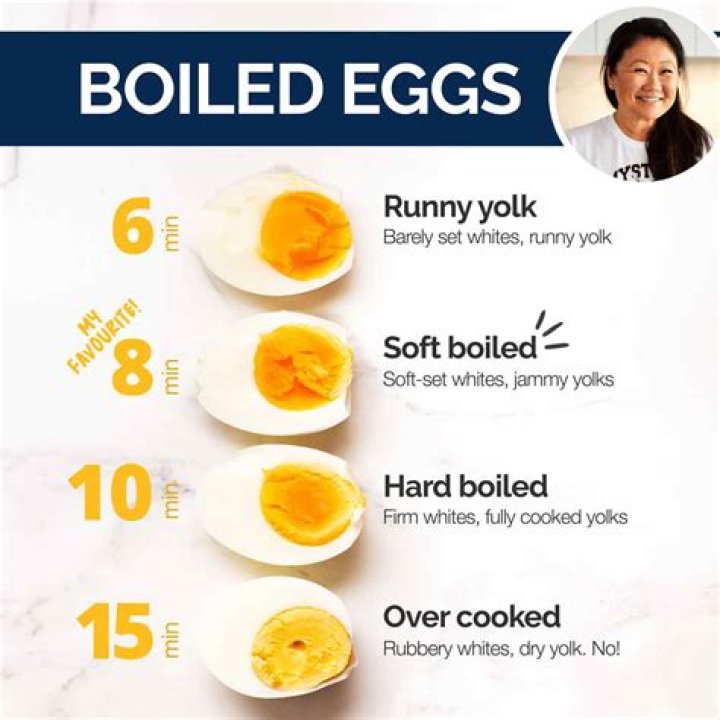
Hard-boiled eggs are a popular and nutritious snack or meal addition, but one of the most common questions about them is how long they last when refrigerated. Proper storage is essential not only to maintain their quality but also to ensure food safety. Whether you're meal prepping or simply trying to avoid food waste, understanding the shelf life of hard-boiled eggs is crucial.
Many people wonder if hard-boiled eggs can stay fresh for days or if they need to be consumed immediately. This article will delve into the specifics of how long hard-boiled eggs last when stored in the refrigerator, offering tips on storage, signs of spoilage, and ways to maximize their shelf life.
By the end of this article, you'll have a clear understanding of the factors that affect the longevity of hard-boiled eggs and how to store them properly to keep them safe and delicious. Let's dive in!
How Long Do Hard-Boiled Eggs Last in the Refrigerator?
When stored properly in the refrigerator, hard-boiled eggs can last up to 7 days. This timeframe is based on guidelines from the USDA (United States Department of Agriculture) and other food safety organizations. However, the actual shelf life may vary depending on factors like the initial freshness of the eggs, the temperature of your refrigerator, and how they are handled after boiling.
It's important to note that the shell of a hard-boiled egg acts as a protective barrier, but it is not entirely impermeable. Over time, moisture and air can penetrate the shell, leading to spoilage if the eggs are not stored correctly. To maximize their shelf life, always store hard-boiled eggs in a clean, airtight container or plastic bag to prevent them from absorbing odors from other foods in the fridge.
Factors That Affect Shelf Life
Several factors can influence how long hard-boiled eggs last in the refrigerator:
- Initial Freshness: Fresher eggs tend to last longer than older ones.
- Refrigerator Temperature: A consistent temperature of 40°F (4°C) or below is ideal for preserving the quality of hard-boiled eggs.
- Storage Method: Storing eggs in an airtight container helps prevent moisture loss and odor absorption.
- Handling: Minimize handling and avoid cracking the shells to prevent contamination.
Tips for Properly Storing Hard-Boiled Eggs
Proper storage is key to extending the shelf life of hard-boiled eggs. Here are some tips to help you store them effectively:
1. Cool Them Quickly
After boiling, cool the eggs immediately in ice water or under cold running water. This step stops the cooking process and prevents overcooking, which can affect the texture and taste of the eggs.
2. Store in the Main Compartment
Place hard-boiled eggs in the main compartment of your refrigerator rather than the door. The door experiences more temperature fluctuations, which can reduce the eggs' shelf life.
3. Label the Container
Always label the container or bag with the date you boiled the eggs. This practice makes it easier to keep track of how long they've been stored and ensures you consume them within the recommended timeframe.
Signs of Spoilage in Hard-Boiled Eggs
Even with proper storage, hard-boiled eggs can spoil over time. Knowing the signs of spoilage can help you avoid foodborne illnesses. Here's what to look for:
1. Smell Test
A rotten egg will have a strong, sulfuric odor. If you notice any unusual smell, it's best to discard the egg immediately.
2. Visual Inspection
Check for any discoloration or mold growth on the shell or egg white. A slimy texture or greenish tint may indicate spoilage.
3. Float Test
Place the egg in a bowl of cold water. If it sinks and lies flat on the bottom, it's still fresh. If it floats, it may be spoiled due to gas buildup inside the shell.
Why Temperature Matters for Egg Storage
Temperature plays a critical role in determining how long hard-boiled eggs last. According to the USDA, bacteria grow rapidly at temperatures between 40°F (4°C) and 140°F (60°C). This range is often referred to as the "danger zone" for food safety.
To ensure your hard-boiled eggs remain safe to eat, always store them in a refrigerator set at 40°F (4°C) or below. If you need to transport them, use a cooler with ice packs to maintain the proper temperature.
Can You Freeze Hard-Boiled Eggs?
Freezing hard-boiled eggs is not recommended because the freezing process can cause the egg white to become rubbery and the yolk to dry out. However, you can freeze raw egg yolks or whites for later use in cooking.
Freezing Tips
- Crack the eggs and separate the yolks from the whites.
- Add a small amount of sugar or salt to the yolks to prevent them from becoming too thick when frozen.
- Store in an airtight container or freezer-safe bag, labeled with the date and contents.
Health Benefits of Hard-Boiled Eggs
Hard-boiled eggs are not only convenient but also highly nutritious. They are an excellent source of high-quality protein, healthy fats, vitamins, and minerals. Here are some of the key health benefits:
1. Rich in Nutrients
One large hard-boiled egg contains about 6 grams of protein, 5 grams of healthy fats, and essential vitamins like B12, D, and E. Eggs also provide minerals such as selenium and iodine.
2. Promotes Satiety
The protein in eggs helps keep you full for longer, making them a great option for weight management.
3. Supports Eye Health
Eggs contain lutein and zeaxanthin, antioxidants that protect the eyes from harmful light waves and reduce the risk of age-related macular degeneration.
Frequently Asked Questions
Here are some common questions about hard-boiled eggs:
1. Can I Leave Hard-Boiled Eggs Out Overnight?
No, hard-boiled eggs should not be left at room temperature for more than two hours. Bacteria can grow rapidly at room temperature, posing a risk of foodborne illness.
2. How Do I Peel Hard-Boiled Eggs Easily?
To make peeling easier, use older eggs rather than fresh ones, as the air pocket inside the shell becomes larger with age. Additionally, cooling the eggs in ice water before peeling can help loosen the shell.
3. Are Hard-Boiled Eggs Healthy?
Yes, hard-boiled eggs are a nutritious and versatile food. They are low in calories and high in essential nutrients, making them an excellent choice for a healthy diet.
Hard-Boiled vs. Raw Eggs: Which Lasts Longer?
Raw eggs generally last longer than hard-boiled eggs when stored properly. Uncooked eggs can last up to 3-5 weeks in the refrigerator, while hard-boiled eggs last only about 7 days. The difference lies in the fact that cooking alters the structure of the egg, making it more susceptible to spoilage.
Expert Advice on Egg Storage
According to food safety experts, the key to preserving the quality of hard-boiled eggs is maintaining proper storage conditions. Dr. Sarah Johnson, a food scientist, emphasizes the importance of keeping the refrigerator temperature consistent and avoiding cross-contamination with other foods.
"Proper storage not only extends the shelf life of hard-boiled eggs but also ensures their safety," says Dr. Johnson. "Always store them in an airtight container and consume them within the recommended timeframe."
Conclusion: Keep Your Hard-Boiled Eggs Fresh and Safe
In conclusion, hard-boiled eggs can last up to 7 days in the refrigerator when stored properly. By following the tips outlined in this article, you can maximize their shelf life and avoid food waste. Remember to always check for signs of spoilage before consuming them and practice safe storage habits.
We encourage you to share this article with friends and family who might find it helpful. For more tips on food storage and nutrition, explore our other articles on the site. Don't forget to leave a comment below with your thoughts or questions!