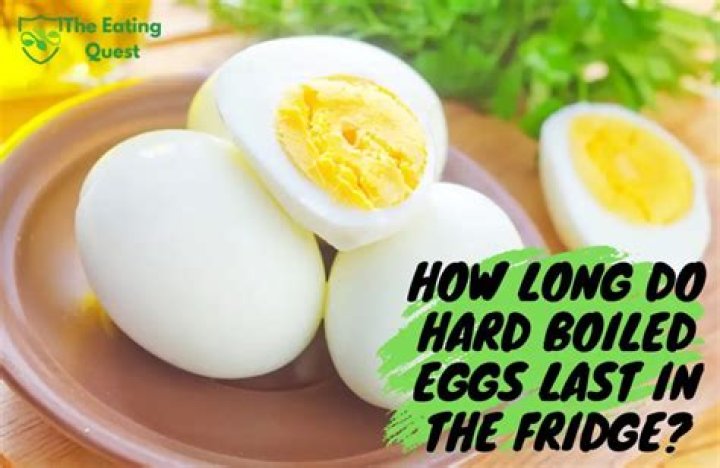
Have you ever wondered how long hard-boiled eggs last in the refrigerator? Proper storage is essential to ensure their safety and quality. Hard-boiled eggs are a nutritious and versatile food, but they can spoil if not stored correctly. Understanding the shelf life of hard-boiled eggs is crucial to avoid foodborne illnesses and waste.
Hard-boiled eggs are a popular choice for snacks, meals, and even meal prep. Whether you're boiling a batch for a quick breakfast or preparing them for an Easter celebration, knowing how long they can stay fresh in the fridge is essential. This article will explore the shelf life of hard-boiled eggs, storage tips, and how to identify signs of spoilage.
In this guide, we'll cover everything you need to know about storing hard-boiled eggs safely. From the ideal storage conditions to recognizing spoilage indicators, we'll provide you with actionable advice to help you make the most of your boiled eggs. Let's dive in!
How Long Do Hard-Boiled Eggs Last in the Refrigerator?
Hard-boiled eggs, when stored properly, can last up to one week in the refrigerator. According to the U.S. Department of Agriculture (USDA), the ideal temperature for storing hard-boiled eggs is between 35°F and 40°F (1.7°C to 4.4°C). Keeping them at this temperature ensures their freshness and prevents bacterial growth.
It's important to note that the shelf life of hard-boiled eggs decreases significantly once they are left at room temperature for more than two hours. Bacteria like Salmonella can multiply rapidly at room temperature, making it crucial to refrigerate them promptly.
Factors Affecting Shelf Life
Several factors can influence how long hard-boiled eggs last in the fridge:
- Storage Temperature: A consistent refrigerator temperature is key to preserving their quality.
- Shell Condition: Eggs with intact shells tend to last longer than those that are peeled.
- Preparation Method: Overcooking or undercooking can affect the texture and shelf life of hard-boiled eggs.
Effective Storage Tips for Hard-Boiled Eggs
Proper storage is essential to maximize the shelf life of hard-boiled eggs. Follow these tips to keep your eggs fresh and safe to eat:
1. Store in the Original Carton
Keeping hard-boiled eggs in their original carton helps protect them from damage and odors in the fridge. The carton also provides a convenient way to label the eggs with the date they were boiled.
2. Use Airtight Containers
If you prefer not to use the carton, store the eggs in an airtight container. This prevents them from absorbing unwanted smells and flavors from other foods in the refrigerator.
3. Avoid Storing on the Door
The temperature on the refrigerator door fluctuates more than the interior shelves. For optimal freshness, store hard-boiled eggs on a shelf rather than the door.
Recognizing Signs of Spoilage in Hard-Boiled Eggs
Even when stored properly, hard-boiled eggs can spoil over time. Here are some signs to look out for:
- Unpleasant Odor: A sour or sulfuric smell indicates spoilage.
- Change in Color: Discoloration or mold growth is a clear sign that the eggs are no longer safe to eat.
- Texture Changes: If the egg white becomes slimy or the yolk develops a chalky texture, it's best to discard them.
Performing the Float Test
The float test is a simple way to check the freshness of hard-boiled eggs. Place the egg in a bowl of cold water:
- If it sinks to the bottom and lies flat, it's fresh.
- If it stands upright or floats, it's likely spoiled and should be discarded.
Nutritional Value of Hard-Boiled Eggs
Hard-boiled eggs are a nutrient-dense food, packed with essential vitamins and minerals. A single large hard-boiled egg contains approximately:
- 68 calories
- 6 grams of protein
- 5 grams of fat
- Vitamins A, B12, and D
- Minerals like selenium and phosphorus
They are also rich in choline, a nutrient vital for brain health and development. Incorporating hard-boiled eggs into your diet can provide numerous health benefits.
Food Safety Concerns with Hard-Boiled Eggs
Food safety is paramount when handling hard-boiled eggs. Salmonella is a common concern, as it can be present in raw eggs. Proper cooking and storage practices help mitigate this risk.
Key Safety Tips
- Cook eggs until the yolk and white are firm to kill any bacteria.
- Refrigerate eggs within two hours of cooking.
- Avoid cross-contamination by using clean utensils and surfaces.
Comparison: Hard-Boiled vs. Raw Eggs Shelf Life
Raw eggs have a longer shelf life than hard-boiled eggs. Unrefrigerated raw eggs can last up to three weeks, while refrigerated raw eggs can remain fresh for four to five weeks. Hard-boiled eggs, on the other hand, should be consumed within one week of boiling.
This difference in shelf life is due to the protective shell of raw eggs, which acts as a natural barrier against bacteria. Once the shell is removed or cracked, the eggs become more susceptible to contamination.
Frequently Asked Questions About Hard-Boiled Eggs
1. Can I Freeze Hard-Boiled Eggs?
Freezing hard-boiled eggs is not recommended, as the texture of the egg white becomes rubbery and unappetizing. However, you can freeze cooked egg yolks for use in recipes.
2. How Do I Peel Hard-Boiled Eggs Easily?
To make peeling easier, use eggs that are at least a week old. Older eggs have a more developed air pocket, making them easier to peel. You can also crack the shell gently and submerge the egg in water to loosen the shell.
3. Are Hard-Boiled Eggs Healthy?
Yes, hard-boiled eggs are a healthy food choice. They are low in calories, high in protein, and rich in essential nutrients. Incorporating them into your diet can support muscle repair, brain function, and overall health.
Delicious Recipes Using Hard-Boiled Eggs
Hard-boiled eggs can be used in a variety of dishes. Here are a few ideas to inspire your cooking:
1. Classic Egg Salad
Mash hard-boiled eggs with mayonnaise, mustard, and diced celery for a delicious egg salad. Serve on bread or as a dip with crackers.
2. Deviled Eggs
Fill halved hard-boiled eggs with a creamy mixture of yolks, mayonnaise, mustard, and spices for a party favorite.
3. Egg Fried Rice
Chop hard-boiled eggs and mix them into fried rice for added protein and flavor.
Conclusion: Making the Most of Your Hard-Boiled Eggs
Hard-boiled eggs are a convenient and nutritious food that can be enjoyed in many ways. By understanding how long they last in the refrigerator and following proper storage techniques, you can ensure their safety and quality. Remember to consume them within one week and always check for signs of spoilage before eating.
We encourage you to share your experiences with hard-boiled eggs in the comments below. Do you have a favorite recipe or storage tip? Let us know! And don't forget to explore our other articles for more food-related insights.
Sources and References
1. U.S. Department of Agriculture. (2021). Food Safety and Inspection Service: Egg Products Preparation.
2. Food and Drug Administration. (2020). Safe Handling of Eggs from Farm to Table.
3. Harvard T.H. Chan School of Public Health. (2022). Nutrition Source: Eggs.




