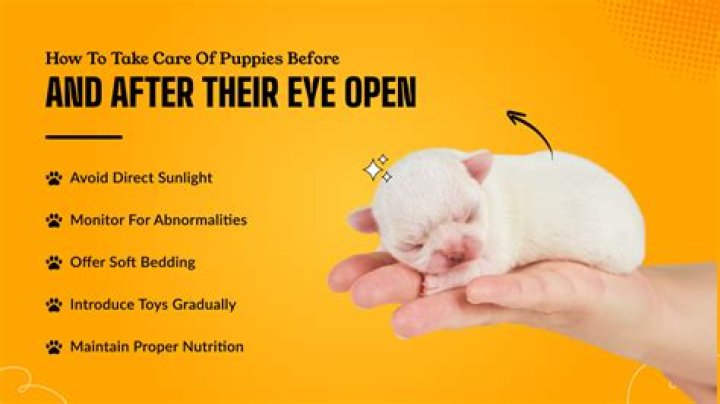
Newborn puppies are some of the cutest creatures on the planet, but they are also delicate and require special care during their early weeks of life. If you're a new puppy owner or breeder, one of the most common questions you might have is: How long before newborn puppies open their eyes? Understanding this developmental milestone is essential to ensure the health and well-being of your furry little ones.
As a responsible pet owner, it's important to know that puppies are born with their eyes closed. This is a natural process that allows their delicate organs to develop safely inside the protection of closed eyelids. During this period, the puppies rely entirely on their mother for warmth, nourishment, and protection.
In this article, we will explore everything you need to know about when and why newborn puppies open their eyes, the developmental stages they go through, and how you can ensure they grow up healthy and strong. Let's dive in!
Why Newborn Puppies Are Born with Their Eyes Closed
Newborn puppies are born with their eyes closed for a very specific biological reason. At birth, their eyes are not fully developed, and the eyelids act as a protective barrier to shield the delicate organs from potential damage. This is a natural adaptation that allows the puppies' eyes to mature safely during the first few weeks of life.
During this time, the puppies rely on their sense of touch and smell to navigate their environment. They are completely dependent on their mother for warmth, food, and protection. The closed eyelids ensure that the puppies' eyes are not exposed to harmful stimuli, such as bright lights or bacteria, which could cause irreversible damage.
Development Timeline: When Do Puppies Open Their Eyes?
On average, newborn puppies will open their eyes between 10 to 14 days after birth. However, this timeline can vary slightly depending on the breed and individual puppy. It's important to note that the eyes may not open fully all at once; they may start with a small slit and gradually widen over the next few days.
Factors That Influence Eye Opening
- Breed: Some breeds may take slightly longer to open their eyes due to genetic factors.
- Health: Healthy puppies tend to follow the standard timeline, while sick or weak puppies may experience delays.
- Environment: A clean, safe, and nurturing environment can support healthy development.
Signs of Healthy Eye Development
As a pet owner, it's crucial to monitor your puppies' eye development closely. Here are some signs that indicate healthy progress:
- Clear Discharge: A small amount of clear discharge is normal during the first few days after the eyes open.
- No Swelling: The eyelids should not appear swollen or inflamed.
- Bright Eyes: Once open, the eyes should be bright and clear, with no signs of cloudiness or redness.
Regular observation can help you catch any potential issues early on and seek veterinary assistance if needed.
Common Eye Issues in Newborn Puppies
While most puppies develop without complications, there are a few common eye issues to watch out for:
- Delayed Eye Opening: If a puppy's eyes have not opened by 14 days, it may indicate an underlying issue.
- Infection: Signs of infection include pus-like discharge, swelling, or redness around the eyes.
- Conjunctivitis: Also known as pink eye, this condition can occur if the eyes are exposed to bacteria or irritants.
Consult your veterinarian immediately if you notice any of these symptoms.
Tips for Caring for Newborn Puppies' Eyes
Proper care during the first few weeks of a puppy's life is essential for their overall health. Here are some tips to ensure their eyes develop properly:
- Keep the Environment Clean: Ensure the whelping area is clean and free from dirt and debris.
- Avoid Forcing Eye Opening: Never attempt to force a puppy's eyes open, as this can cause injury.
- Monitor for Infection: Check the puppies' eyes daily for any signs of infection or irritation.
By following these guidelines, you can help ensure your puppies grow up healthy and strong.
Breed Differences in Eye Opening
While most puppies follow a similar timeline for eye opening, there can be slight variations depending on the breed. For example:
- Small Breeds: Toy breeds like Chihuahuas or Pomeranians may open their eyes slightly earlier than larger breeds.
- Large Breeds: Breeds such as Great Danes or Saint Bernards may take closer to 14 days or slightly longer.
It's important to research your specific breed's developmental patterns to better understand what to expect.
Subheading: Importance of Proper Breeding Practices
Responsible breeding practices play a significant role in ensuring healthy puppy development. Breeders should prioritize the health and well-being of both the mother and her litter, providing a clean and nurturing environment for the puppies to thrive.
Creating the Ideal Environment for Puppies
The environment in which puppies are raised can greatly impact their health and development. Here are some tips for creating the perfect space:
- Temperature Control: Keep the whelping area warm and cozy, especially during the first few weeks.
- Quiet Space: Ensure the area is quiet and free from loud noises that could startle the puppies.
- Proper Nutrition: Provide the mother with a balanced diet to support milk production and her overall health.
A well-prepared environment can make a world of difference in the puppies' early development.
The Role of Veterinary Care
Regular veterinary check-ups are essential for monitoring the health of newborn puppies. Your veterinarian can assess the puppies' growth, check for any potential issues, and provide guidance on proper care. It's important to schedule the first visit within the first few weeks of life to ensure everything is progressing as it should.
Conclusion: Ensuring Healthy Growth
In summary, newborn puppies typically open their eyes between 10 to 14 days after birth. This process is a natural part of their development and should not be rushed or interfered with. As a pet owner or breeder, your role is to provide a safe, clean, and nurturing environment to support their growth and well-being.
We encourage you to share this article with fellow pet enthusiasts and leave a comment below if you have any questions or additional tips. By working together, we can ensure that all puppies grow up healthy and happy. Remember, proper care and attention during the early weeks of life lay the foundation for a lifetime of love and companionship.




