Understanding how a 3-way switch works is essential for anyone interested in home wiring or electrical systems. Whether you're a DIY enthusiast or simply curious about the mechanics behind your home's lighting, this guide will walk you through everything you need to know about 3-way switches. From basic definitions to advanced wiring techniques, we'll cover it all.
Imagine being able to control a single light from two different locations, such as turning on a hallway light from both ends. This is where 3-way switches come into play. They provide convenience and functionality, making them a popular choice for modern homes. However, understanding their inner workings can seem daunting at first.
In this article, we'll break down the concept of 3-way switches in a way that's easy to follow. By the end, you'll have a solid grasp of how these switches operate, their applications, and even how to install them yourself. Let's dive in!
Introduction to 3-Way Switches
A 3-way switch is an essential component in modern home electrical systems, allowing users to control a single light or device from two separate locations. This functionality is particularly useful in areas like hallways, staircases, and large rooms where convenience is key.
Why Are 3-Way Switches Important?
3-way switches provide flexibility and convenience by enabling users to turn lights on and off from different points in a room. This feature is especially valuable in homes with open layouts or multiple entry points. By understanding how these switches work, homeowners can make informed decisions about their lighting setups.
What Is a 3-Way Switch?
A 3-way switch is an electrical switch designed to control a single light or device from two different locations. Unlike a standard single-pole switch, which only has two terminals, a 3-way switch has three terminals, allowing it to connect with another switch to create a multi-location control system.
Key Features of a 3-Way Switch
- Three terminal connections: Common, traveler 1, and traveler 2.
- Ability to work in tandem with another 3-way switch.
- Supports control of a single light or device from two locations.
Components of a 3-Way Switch
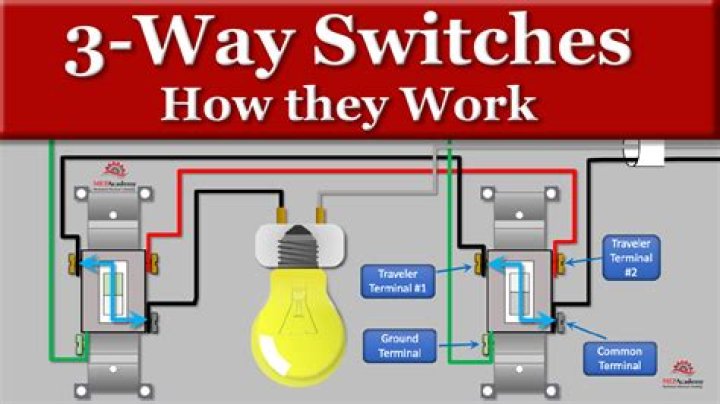
To understand how a 3-way switch works, it's important to familiarize yourself with its components:
- Common Terminal: Connects to the power source or the light fixture.
- Traveler Terminals: Connect to the other 3-way switch via a traveler wire.
- Ground Terminal: Ensures safety by providing a path for excess electricity.
How Does a 3-Way Switch Work?
The operation of a 3-way switch is based on a simple principle: the switches alternate the flow of electricity through the traveler wires, allowing the light to be turned on or off from either location. When one switch is toggled, it changes the circuit's path, enabling the other switch to control the light.
Step-by-Step Explanation
- Power enters the first switch through the common terminal.
- The switch directs the electricity to one of the traveler wires.
- The second switch receives the electricity and directs it to the light or back to the other traveler wire.
- By toggling either switch, the circuit's path changes, turning the light on or off.
Wiring a 3-Way Switch
Wiring a 3-way switch requires careful attention to detail and adherence to safety protocols. Below is a step-by-step guide to help you through the process:
Tools and Materials Needed
- Wire strippers
- Screwdriver
- Wire nuts
- Electrical tape
- Two 3-way switches
Step-by-Step Instructions
- Turn off the power at the circuit breaker.
- Identify the common, traveler, and ground wires.
- Connect the common wire to the common terminal on the first switch.
- Connect the traveler wires to the traveler terminals on both switches.
- Connect the ground wires to the ground terminals.
- Test the switches to ensure proper functionality.
Troubleshooting Common Issues
Even with proper installation, 3-way switches can sometimes malfunction. Below are some common issues and their solutions:
Issue: Light Doesn't Turn On
- Check the wiring connections for loose or incorrect connections.
- Ensure the circuit breaker is in the "on" position.
Issue: Switches Don't Work Together
- Verify that the traveler wires are correctly connected between the switches.
- Test the switches to ensure they are functioning properly.
Benefits of Using a 3-Way Switch
Using a 3-way switch offers several advantages:
- Convenience: Control lights from multiple locations.
- Energy Efficiency: Avoid leaving lights on accidentally.
- Enhanced Home Value: Modern wiring systems increase property appeal.
Common Applications
3-way switches are commonly used in various home settings:
- Hallways
- Staircases
- Large living rooms
- Garages
Safety Tips for 3-Way Switch Installation
When installing a 3-way switch, safety should always be a priority. Follow these tips to ensure a safe installation:
- Turn off the power at the circuit breaker before starting.
- Use insulated tools to avoid electrical shocks.
- Double-check all connections before restoring power.
Frequently Asked Questions
Q: Can I install a 3-way switch myself?
A: Yes, but it's important to have basic electrical knowledge and follow safety guidelines.
Q: How do I know if I need a 3-way switch?
A: If you want to control a light from two different locations, a 3-way switch is the solution.
Conclusion
In conclusion, understanding how a 3-way switch works is crucial for anyone interested in home wiring. These switches provide convenience, energy efficiency, and enhanced functionality, making them a valuable addition to any home. By following the guidelines in this article, you can confidently install and maintain your 3-way switches.
We encourage you to share your thoughts and experiences in the comments section below. For more informative articles on home improvement and electrical systems, explore our website further. Together, let's build smarter, safer homes!