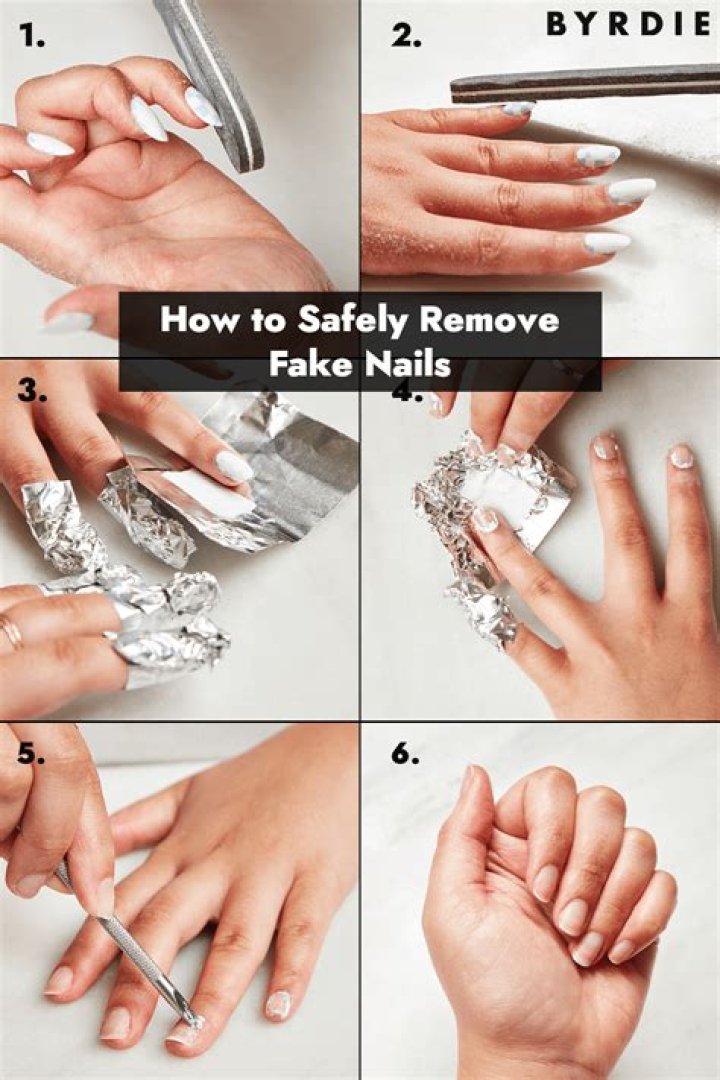
Removing fake nails doesn't have to be a daunting task, especially if you don't want to use acetone. Many people are looking for safe, gentle, and effective alternatives to remove fake nails without harsh chemicals. Whether you're avoiding acetone for health reasons or simply prefer a more natural approach, this guide will provide you with all the information you need.
Artificial nails, whether gel, acrylic, or dip powder, can enhance the appearance of your hands, but they eventually need to be removed. While acetone is a common solvent used for nail removal, it can be drying and irritating for some individuals. Fortunately, there are several methods to remove fake nails without acetone that are just as effective.
In this article, we will explore various techniques, tools, and tips to help you remove fake nails safely and efficiently. Whether you're a beginner or an experienced nail enthusiast, this guide will ensure you achieve professional results from the comfort of your home.
Understanding Why People Choose Acetone-Free Nail Removal
Why Avoid Acetone?
Acetone is a powerful solvent that effectively breaks down the adhesive used in fake nails. However, it can cause skin irritation, dryness, and even respiratory issues if used excessively or in poorly ventilated areas. Many people opt for acetone-free methods due to:
- Sensitivity to chemicals
- Desire for a more natural approach
- Pregnancy or health concerns
Understanding the Impact of Acetone-Free Removal
How Acetone-Free Methods Work
Acetone-free nail removal methods rely on alternative solvents, emollients, and physical techniques to break down the adhesive bonds holding fake nails in place. These methods are gentler on the nail bed and surrounding skin, making them ideal for individuals with sensitive skin or those who prefer natural beauty routines.
Tools You'll Need for Acetone-Free Nail Removal
Before you begin the removal process, gather the necessary tools to ensure a smooth and efficient experience. Here's a list of essentials:
- Nail file or buffer
- Cotton pads or balls
- Aluminum foil
- Oil-based products (e.g., cuticle oil, olive oil)
- Warm water and a bowl
- Nail clippers or cutters
Method 1: Soak Off Without Acetone
This method involves soaking your nails in a warm oil-based solution to soften the adhesive. Here's how you can do it:
- Fill a bowl with warm water and add a few drops of cuticle oil or olive oil.
- Soak your fingers in the solution for 10-15 minutes.
- Use a nail file to gently buff away the softened fake nails.
Advantages of Soaking
Soaking your nails in an oil-based solution helps to hydrate the nail bed and surrounding skin, reducing the risk of damage during the removal process. This method is particularly effective for gel nails that have been applied without a strong adhesive bond.
Method 2: Use Oil-Based Alternatives
Oil-based products such as cuticle oil, coconut oil, or almond oil can effectively dissolve the adhesive used in fake nails. Follow these steps:
- Apply a generous amount of oil to each nail.
- Cover your nails with aluminum foil to lock in the moisture.
- Let the oil sit for 15-20 minutes.
- Gently file or scrape off the fake nails using a buffer or cuticle pusher.
Types of Oils to Use
Choose oils that are rich in emollients and antioxidants to nourish your nails and cuticles during the removal process. Some popular options include:
- Coconut oil
- Almond oil
- Olive oil
- Jojoba oil
Method 3: Baking Soda and Lemon Juice
This natural remedy combines the exfoliating properties of baking soda with the acidic power of lemon juice to break down fake nails. Here's how to use it:
- Create a paste by mixing baking soda and lemon juice.
- Apply the paste to your nails and let it sit for 10-15 minutes.
- Rinse your nails with warm water and gently file away the fake nails.
Precautions When Using Lemon Juice
Lemon juice can be irritating to sensitive skin, so it's important to test it on a small area before applying it to your nails. Additionally, avoid exposing your skin to sunlight immediately after using lemon juice, as it can increase photosensitivity.
Method 4: Nail Polish Remover Without Acetone
Nail polish removers that do not contain acetone can still effectively dissolve the adhesive used in fake nails. Look for products that contain:
- Isopropyl alcohol
- Glycerin
- Water
Follow the manufacturer's instructions for best results, and always test the product on a small area first.
Benefits of Acetone-Free Nail Polish Removers
Acetone-free nail polish removers are less harsh on the nails and skin, making them a safer option for frequent use. They also have a milder scent, which is preferable for individuals with respiratory sensitivities.
Tips for a Smooth Removal Process
To ensure a successful and stress-free nail removal experience, consider the following tips:
- File down the fake nails before starting the removal process to reduce the amount of material you need to remove.
- Work in a well-ventilated area to avoid inhaling any fumes from the products you're using.
- Moisturize your hands and cuticles after removal to prevent dryness and cracking.
Common Questions About Acetone-Free Nail Removal
Q: Can I remove gel nails without acetone?
Yes, you can remove gel nails using oil-based products or by soaking them in warm water. The key is to soften the gel layer before filing it away.
Q: Is it safe to use lemon juice on my nails?
Lemon juice can be effective for breaking down adhesives, but it should be used with caution due to its potential to irritate sensitive skin. Always patch test before applying it to your nails.
Conclusion
Removing fake nails without acetone is not only possible but also a safer and more gentle option for many individuals. By following the methods outlined in this guide, you can achieve professional results at home without exposing yourself to harsh chemicals. Remember to moisturize your nails and cuticles after removal to maintain their health and appearance.
We encourage you to share your experiences and tips in the comments section below. If you found this article helpful, don't forget to share it with your friends and family. For more beauty tips and tutorials, explore our other articles on the website.