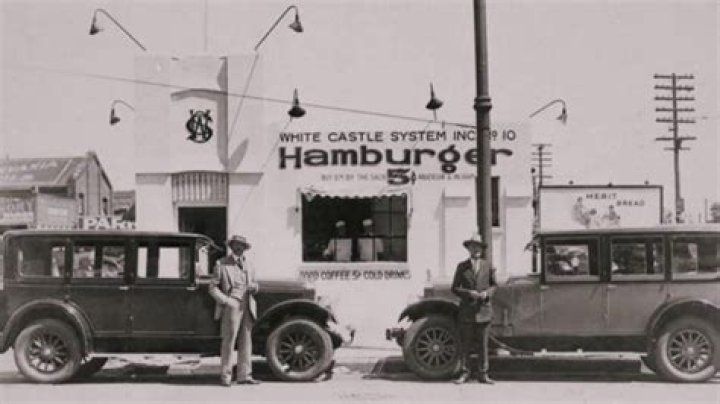
White Castle burgers have carved a significant niche in the culinary history of the United States. This iconic fast-food chain, known for its small, square sliders, has a fascinating backstory that dates back to the early 20th century. The story of White Castle is not just about burgers; it’s about innovation, entrepreneurship, and the birth of modern fast food culture.
Since its inception, White Castle has been a trailblazer in the fast-food industry. It introduced concepts such as assembly-line production, standardized food preparation, and a focus on cleanliness and quality that became the blueprint for countless other chains. Understanding the history of White Castle burgers is essential for anyone interested in the evolution of fast food as we know it today.
This article delves deep into the rich history of White Castle, exploring its origins, milestones, cultural impact, and the factors that contributed to its enduring success. Whether you're a food enthusiast, a history buff, or simply curious about the origins of one of America's favorite fast foods, this article will provide you with a comprehensive look at the legacy of White Castle.
Origins of White Castle Burgers
Birth of a Burger Empire
White Castle was founded in 1921 in Wichita, Kansas, by Billy Ingram and Walter Anderson. At the time, hamburgers were considered a questionable food choice due to concerns about hygiene and quality. Ingram and Anderson saw an opportunity to change this perception by emphasizing cleanliness, consistency, and affordability. Their vision laid the foundation for what would become America's first fast-food chain.
Anderson, a short-order cook, developed a unique method for cooking small, square burgers that could be cooked quickly and uniformly. Ingram, a skilled businessman, focused on marketing and branding. Together, they created a concept that revolutionized the fast-food industry.
Why White Castle Succeeded
The success of White Castle can be attributed to several key factors:
- **Standardization**: Every burger was cooked using the same method and ingredients, ensuring consistency.
- **Cleanliness**: The founders emphasized hygiene, which helped dispel public concerns about food safety.
- **Affordability**: White Castle burgers were priced low enough to appeal to a broad audience.
Innovations That Defined White Castle
Assembly-Line Production
White Castle was one of the first fast-food chains to implement assembly-line production techniques. This approach allowed for rapid preparation and service, setting a new standard for efficiency in the industry. The method involved dividing tasks among staff members, ensuring that each step of the process was optimized for speed and quality.
Focus on Quality
In addition to speed, White Castle prioritized the quality of its ingredients. The use of fresh beef, onions, and buns, along with precise cooking methods, helped establish the brand's reputation for delivering delicious, high-quality burgers. This focus on quality remains a cornerstone of the brand's identity.
Expansion and Growth of the Brand
From Wichita to Nationwide
After proving successful in Wichita, White Castle began expanding across the United States. By the late 1930s, the chain had established locations in major cities such as Chicago, Detroit, and New York. This expansion was driven by a combination of strategic planning and a commitment to maintaining the brand's core values.
Data from the National Restaurant Association highlights the rapid growth of fast-food chains during this period, with White Castle leading the charge. The chain's ability to adapt to changing consumer preferences while staying true to its roots played a crucial role in its continued success.
Challenges During Expansion
Despite its success, White Castle faced several challenges during its expansion phase. Competition from emerging fast-food chains, fluctuations in beef prices, and changing consumer tastes all posed threats to the brand's growth. However, White Castle's adaptability and innovation allowed it to overcome these obstacles and thrive.
Evolution of the Menu
Expanding Beyond Sliders
While sliders remain the centerpiece of White Castle's menu, the chain has introduced several new items over the years to cater to evolving customer preferences. These include items such as breakfast sandwiches, chicken tenders, and fish sandwiches. Each new addition is carefully tested to ensure it aligns with the brand's commitment to quality and taste.
Adapting to Modern Trends
In recent years, White Castle has embraced trends such as plant-based alternatives and customizable options. For example, the chain partnered with Impossible Foods to introduce a plant-based slider, appealing to health-conscious and environmentally aware consumers. This move reflects White Castle's ongoing commitment to innovation and staying relevant in a rapidly changing market.
Cultural Impact of White Castle
Pop Culture References
White Castle's influence extends beyond the world of fast food. The brand has been featured in numerous films, television shows, and books, cementing its place in American pop culture. Movies like "Harold & Kumar Go to White Castle" and TV shows such as "The Simpsons" have showcased the chain's iconic status, further enhancing its appeal to a global audience.
Community Engagement
White Castle is deeply involved in community initiatives, supporting local charities and events. This engagement helps strengthen the brand's connection with its customers and reinforces its reputation as a socially responsible company. By giving back to the communities it serves, White Castle continues to build trust and loyalty among its patrons.
Marketing Strategy and Branding
Building a Strong Brand Identity
White Castle's branding is characterized by its distinctive red-and-white castles, which evoke a sense of nostalgia and trust. The brand's slogan, "Buy 'em by the sack," emphasizes value and convenience, resonating with budget-conscious consumers. These elements, combined with consistent messaging across all platforms, have contributed to the brand's enduring success.
Utilizing Digital Marketing
In the digital age, White Castle has leveraged social media and online advertising to reach a broader audience. The brand's presence on platforms like Instagram, Twitter, and TikTok allows it to engage with younger demographics and showcase its playful, approachable personality. By embracing digital marketing, White Castle ensures it remains relevant in an increasingly interconnected world.
Challenges Faced by White Castle
Competition in the Fast Food Industry
White Castle operates in a highly competitive market, facing stiff competition from global giants like McDonald's, Burger King, and Wendy's. To maintain its edge, the brand focuses on differentiation through product quality, customer service, and unique offerings. This strategy has helped White Castle carve out a niche for itself in the crowded fast-food landscape.
Addressing Health Concerns
As consumers become more health-conscious, fast-food chains like White Castle must address concerns about nutrition and dietary preferences. By introducing healthier options and transparently sharing nutritional information, White Castle demonstrates its commitment to meeting the needs of its diverse customer base.
White Castle in the Modern Era
Technological Advancements
The modern era has brought significant technological advancements that have transformed the fast-food industry. White Castle has embraced these changes, implementing digital ordering systems, mobile apps, and contactless payment options to enhance the customer experience. These innovations align with the brand's history of pioneering new approaches to fast food.
Sustainability Initiatives
Environmental sustainability is a growing concern for consumers and businesses alike. White Castle has taken steps to reduce its carbon footprint by sourcing sustainable ingredients, reducing waste, and adopting eco-friendly practices. These efforts reflect the brand's dedication to corporate responsibility and long-term viability.
Future Directions for White Castle
Innovation and Expansion
Looking ahead, White Castle is poised for continued growth and innovation. The brand plans to expand its international presence, introduce new menu items, and explore emerging technologies to enhance the dining experience. By staying ahead of trends and maintaining its core values, White Castle is well-positioned to thrive in the years to come.
Embracing Changing Consumer Preferences
As consumer preferences evolve, White Castle remains committed to adapting its offerings to meet the needs of its customers. This includes expanding its plant-based options, enhancing its digital presence, and fostering deeper connections with local communities. By prioritizing innovation and customer satisfaction, White Castle ensures its legacy continues into the future.
Conclusion: The Enduring Legacy of White Castle
The history of White Castle burgers is a testament to the power of innovation, perseverance, and quality. From its humble beginnings in Wichita to its status as a global fast-food icon, White Castle has consistently demonstrated its ability to adapt and thrive in a rapidly changing industry. Its focus on cleanliness, consistency, and affordability has earned it a loyal following and a place in the hearts of millions.
As White Castle continues to evolve, it remains committed to delivering the same great taste and value that have made it a household name. Whether you're a long-time fan or a newcomer to the world of sliders, there's no denying the impact White Castle has had on the fast-food landscape.
We invite you to share your thoughts on White Castle's history and legacy in the comments below. For more fascinating insights into the world of fast food, be sure to explore our other articles. Thank you for reading, and we hope you'll continue to enjoy the delicious sliders that have made White Castle a true American classic!




