Hard cooked eggs are a versatile and nutritious food option, but understanding their shelf life is crucial to ensure safety and quality. Whether you're meal prepping or simply looking for a quick snack, knowing how long boiled eggs stay fresh can make a significant difference in your kitchen. This article dives deep into the science behind hard cooked egg shelf life, offering practical tips to extend freshness and avoid waste.
With busy lifestyles, meal planning has become a necessity for many. Hard boiled eggs are an excellent choice for those seeking convenience and nutrition. However, improper storage can lead to spoilage, posing health risks. Understanding the factors that affect the shelf life of hard cooked eggs is essential for maintaining their quality and safety.
This guide will explore everything you need to know about hard cooked egg shelf life, from proper storage techniques to recognizing signs of spoilage. By the end, you'll be equipped with the knowledge to confidently incorporate hard boiled eggs into your diet without compromising freshness or safety.
Hard Cooked Egg Shelf Life Overview
The shelf life of hard cooked eggs is a critical consideration for anyone looking to incorporate them into their diet. According to the USDA, properly stored hard boiled eggs can last up to one week in the refrigerator. However, this duration can vary based on factors such as storage conditions, egg quality, and handling practices.
When eggs are boiled, the protective coating on their shells is compromised, making them more susceptible to contamination. This is why it's essential to store them in a clean environment and handle them with care. By following best practices, you can maximize the freshness and safety of your hard cooked eggs.
Factors Influencing Shelf Life
Several factors influence the shelf life of hard cooked eggs, including:
- Storage temperature: Keeping eggs at a consistent temperature below 40°F (4°C) is vital for preserving freshness.
- Humidity levels: High humidity can promote bacterial growth, reducing the shelf life of eggs.
- Shell condition: Cracked or damaged shells increase the risk of contamination.
Proper Storage Tips for Hard Cooked Eggs
Proper storage is key to extending the shelf life of hard cooked eggs. Here are some practical tips to ensure your boiled eggs remain fresh and safe:
Refrigeration Techniques
Refrigeration is the most effective way to preserve hard cooked eggs. Place them in the main compartment of your refrigerator, avoiding the door where temperatures can fluctuate. Use an airtight container to prevent odors from affecting the eggs.
Labeling and Organization
Labeling your eggs with the date they were boiled can help you keep track of their freshness. Organize your refrigerator to ensure older eggs are used first, reducing the risk of spoilage.
Biological Factors Affecting Shelf Life
Understanding the biological processes that affect hard cooked egg shelf life can help you make informed decisions about storage and consumption. Eggs naturally contain enzymes and microorganisms that can break down proteins and fats over time, leading to spoilage.
Enzymatic Activity
Enzymes in eggs, such as lysozyme, play a role in breaking down cell walls, which can contribute to spoilage. While these enzymes are present in raw eggs, the boiling process denatures some of them, slowing down degradation.
The Role of Temperature in Egg Storage
Temperature is one of the most significant factors affecting the shelf life of hard cooked eggs. Bacteria thrive in warm environments, so keeping eggs cool is essential for maintaining their quality.
Ideal Storage Temperature
The ideal storage temperature for hard cooked eggs is between 35°F and 40°F (1.7°C to 4°C). This range inhibits bacterial growth and slows down enzymatic activity, extending the shelf life of the eggs.
Signs of Spoilage in Hard Cooked Eggs
Recognizing signs of spoilage is crucial for ensuring the safety of your hard cooked eggs. Spoiled eggs can pose serious health risks, so it's important to inspect them before consumption.
Visual Indicators
Look for visible signs of spoilage, such as cracks, discoloration, or unusual textures. A slimy film on the shell or a foul odor are clear indicators that the egg has spoiled and should be discarded.
Smell Test
Perform a smell test by cracking the egg open and checking for any off-putting odors. A sulfuric or sour smell is a telltale sign of spoilage.
Nutritional Benefits of Hard Cooked Eggs
Hard cooked eggs are not only delicious but also highly nutritious. They are an excellent source of protein, vitamins, and minerals, making them a valuable addition to any diet.
Key Nutrients
Hard boiled eggs are rich in:
- Protein: Essential for muscle growth and repair.
- Vitamin D: Supports bone health and immune function.
- Choline: Important for brain health and development.
Comparison with Other Egg Preparations
While hard cooked eggs are a popular choice, they differ from other egg preparations in terms of shelf life and nutritional content. Understanding these differences can help you make the best choice for your needs.
Fried vs. Boiled Eggs
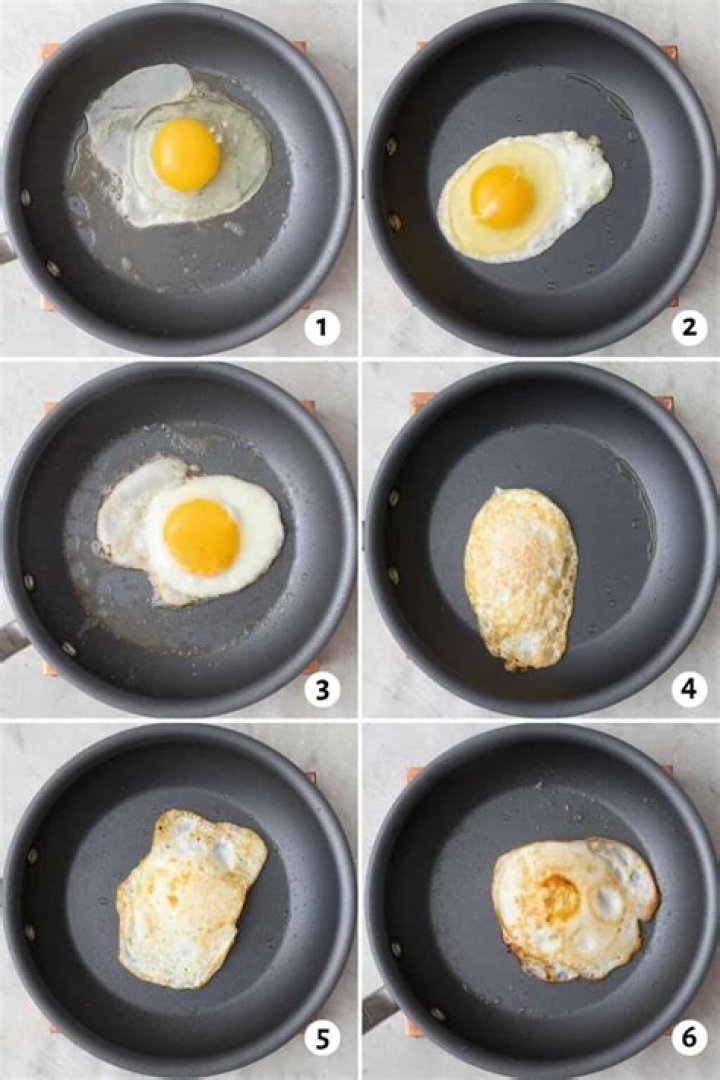
Fried eggs have a shorter shelf life compared to hard boiled eggs due to the added fat and cooking method. Boiled eggs are better suited for long-term storage and can be easily incorporated into meals.
Delicious Recipes Using Hard Cooked Eggs
Hard cooked eggs can be used in a variety of dishes, from classic egg salad to gourmet appetizers. Here are a few recipes to inspire your cooking:
Egg Salad Sandwich
Create a simple yet satisfying egg salad sandwich by mixing chopped hard boiled eggs with mayonnaise, mustard, and diced celery. Serve on whole grain bread for a nutritious meal.
Nicoise Salad
Incorporate hard boiled eggs into a refreshing Nicoise salad featuring fresh greens, tuna, and cherry tomatoes. This dish is perfect for a light lunch or dinner.
Frequently Asked Questions
Here are some common questions about hard cooked egg shelf life:
How long do hard boiled eggs last in the fridge?
Hard boiled eggs can last up to one week in the refrigerator when stored properly.
Can I freeze hard boiled eggs?
While you can freeze hard boiled eggs, the texture may change upon thawing. It's generally better to store them in the refrigerator for optimal quality.
Conclusion
Understanding the shelf life of hard cooked eggs is essential for maintaining their freshness and safety. By following proper storage techniques and recognizing signs of spoilage, you can enjoy this nutritious food option with confidence.
We encourage you to share your experiences and tips in the comments below. For more informative articles on food safety and nutrition, explore our other content on the site. Together, let's make informed choices for a healthier lifestyle!
Data sources: USDA, FDA, and nutrition experts.




