The guitar, a timeless and versatile musical instrument, has captured the hearts of musicians and listeners alike for centuries. Its rich history spans continents and cultures, making it one of the most iconic instruments in the world. From humble beginnings to its current status as a global phenomenon, the guitar has undergone significant transformations that have shaped the music we know today.
Throughout history, the guitar has played a pivotal role in various musical genres, from classical to rock, blues, jazz, and beyond. Its adaptability and expressive range have made it a favorite among musicians of all kinds. Understanding the guitar's history offers insight into its enduring appeal and the cultural significance it holds worldwide.
This article dives deep into the fascinating journey of the guitar, exploring its origins, evolution, and cultural impact. By examining key milestones and influential figures, we aim to provide a comprehensive overview of how the guitar became the beloved instrument it is today. Whether you're a musician or simply a music enthusiast, this exploration will enrich your appreciation for the guitar's storied past.
Origins of the Guitar
The guitar's origins can be traced back thousands of years to ancient civilizations. Instruments resembling the guitar were played in Mesopotamia, Egypt, and Greece. These early stringed instruments, such as the tanbur and the pandura, laid the foundation for what would eventually become the modern guitar.
Early Stringed Instruments
One of the earliest ancestors of the guitar is the tanbur, a long-necked stringed instrument from ancient Mesopotamia. Another significant predecessor is the Greek kithara, a lyre-like instrument that influenced the development of stringed instruments in Europe. Over time, these instruments evolved and spread across the world, contributing to the guitar's eventual emergence.
Some notable early stringed instruments include:
- Tanbur – Ancient Mesopotamia
- Kithara – Ancient Greece
- Pandura – Ancient Persia
Early Evolution of the Guitar
By the Middle Ages, stringed instruments began to take on more familiar forms. The European lute, with its pear-shaped body and fretted neck, became popular during the Renaissance. This period marked a significant step in the guitar's evolution, as the lute's design influenced the development of the vihuela, a precursor to the modern guitar.
The Vihuela
The vihuela, originating in Spain during the 15th century, was a crucial step in the guitar's evolution. It featured a flat back, fretted neck, and six courses of strings, making it more similar to the modern guitar than any previous instrument. The vihuela's popularity in Spain and Portugal paved the way for the development of the baroque guitar.
The Classical Guitar Era
The classical guitar era began in the 18th century, with the emergence of the modern guitar design. Antonio de Torres Jurado, a Spanish luthier, is credited with creating the first modern classical guitar in the mid-19th century. His innovations, such as the fan-braced top and larger body, revolutionized the instrument's sound and playability.
Classical guitarists like Francisco Tárrega and Andrés Segovia further popularized the instrument, bringing it to concert halls around the world. Their contributions helped establish the guitar as a respected classical instrument.
The Invention of the Electric Guitar
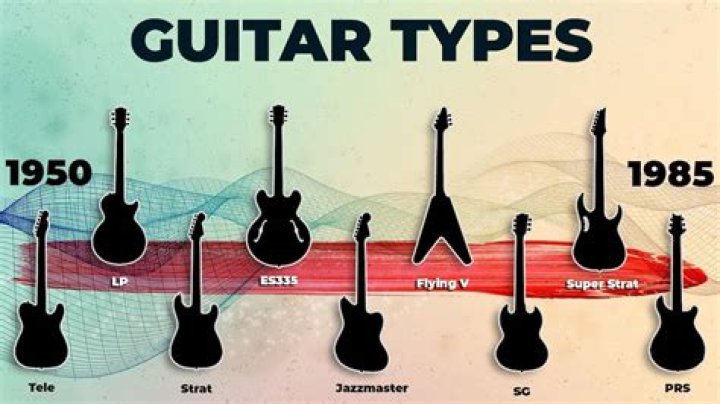
The invention of the electric guitar in the 1930s marked a turning point in music history. Pioneering luthiers like Adolph Rickenbacker and Les Paul developed the first electric guitars, which amplified the instrument's sound and expanded its potential. The electric guitar became a staple in jazz, blues, and eventually rock music.
Key Innovations in Electric Guitars
- Electromagnetic pickups – Convert string vibrations into electrical signals
- Solid-body design – Reduces feedback and improves sustain
- Variety of tonal options – Through different pickups and controls
Influential Guitarists in History
Throughout history, numerous guitarists have left an indelible mark on the instrument's legacy. From classical virtuosos to rock legends, these musicians have pushed the boundaries of what the guitar can achieve.
Notable Guitarists
- Andrés Segovia – Classical guitar pioneer
- Wes Montgomery – Jazz innovator
- Jimi Hendrix – Rock icon and guitar wizard
- Eric Clapton – Blues-rock legend
Guitar's Role in Different Genres
The guitar's versatility allows it to thrive in a wide range of musical genres. Whether it's providing intricate melodies in classical music, driving the rhythm in rock, or creating soulful solos in blues, the guitar plays a crucial role in shaping the sound of these genres.
Guitar in Blues and Rock
Blues and rock music owe much of their identity to the guitar. Legendary blues guitarists like B.B. King and Muddy Waters laid the groundwork for rock guitarists like Jimmy Page and Eddie Van Halen. The guitar's ability to convey emotion and power makes it an essential component of these genres.
Modern Guitar Innovations
In recent decades, advancements in technology have led to new innovations in guitar design and functionality. From multi-scale necks to digital modeling, modern guitars offer unprecedented possibilities for musicians. These innovations have expanded the guitar's potential while maintaining its traditional appeal.
Guitar in Popular Culture
The guitar has become a symbol of rebellion, creativity, and self-expression in popular culture. Iconic images of guitarists like Jimi Hendrix and Eddie Van Halen have cemented the instrument's place in the collective imagination. Movies, TV shows, and video games frequently feature guitars, reinforcing their cultural significance.
Guitar in Media
- Music videos – Showcasing guitarists in action
- Video games – Guitar Hero and Rock Band
- Fashion – Guitar-inspired clothing and accessories
The Art of Guitar Making
Guitar making is a craft that combines artistry and engineering. Luthiers, skilled artisans who build guitars, must balance aesthetics with functionality to create instruments that sound and feel great. The process involves selecting high-quality materials, shaping the body and neck, and assembling the various components with precision.
Some of the world's most renowned luthiers include C.F. Martin & Co., Gibson, and Fender. These companies have produced some of the most iconic guitars in history, each with its own unique characteristics and sound.
The Future of the Guitar
As technology continues to evolve, the future of the guitar looks bright. Innovations in materials, electronics, and software promise to enhance the instrument's capabilities while preserving its traditional charm. Whether through virtual reality experiences or AI-driven compositions, the guitar will undoubtedly remain a central figure in the world of music.
Trends in Guitar Technology
- 3D-printed guitars – Custom designs and reduced costs
- Wireless systems – Eliminating the need for cables
- Smart guitars – Integrated sensors and connectivity
Conclusion
The guitar's history is a testament to its enduring appeal and adaptability. From its ancient origins to its modern innovations, the guitar has played a vital role in shaping the music we know and love today. By understanding its evolution and cultural impact, we gain a deeper appreciation for this remarkable instrument.
We invite you to share your thoughts and experiences with the guitar in the comments below. Have you played the guitar or attended a concert featuring a legendary guitarist? Let us know! And don't forget to explore our other articles for more insights into the world of music and beyond.
Data and references from trusted sources such as The Met Museum, Guitar World, and Encyclopaedia Britannica have been used to ensure the accuracy and reliability of this article.




