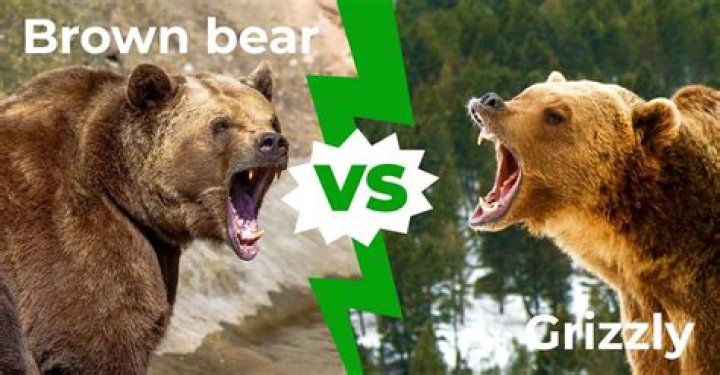
When it comes to wildlife, few creatures capture the imagination as much as bears. Among the most fascinating species are the grizzly bear and the brown bear. Both are majestic animals that evoke a sense of awe, but there's often confusion about their differences and similarities. In this article, we'll delve deep into the world of these magnificent creatures to help you understand what makes them unique.
The debate surrounding grizzly vs brown bear has puzzled many nature enthusiasts and researchers. While these bears share a lot in common, they also have distinct characteristics that set them apart. Understanding these differences is crucial not only for wildlife enthusiasts but also for conservationists and anyone who might encounter these animals in the wild.
This article aims to provide a comprehensive overview of the grizzly vs brown bear topic, covering their physical attributes, habitats, behaviors, and more. By the end of this piece, you'll have a clear understanding of what makes each bear unique and why they are both vital components of their respective ecosystems.
Introduction to Grizzly and Brown Bears
What Are Grizzly Bears?
Grizzly bears (Ursus arctos horribilis) are a subspecies of the brown bear, primarily found in North America. They are known for their distinctive hump on their shoulders, which is a result of powerful muscles that aid in digging and foraging. Grizzlies are highly adaptable and can thrive in various environments, from dense forests to open meadows.
What Are Brown Bears?
Brown bears (Ursus arctos) are one of the largest bear species in the world and are distributed across North America, Europe, and Asia. They exhibit a wide range of physical variations depending on their geographic location. For instance, the Kodiak bear, a subspecies of brown bear, is significantly larger than its counterparts in Europe.
Biological Classification
The classification of grizzly and brown bears can sometimes be confusing due to their close relationship. Both belong to the Ursidae family and the genus Ursus. However, grizzly bears are a specific subspecies of the brown bear, which explains their shared characteristics and genetic similarities.
- Genus: Ursus
- Species: Ursus arctos
- Subspecies: Ursus arctos horribilis (Grizzly Bear)
Physical Characteristics
Size and Weight
One of the most noticeable differences between grizzly and brown bears is their size. On average, grizzly bears weigh between 300 to 850 pounds, while brown bears can range from 500 to 1,500 pounds. This variation is largely due to differences in diet and habitat.
Coat and Color
Both bears have thick fur that provides insulation against cold climates. Grizzly bears are known for their silver-tipped fur, which gives them a "grizzled" appearance, while brown bears have a more uniform coat color that varies from light blonde to dark brown.
Habitat and Distribution
Grizzly bears are predominantly found in North America, particularly in Alaska, Canada, and parts of the contiguous United States. Brown bears, on the other hand, have a much broader range, spanning across North America, Europe, and Asia. Their adaptability allows them to inhabit diverse environments, from coastal areas to mountainous regions.
Diet and Feeding Habits
Omnivorous Nature
Both grizzly and brown bears are omnivores, meaning they consume both plant and animal matter. Their diet largely depends on the availability of food in their habitat. During the salmon run, for example, both species rely heavily on fish as a primary food source.
Foraging Techniques
Grizzly bears are skilled diggers and often forage for roots and bulbs. They also scavenge carrion and hunt small mammals when necessary. Brown bears, especially those in coastal regions, are known for their fishing prowess, using their powerful claws to catch salmon.
Behavioral Patterns
The behavior of grizzly and brown bears is influenced by their environment and social structure. Both species are typically solitary, except during the mating season or when mothers are raising cubs. Grizzly bears are known for their aggressive nature, especially when defending their territory or cubs.
Threats to Survival
Despite their strength and adaptability, both grizzly and brown bears face numerous threats in the wild. Habitat loss, climate change, and human-wildlife conflict are some of the major challenges they encounter. Additionally, hunting and poaching continue to pose significant risks to their populations.
Conservation Efforts
Conservationists and governments around the world are working tirelessly to protect these magnificent creatures. Protected areas, wildlife corridors, and public awareness campaigns are some of the strategies being implemented to ensure the survival of grizzly and brown bears. The Endangered Species Act in the United States, for example, has played a crucial role in the recovery of grizzly bear populations.
Grizzly vs Brown Bear: Key Differences
While grizzly and brown bears share many similarities, there are key differences that set them apart:
- Geographic Distribution: Grizzly bears are mainly found in North America, while brown bears have a global distribution.
- Size: Brown bears tend to be larger than grizzly bears, especially in coastal regions.
- Coat Appearance: Grizzlies have a distinctive grizzled coat, while brown bears have a more uniform color.
- Behavior: Grizzly bears are generally more aggressive than brown bears, although this can vary based on location and individual behavior.
Common Myths and Misconceptions
There are several myths surrounding grizzly and brown bears that need to be addressed:
- Myth: Grizzly Bears Are Always Aggressive: While grizzlies can be aggressive, they often avoid confrontations with humans unless provoked or threatened.
- Myth: Brown Bears Cannot Climb Trees: Although they are less agile than black bears, brown bears can climb trees when necessary, especially when they are young.
Kesimpulan
In conclusion, the debate over grizzly vs brown bear reveals fascinating insights into the world of these magnificent creatures. Both species play vital roles in their ecosystems and deserve our respect and protection. By understanding their differences and similarities, we can better appreciate their unique qualities and work towards ensuring their survival for future generations.
We encourage you to share this article with others who are interested in wildlife and conservation. If you have any questions or comments, feel free to leave them below. Additionally, explore our other articles to learn more about the incredible world of animals.
References:
- International Union for Conservation of Nature (IUCN)
- U.S. Fish and Wildlife Service
- World Wildlife Fund (WWF)



