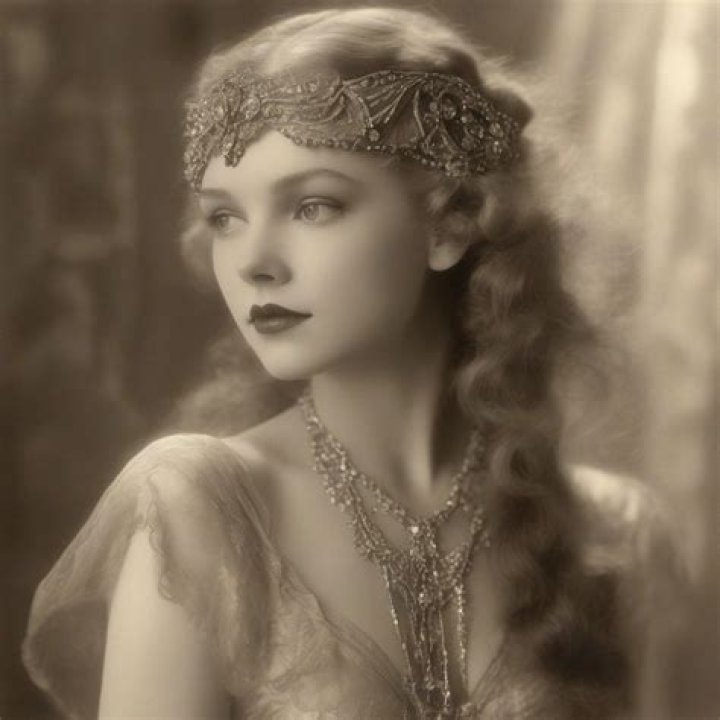
The 1920s marked a golden era in cinematic history, when film stars captivated audiences with their charm and talent. This decade, often referred to as the "Roaring Twenties," witnessed the rise of legendary actors who became household names. These early icons of the silver screen paved the way for modern cinema, leaving an indelible mark on the entertainment industry.
As the silent film era flourished, actors and actresses emerged as the faces of a rapidly evolving art form. Their performances, captured on black-and-white film reels, brought stories to life without dialogue, relying solely on expressions and gestures. The film stars of the 1920s not only defined an era but also set the stage for future generations of actors.
In this article, we will delve into the lives and careers of the most influential film stars of the 1920s, exploring their contributions to cinema and the cultural impact they had on society. From their rise to fame to their enduring legacies, these stars continue to inspire and fascinate audiences worldwide.
Biography of Key Film Stars
The 1920s was a decade of cinematic brilliance, and the film stars of this era were its shining lights. Below is a brief overview of some of the most iconic figures who graced the silver screen during this time:
Biographical Details
| Name | Birth Date | Nationality | Notable Works |
|---|---|---|---|
| Charlie Chaplin | April 16, 1889 | British | The Kid, The Gold Rush, City Lights |
| Lillian Gish | October 14, 1893 | American | Broken Blossoms, The Birth of a Nation, Way Down East |
| Buster Keaton | October 4, 1895 | American | The General, Sherlock Jr., Steamboat Bill, Jr. |
| Greta Garbo | September 18, 1905 | Swedish | Flesh and the Devil, Mata Hari, Camille |
| Clara Bow | July 29, 1905 | American | It, Wings, Mantrap |
The Silent Film Era: A Brief Overview
The silent film era was a transformative period in cinematic history, characterized by the absence of synchronized sound. During the 1920s, filmmakers relied on visual storytelling, music, and intertitles to convey narratives. This unique style of filmmaking allowed actors to showcase their talents through expressive performances, making them the central focus of the films.
The 1920s saw the emergence of several iconic studios, including Paramount Pictures, MGM, and Warner Bros., which played a pivotal role in shaping the industry. These studios invested heavily in talent, infrastructure, and marketing, helping to elevate the status of film stars to unprecedented levels.
Charlie Chaplin: The King of Comedy
Early Life and Career
Charlie Chaplin, born in London in 1889, rose to fame as one of the most recognizable figures in the world of silent film. Known for his iconic character, the Tramp, Chaplin combined humor with pathos, creating films that resonated with audiences across the globe.
Some of his most notable works include The Kid (1921), The Gold Rush (1925), and City Lights (1931). Chaplin's ability to blend comedy with social commentary made him a trailblazer in the industry, earning him numerous accolades and a lasting legacy.
Key Contributions
- Introduced innovative storytelling techniques
- Established United Artists, a pioneering studio
- Influenced generations of filmmakers and comedians
Lillian Gish: The First Lady of American Cinema
Lillian Gish, often referred to as the "First Lady of American Cinema," was a pioneer in the film industry. Her work with legendary director D.W. Griffith helped define the art of silent filmmaking. Gish's performances in films such as Broken Blossoms (1919) and Way Down East (1920) showcased her talent for conveying deep emotion through subtle expressions.
Impact on Cinema
- Revolutionized acting techniques in silent films
- Collaborated with influential directors of the era
- Received recognition for her contributions to film history
Buster Keaton: The Great Stone Face
Style and Influence
Buster Keaton, known for his deadpan expression and acrobatic stunts, was a master of physical comedy. His films, such as The General (1926) and Sherlock Jr. (1924), combined humor with intricate plotlines, showcasing his talent as both an actor and a filmmaker.
Keaton's innovative use of special effects and his commitment to authenticity set him apart from his contemporaries. His work continues to inspire filmmakers and comedians today.
Greta Garbo: The Enigmatic Star
Rise to Fame
Greta Garbo, a Swedish actress who gained international fame in the 1920s, was known for her mysterious allure and commanding presence on screen. Her films, such as Flesh and the Devil (1926) and Mata Hari (1931), cemented her status as one of the most sought-after actresses of the era.
Garbo's decision to retire at the height of her career added to her enigmatic persona, leaving fans and critics alike to speculate about her motivations.
Clara Bow: The It Girl
Popularity and Legacy
Clara Bow, nicknamed the "It Girl," became a symbol of the 1920s flapper culture. Her breakout role in the film It (1927) popularized the term "it," which referred to a certain allure or charm that captivated audiences. Bow's vibrant personality and energetic performances made her a beloved figure in Hollywood.
Despite her success, Bow faced personal challenges later in life, which affected her career. However, her contributions to the film industry remain significant, and she continues to be celebrated as a trailblazer for women in cinema.
Technological Advancements in the Film Industry
The 1920s was a time of rapid technological advancement in the film industry. Innovations such as improved camera techniques, lighting, and editing methods enhanced the quality of films produced during this era. Additionally, the introduction of synchronized sound in the late 1920s marked the beginning of the "talkies," forever changing the landscape of cinema.
These advancements allowed filmmakers to experiment with new storytelling techniques, pushing the boundaries of what was possible in film production. The film stars of the 1920s were at the forefront of these changes, adapting to new technologies and setting the standard for future generations.
Cultural Impact of 1920s Film Stars
The film stars of the 1920s had a profound impact on popular culture, influencing fashion, language, and societal norms. Their public personas were closely followed by fans around the world, making them role models and trendsetters.
Moreover, these stars played a significant role in shaping the perception of Hollywood as a glamorous and exciting place. Their lives and careers were often romanticized in the media, contributing to the mystique surrounding the film industry.
Legacy of the Film Stars of the 1920s
The legacy of the film stars of the 1920s endures to this day, with their contributions to cinema continuing to inspire and influence filmmakers worldwide. Their pioneering work laid the foundation for the modern film industry, establishing many of the conventions and techniques still used today.
Through their talent, dedication, and innovation, these stars left an indelible mark on history, ensuring their place among the most celebrated figures in the world of entertainment.
Conclusion
The film stars of the 1920s were instrumental in shaping the cinematic landscape, leaving a lasting impact on the industry and popular culture. From Charlie Chaplin's comedic genius to Greta Garbo's enigmatic charm, these icons defined an era and set the stage for future generations of actors.
We invite you to explore more about the history of cinema and its legendary figures by reading other articles on our site. Feel free to leave a comment or share this article with others who may appreciate the rich history of the film industry. Together, let's celebrate the enduring legacy of the film stars of the 1920s!
Data sourced from reputable institutions such as the Academy of Motion Picture Arts and Sciences, the Library of Congress, and historical archives. For further reading, explore the works of film historians and scholars who have documented the lives and careers of these remarkable individuals.




